Vancouver's Halloween Spiders: Local Draw with Specificity
Early holiday decorations in a Vancouver plaza highlight how targeted events can drive consumer engagement, contrasting with broader, less focused marketing efforts.
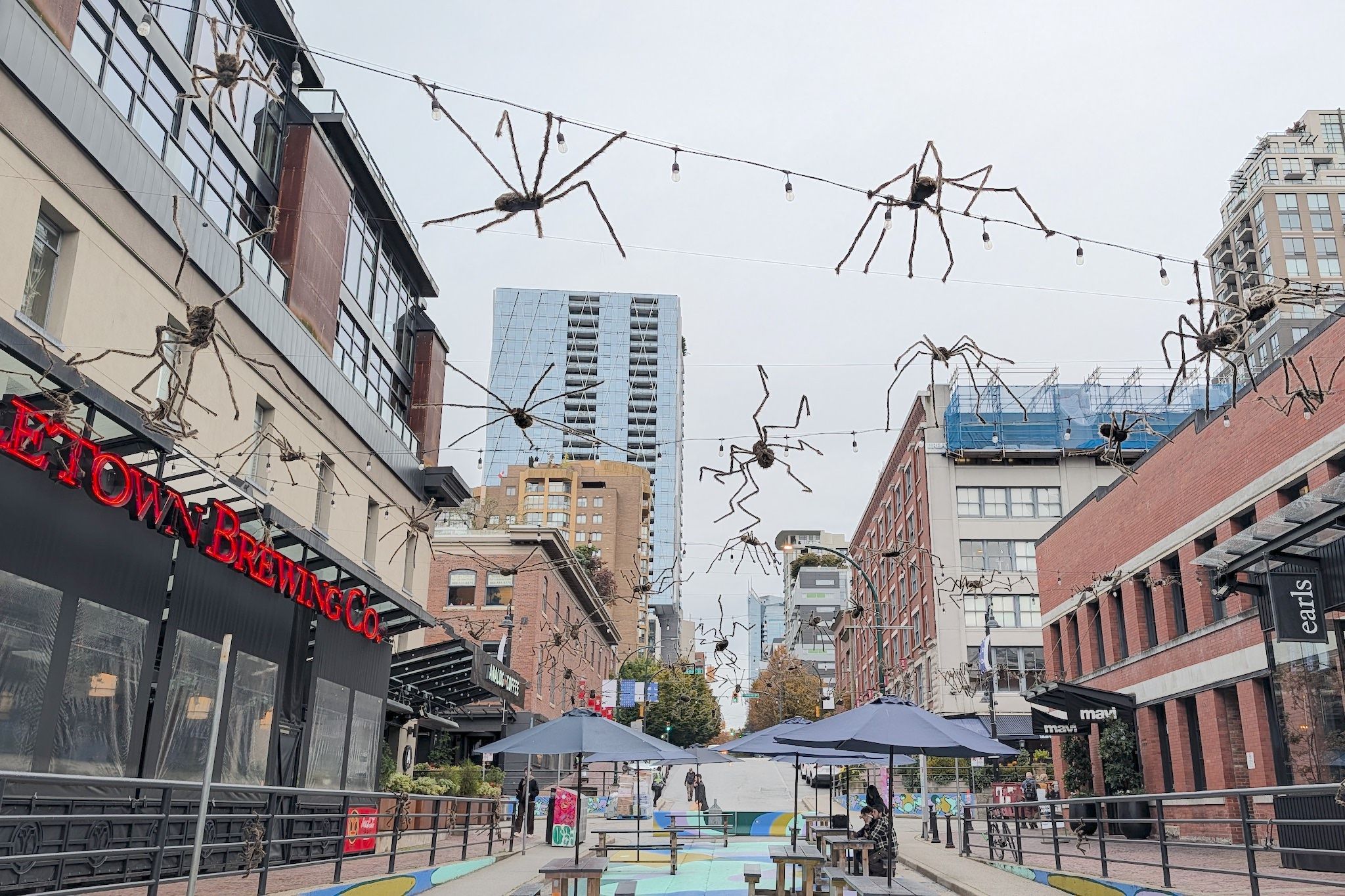
Halloween decorations appeared in Vancouver's Helmcken Plaza over a month ahead of the holiday. By October 1, 2026, giant spiders were installed, according to Daily Hive Vancouver's report on October 3, 2026, suspended above the public space. This early, specific deployment of seasonal decor aims to generate local interest for businesses; it functions as a deliberate, visible attraction.
Such targeted activations differ from the generalized marketing often adopted by broader regional tourism or trade bodies. While the spiders are a localized event, their specific timing and scale reflect an approach to consumer engagement. The Daily Hive Vancouver account indicates the decorations create a tangible reason for people to visit and remain in the district's public spaces.
For businesses in Thailand and across the Asia-Pacific, this Vancouver example illuminates the potential impact of event-specific, localized investment. Instead of general campaigns promoting a city or district, a concrete, unusual attraction like early Halloween decorations can draw immediate attention. This strategy moves beyond mere promotion, directly contributing to foot traffic and potentially sales for local establishments. The action of installing the decorations appears to prioritize direct engagement.
The challenge for organizations in Southeast Asia involves identifying similarly distinct, cost-effective interventions that resonate locally. Many regional business associations or government-affiliated bodies frequently focus on wide-ranging initiatives, such as promoting cultural heritage or general tourism. While these have their place, their return on investment can be diffuse. A giant spider installation in a public plaza, by comparison, provides a specific, measurable attraction.
However, the effectiveness of such displays maintains certain limits. The initial novelty might diminish over time, requiring constant innovation to sustain public interest. There is also the question of whether such a localized initiative can genuinely scale or influence broader economic trends beyond a particular district. For example, the Yaletown spiders attract attention to Helmcken Plaza; they do not inherently boost Vancouver's overall tourism figures or change long-term consumer spending habits across the city. Their impact remains confined to a specific geographic and temporal window.
Through the installation of these decorations, a precise, timely, and even unusual spectacle created an immediate draw. This approach prioritizes specific engagement over broad appeals, offering a model for localized economic stimulation in urban centers throughout the Asia-Pacific.
Sources
Newsletter
Pacific Daily
A curated briefing from Thailand, Asia-Pacific and the world.