Vancouver's Pool Delay: A Missed Signal for Asia-Pacific Urban Planners
City's maintenance deferral at Britannia Pool highlights a common oversight in infrastructure planning, with implications for regional hospitality.
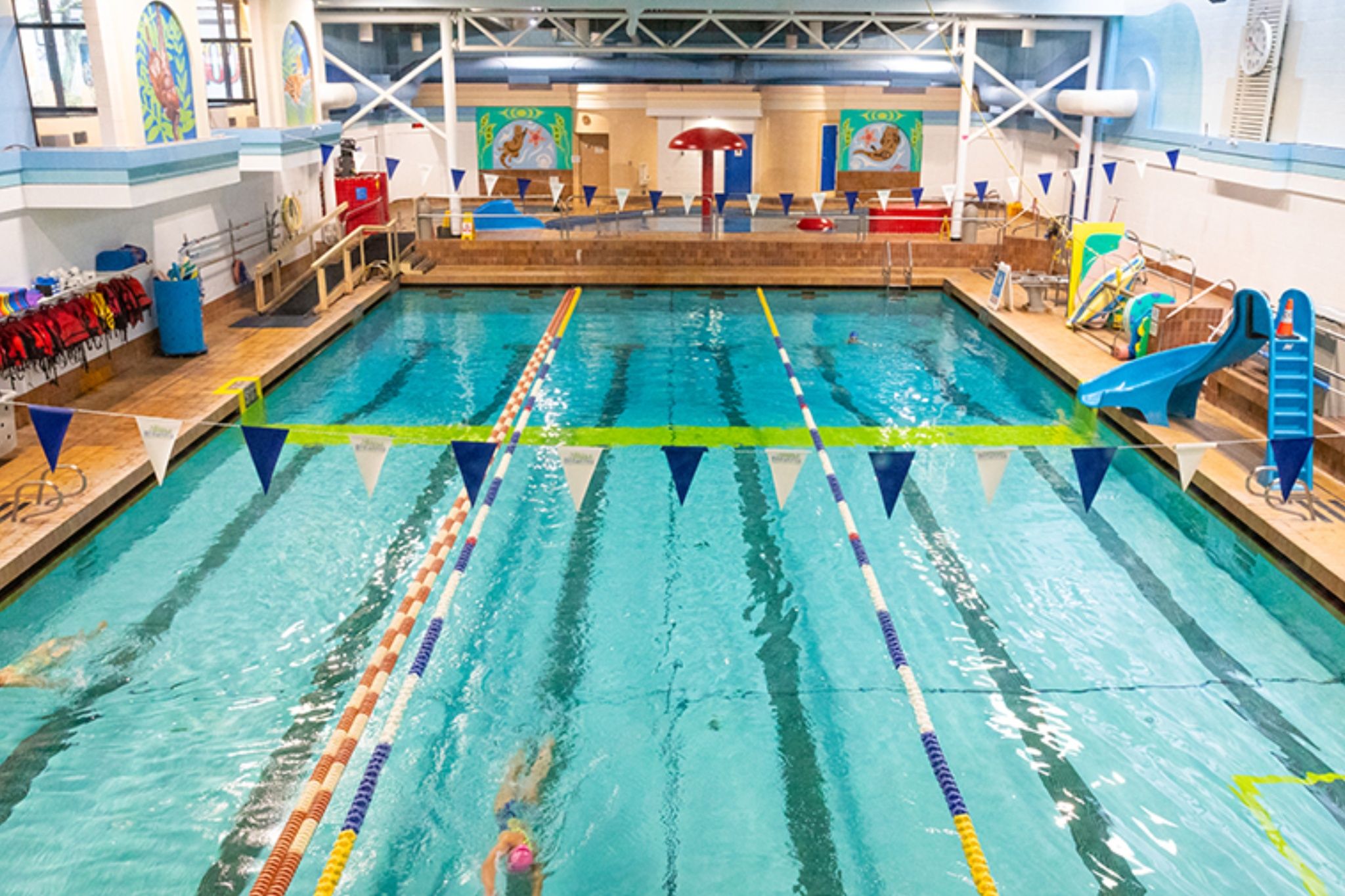
The City of Vancouver’s decision to delay critical maintenance work at Britannia Pool from November to mid-January 2027 offers a clear signal about public infrastructure management. While the stated aim is to accommodate local clubs and swimmers, the deferral of upgrades to mechanical, electrical, plumbing, pool, and building systems suggests a reactive approach to essential upkeep, rather than proactive, integrated planning. This pattern, visible in the West, carries implications for rapid urbanization across the Asia-Pacific.
Britannia Pool, described as one of Vancouver's busiest and most popular, will temporarily close for these necessary system upgrades. The initial timeline for work, set for November, was shifted, according to the City of Vancouver in an email to Daily Hive Urbanized, to allow clubs to complete their season. The scope and schedule remain subject to approvals, indicating a degree of ongoing fluidity in the planning of this significant public asset.
The incentive behind such a delay is clear: minimizing immediate disruption and appeasing current users. However, the long-term cost-benefit calculation of deferring essential maintenance is often negative. Postponing upgrades on critical systems typically results in higher eventual costs and potentially longer downtime. This is not a unique Vancouver phenomenon but a recurring challenge for municipalities managing aging infrastructure while trying to meet immediate public demand. The Fairmont Pacific Rim, a different Vancouver landmark, has received specific attention for its facilities, underscoring the distinction between maintained private and public assets in the same city.
For cities in the Asia-Pacific, where urban expansion and infrastructure development are often aggressive, the Vancouver situation serves as a cautionary tale. Rapid construction of new facilities often overshadows the less visible, yet critical, planning for ongoing maintenance and lifecycle costs. Neglecting these aspects can lead to unexpected closures, disruption of services, and increased financial burdens down the line. While the immediate objective of keeping a pool open for a few extra months might seem pragmatic, it represents a wider trend of prioritizing short-term operational continuity over robust, preventative capital planning.
The primary beneficiaries of the delay are the local clubs and swimmers gaining extended access, at least until mid-January 2027. The payers, however, are ultimately the Vancouver taxpayers, who will bear the costs of maintenance that may be exacerbated by delay, and potentially the users facing extended future closures due to compounded issues. The counterargument, that adapting maintenance schedules to user needs demonstrates responsiveness, holds weight. However, true responsiveness would ideally stem from a maintenance schedule robust enough to be flexible without deferring 'critical' upgrades. The outcome now depends on whether the finalized scope and schedule can mitigate the risks typically associated with delayed essential works, and how transparently the actual costs of this deferral will be communicated.
This instance in Vancouver underscores a persistent tension in urban management: balancing immediate public utility against the disciplined, long-term stewardship of public assets. Without robust maintenance strategies integrated from inception, cities risk perpetual cycles of reactive fixes and escalating costs, a lesson that Asia-Pacific urban developers should integrate into their growth models.
Sources
Newsletter
Pacific Daily
A curated briefing from Thailand, Asia-Pacific and the world.