Vancouver's Rent Plateau: A Reassessment of Persistent Demand Narratives
A reported pause in Greater Vancouver's rental market challenges assumptions about its desirability and underlying migration patterns from the Asia-Pacific.
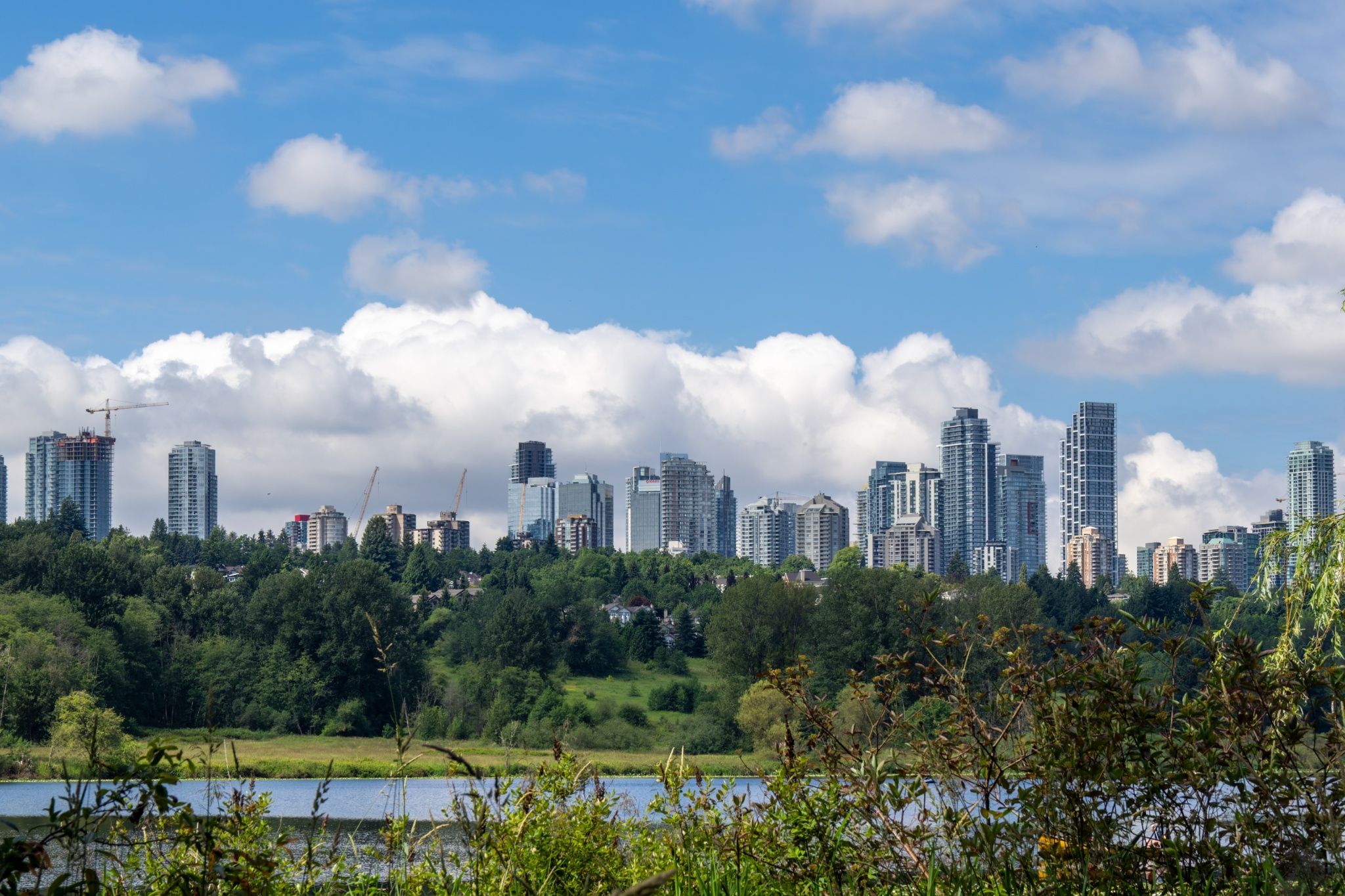
Greater Vancouver’s rental market exhibited a flattening trend in August, according to Zumper’s latest report. This follows what Zumper described as June’s brief seasonal rise and July’s stall, with the market reaching a plateau as “the last of the summer leasing momentum” faded away. Zumper further stated that the market is currently favorable for renters, citing cheaper rents in most tracked markets across Canada.
This reported stabilization in Vancouver’s rental landscape introduces a tension. For years, the city has been characterized as a recipient of significant capital and population inflows, particularly from the Asia-Pacific region. This narrative has often been described with terms reflecting perceived unwavering demand, fueled in part by international migration and investment. The continued focus on Vancouver as a hub for global events, such as the 2026 World Cup, as noted by The New York Times, further reinforces the city's image as a high-demand destination. Yet, the Zumper data suggests a departure from continuous ascent in rental pricing.
The premise that Vancouver's desirability, and by extension its property values, are immune to market fluctuations due to constant external pressures is now challenged by these figures. The flattening rents indicate a potential easing of immediate rental demand, or an increase in supply sufficient to absorb existing pressures. If demand were truly as robust and inelastic as some narratives imply, it would be logical to anticipate sustained rental appreciation, rather than a plateau.
One interpretation is that long-standing assumptions of ceaseless demand from migration and investment may require re-evaluation. While the presence of Asia-Pacific capital and residents in Vancouver is acknowledged, its impact on rental markets may be more nuanced than previously interpreted. The Zumper report primarily focuses on median rents across the country and the immediate leasing momentum, which reflects short-term market dynamics rather than long-term investment trends.
Data Limitations and Broader Context
However, it is crucial to acknowledge the limitations of this singular data point. A one-month plateau, even after a summer of rising rents, does not unilaterally disprove narratives of international influence over time. The Zumper report's scope is confined to August’s median rents and leasing activity, which are immediate market indicators. It does not provide insight into purchase prices, long-term vacancy rates, or the motivations behind sustained property ownership. The luxury hotel sector, for instance, continues to see investment, with properties like the Fairmont Pacific Rim highlighted by Forbes in 2018 for its facilities. This suggests a continued high-end market presence, distinct from the broader rental market reported by Zumper.
The reported flattening of rents in Greater Vancouver offers an initial data point for a critical reassessment. It does not definitively negate the influence of Asia-Pacific dynamics on Vancouver's broader economy. Rather, it suggests that the immediate rental market may be less impervious to seasonal and localized pressures than some entrenched narratives imply. The challenge now lies in discerning whether this plateau represents a temporary pause or the beginning of a more significant recalibration in Vancouver’s real estate demand.
Sources
Newsletter
Pacific Daily
A curated briefing from Thailand, Asia-Pacific and the world.