Vancouver Concert Highlights Asia-Pacific Tour Economics
While established markets like Vancouver readily host major acts, the financial and logistical demands often limit consistent, large-scale entertainment tours in Asia-Pacific markets.
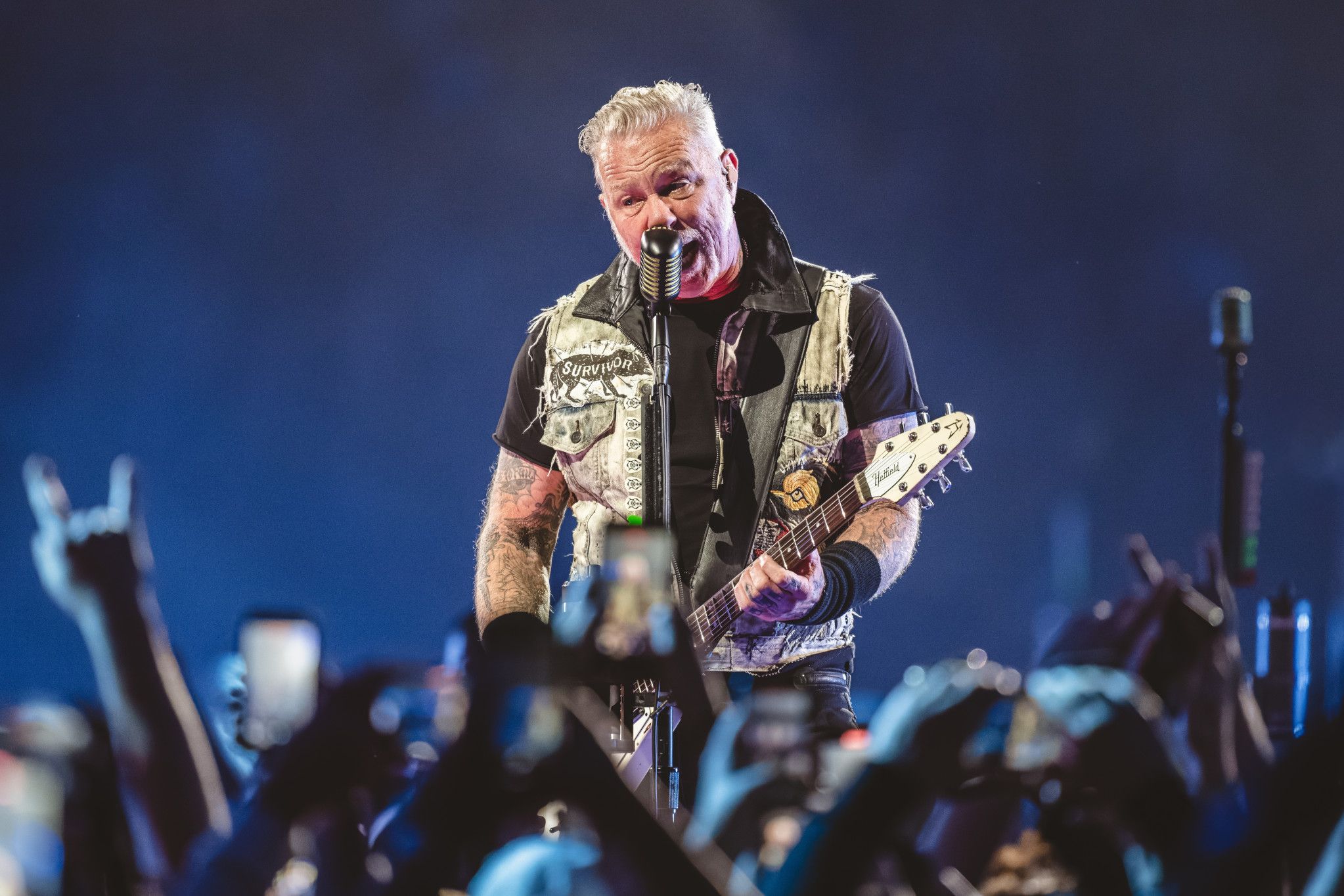
The announcement of Metallica's M72 World Tour stopping at BC Place in Vancouver on May 8, 2027, with Limp Bizkit, brings into focus the varying economic realities of the global entertainment circuit. For Vancouver, this represents a significant event. Nine-time Grammy Award winners Metallica are returning for the first time in nearly a decade, a measure of their enduring draw. The M72 World Tour is reported to have attracted nearly five million attendees globally, a figure that demonstrates consistent demand for acts capable of filling stadiums.
Yet, the economics of securing and staging such tours across the Asia-Pacific region present a distinct set of challenges. While demand for live entertainment in cities like Bangkok, Singapore, or Tokyo is clear, the cost structure associated with world tours—logistics for equipment and personnel, stadium rentals, local staffing, and promotion—can be substantial. The profitability for local promoters and the downstream benefits for hospitality sectors, from hotels to dining, depend on ticket pricing and achievable occupancy rates. These rates must absorb increased overheads.
For a market realist, the central question is always: at what occupancy does it work? Vancouver, with its established infrastructure, a history of hosting major events, and a consumer base with discretionary income, can more readily support the financial demands of a concert featuring artists such as Metallica. The Fairmont Pacific Rim, for example, has been highlighted repeatedly since 2011 by publications like Forbes and The New York Times for its hospitality offerings. Vancouver is also described by Forbes as a “perfect pre-cruise destination,” which contributes to its role as a regional hub for tourism and transit, potentially feeding into event attendance.
Conversely, securing similar acts for Asia-Pacific venues, particularly for multi-date tours across diverse markets, often requires financial guarantees from local promoters or government-backed cultural funds. These guarantees attempt to de-risk the venture for the artists, shifting the financial burden. The counterargument often made by advocates for increased regional touring is the potential for economic multipliers—tourism, retail spending, and international profile. This perspective, however, frequently overlooks the direct costs and the number of international visitors who travel solely for a single concert, especially when compared to existing domestic demand.
While Metallica's announced Vancouver concert reinforces the sustained profitability of stadium rock in some developed markets, it also illustrates the pricing and logistical barriers that remain for consistent access to major tours in the Asia-Pacific. The outcome for regional concertgoers, and the hospitality providers betting on their custom, will depend on whether local markets can consistently bear the escalating costs, or if promoters will continue to seek external subsidies to bridge financial gaps. The constraint lies in the alignment of artist expectations with the diverse economic capacities of Asia-Pacific nations.
Sources
Newsletter
Pacific Daily
A curated briefing from Thailand, Asia-Pacific and the world.