Infrastructure Stability Under Scrutiny Ahead of Major Events
A multi-vehicle crash on Vancouver's Granville Bridge underscores potential vulnerabilities in urban transport networks facing increased strain.
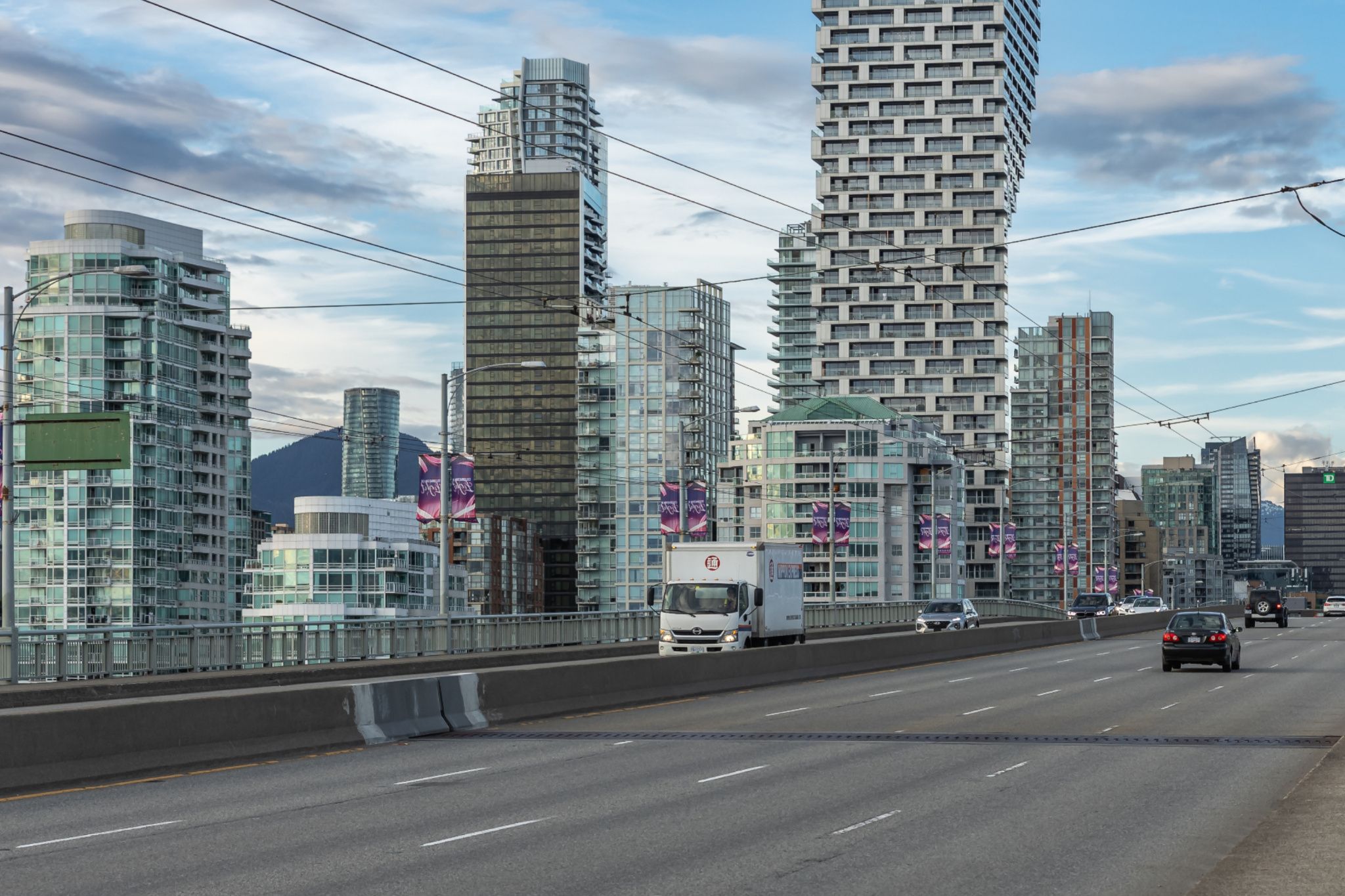
A multi-vehicle collision on the Granville Street Bridge in Vancouver, reported on 2026-09-21, closed the span for several hours. The incident, which occurred just after 5 p.m. on a Sunday afternoon, involved a tow truck, a bus, and two additional vehicles. Six individuals were transported to hospital, with one suffering life-altering injuries. The Vancouver Police Department's Collision Investigation Unit is seeking witnesses, particularly given social media videos appearing to show one vehicle driving in an oncoming lane.
This event highlights operational fragility within critical urban infrastructure. A key arterial route was rendered impassable for an extended period, diverting traffic and disrupting transit. While the specific cause, such as a vehicle operating in an oncoming lane, points to driver error, the impact of such an incident on the broader network is a function of system design and resilience. The immediate consequence was significant localized gridlock, an operational failure for a city reliant on its bridge network.
The timing of this incident is notable given Vancouver's confirmed role as a host city for the 2026 World Cup. Major international events place exceptional demands on urban infrastructure, particularly transportation. The ability to manage traffic flow, rapidly clear incidents, and provide alternative routes becomes paramount when visitor numbers swell. A temporary bridge closure, while standard procedure for a serious crash, would become a more critical issue during periods of high demand, potentially impacting game attendance or hospitality operations if it were to occur on a match day or during a peak travel period.
Critics might argue that a single accident, regardless of severity, does not represent a systemic flaw. They would contend that traffic incidents are an unavoidable reality of urban life and that municipal services are equipped to handle such disruptions. Furthermore, specific driver behavior, such as driving in an oncoming lane, falls outside the realm of infrastructure design or operational planning.
However, the structural analyst's perspective must consider the 'what if' scenario at full occupancy. For hotels, full occupancy amplifies every minor operational flaw, from linen supply to elevator maintenance. For a city's transport network, an event like the World Cup represents a period of extreme 'occupancy.' An arterial bridge closure during such a time could lead to cascading delays across the metropolitan area, impacting not just local residents but also the anticipated influx of international visitors and the economic activities associated with them. The question remains what contingency plans are in place for critical infrastructure bottlenecks, particularly those that support high-volume events, beyond the standard response to everyday accidents. The operational stability of such networks will dictate the overall success of large-scale urban hosting ventures.
Sources
Newsletter
Pacific Daily
A curated briefing from Thailand, Asia-Pacific and the world.