The Silent Shadow: Vancouver's False Creek Incident and the Erosion of Pacific Security
A single police report from Vancouver reveals a pattern of concern for the wider Pacific Rim, where a perceived tranquility can mask unsettling undercurrents.
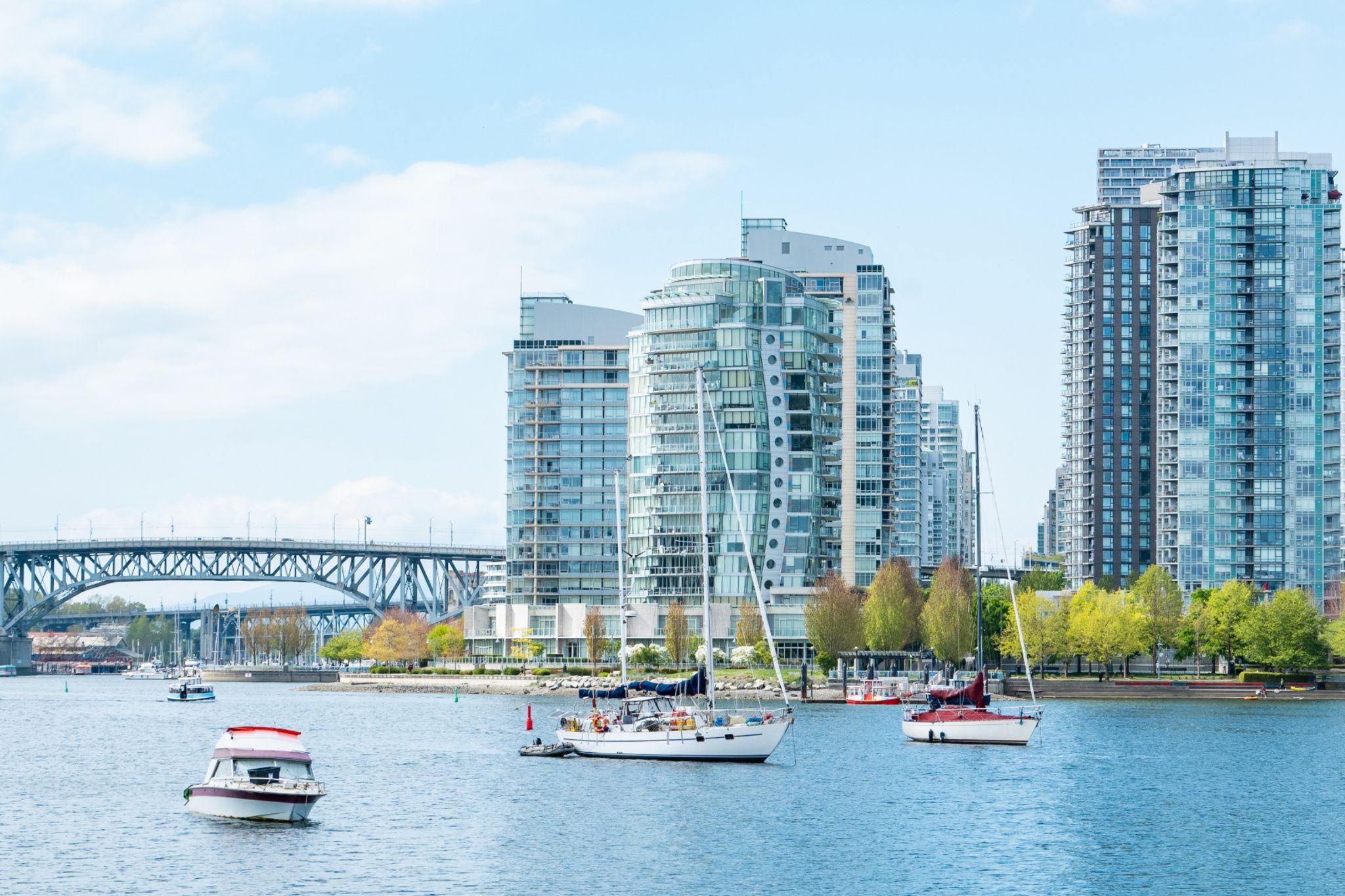
The placid waters of Vancouver's False Creek, a city inlet often associated with recreation and urban tranquility, became the scene of an unsettling incident this past Sunday. The Vancouver Police Department (VPD) received a report alleging that a suppressed gun had been fired into the water from a boat. This led to a police operation on the vessel, named Night Shadow, where officers boarded around 6 p.m. Four individuals aboard were arrested, and a subsequent search, conducted after a warrant was obtained, uncovered a chrome handgun, multiple gun parts, a large extended magazine, and several suppressors.
This event, recorded by Daily Hive Vancouver on September 15, 2026, might appear as an isolated local crime, a footnote in the daily ebb and flow of metropolitan news. Yet, for those observing the broader patterns of the Pacific, it raises a more profound question: What is preserved when such an incident occurs in a public space, and what is quietly being replaced?
The immediate concern might be the presence of illegal firearms, particularly those modified with suppressors, in a city harbour. This speaks to a disregard for public safety and the rule of law. However, the larger context suggests that the Pacific Rim, despite its vastness and diverse geopolitical landscapes, shares vulnerabilities that can manifest in unexpected ways. The ease with which such an arsenal was seemingly maintained on a vessel in a Canadian city harbour points to channels of illicit activity that often transcend national borders.
Consider the scale of the Pacific. From the reverberations of the massive Tonga eruption in 2023, felt across the entire rim, to the ongoing challenges of El Niño impacting the West Coast, the region is defined by its interconnectedness. While environmental events dominate headlines, the currents of human activity, both legitimate and illicit, also flow widely. An incident like the Night Shadow, even if singular in its reporting, offers a glimpse into how the very attributes that enable extensive maritime trade and travel — open waters and accessible ports — can also be exploited. The notion that such a situation would be confined to Vancouver, or indeed to Canada, when the infrastructure for movement across the Pacific is so vast, appears increasingly naive.
Some might argue that such incidents are anomalies, effectively contained by diligent local law enforcement. The VPD's prompt action in this case—seizing the boat and arresting the individuals—supports the idea that a robust police presence can deter and manage these threats. This view posits that the system works, identifying and neutralizing dangers before they escalate into larger regional concerns. It is a comforting thought, suggesting that the integrity of public spaces and security is largely intact.
However, it is precisely the quiet, almost mundane nature of this discovery in False Creek that should prompt deeper reflection. The illicit items were not found after a major confrontation, but after a report of a single gunshot, suggesting a casualness that is itself unsettling. The question becomes not whether law enforcement can react, but how often these quiet infringements occur undetected, flowing beneath the surface. What the Night Shadow incident reveals is not a sudden eruption of crime, but potentially a quiet erosion of assumed safety, a subtle shift in the prevailing habits that define urban waterways across the Pacific. The pattern it interrupts is one of perceived order; the wider habit it speaks to is an ever-present, though often unseen, vulnerability.
Sources
Newsletter
Pacific Daily
A curated briefing from Thailand, Asia-Pacific and the world.