Civic Amalgamation Plebiscite in Canada: A Mirror for Asia's Urban Growth
The non-binding vote in Victoria and Saanich highlights the persistent tensions between local identity and the pressures of municipal consolidation.
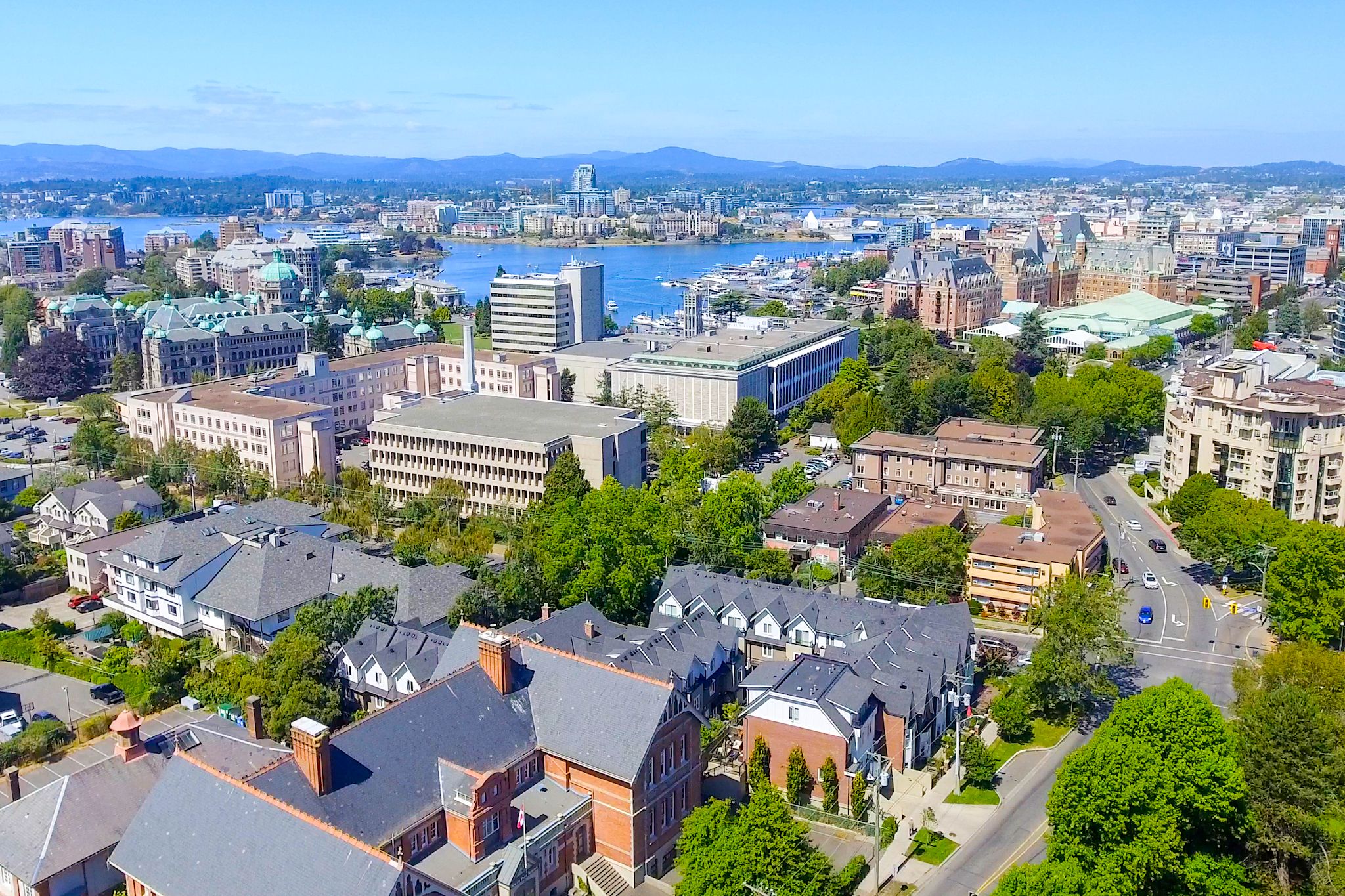
The City of Victoria and the District of Saanich are scheduled to hold non-binding plebiscites on October 17, 2026, asking voters if they support the municipalities becoming one. This is not an immediate merger. A majority in favor would only prompt further studies and provincial government involvement before any legally binding referendum could be considered. The process itself offers a valuable lens through which to examine similar urban development pressures and administrative challenges in Asia-Pacific cities, particularly those facing rapid expansion.
Amalgamation, often framed as a technical solution to administrative efficiency and resource allocation, frequently encounters resistance rooted in local identity and historical autonomy. The question put to voters in Victoria and Saanich, "Do you support Saanich and Victoria becoming one municipality?", reflects a direct appeal to public sentiment on an issue that has significant long-term implications. The non-binding nature of the vote acknowledges this complexity, signaling that even a clear public preference is but one step in a prolonged negotiation process involving multiple layers of governance.
Across Asia, where urbanisation rates continue to reshape cityscapes and populations, the debate over consolidating smaller administrative units into larger metropolitan entities is recurrent. Bangkok, for instance, faces ongoing discussions about its governance structure, particularly as suburban areas blend into the core city without seamless administrative integration. The challenge is not merely about combining budgets or services, but about reconciling distinct civic cultures, existing administrative capacities, and the perceived loss of local representation that often accompanies such mergers. Citizens in communities like Saanich, with their own established municipal services and local elected officials, may view a larger, unified entity as potentially diluting their direct influence.
Officials advocating for amalgamation often present arguments based on economies of scale, streamlined infrastructure planning, and a unified approach to regional challenges like transportation or environmental management. Conversely, critics frequently raise concerns about the erosion of local democratic participation, potential tax increases for some residents, and the difficulty of maintaining responsive public services across a larger, more diverse population. The plebiscite in Canada serves as a reminder that these are not abstract policy debates; they are direct questions posed to residents about the future of their communities and their relationship with local governance.
The Canadian example underscores a fundamental tension: the push for administrative efficiency against the desire for local control. This struggle is particularly pertinent in Asia, where traditional community structures and diverse local economies are frequently subsumed by rapid, top-down urban planning initiatives. The outcome in Victoria and Saanich, regardless of the vote, will highlight the enduring challenge of balancing the perceived benefits of scale with the preservation of distinct community identities and local democratic structures. This balancing act remains a central, unresolved constraint for urban planners and policymakers across the Asia-Pacific region.
Sources
Newsletter
Pacific Daily
A curated briefing from Thailand, Asia-Pacific and the world.