Enforcement Hubs and the Burden of Custody Along Central Pacific Transit Routes
Rapid handovers to federal courts highlight how littoral transit states balance coastal interdiction against the structural costs of detention.
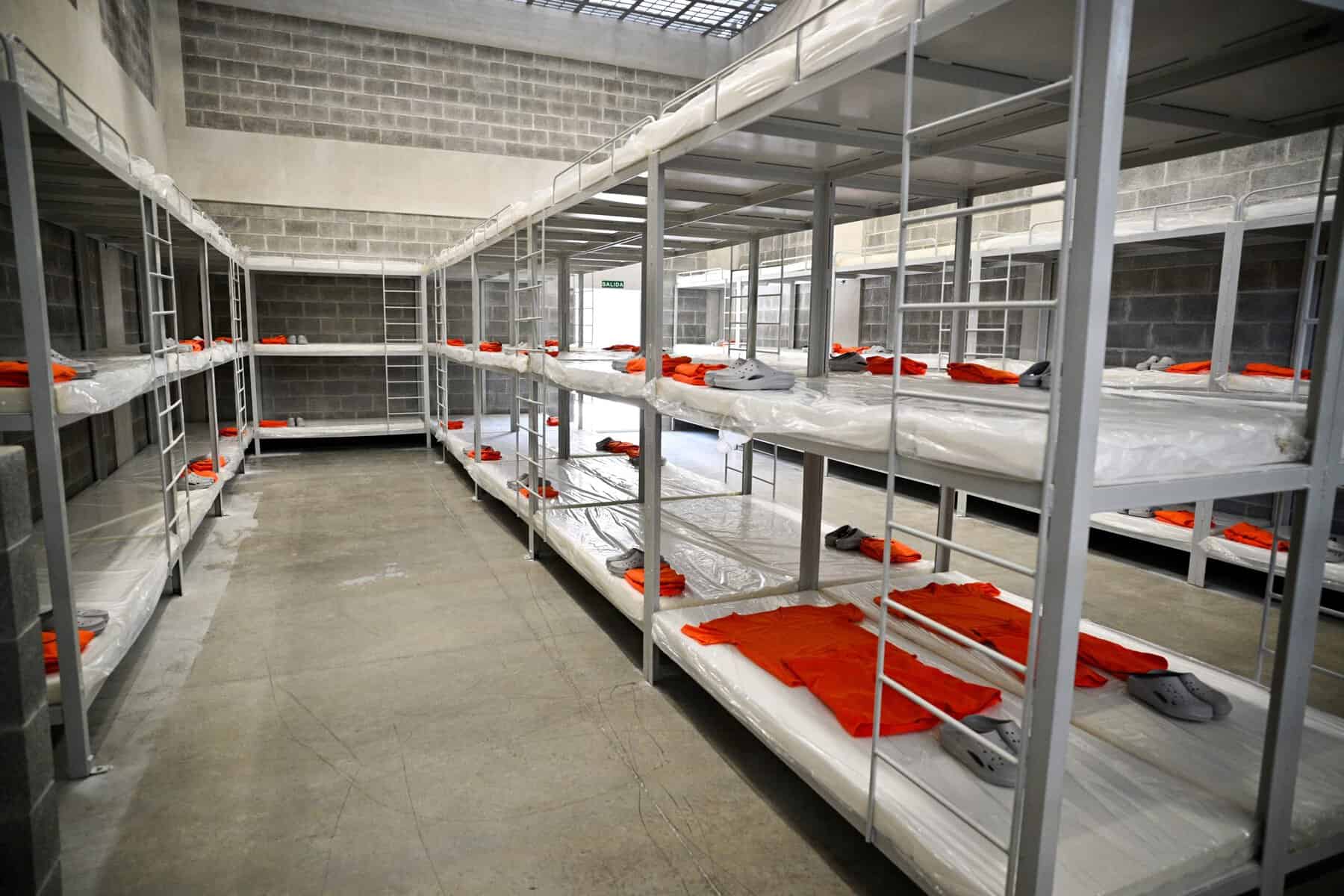
Bilateral custody handovers along maritime thoroughfares function on concrete logistics rather than diplomatic pageantry. When Costa Rica transferred four suspects to the United States across three days, the accelerated schedule resolved immediate security liabilities for local holding infrastructure. Authorities handed over three Mexicans linked to the Sinaloa Cartel on Friday, following the transfer of a Russian national two days earlier. That turnover coincided with public praise from the US Embassy in San José, which congratulated President Laura Fernández on opening a new high-containment prison for organized crime and commended Costa Rica as a key partner against trafficking networks.
Official announcements routinely celebrate rapid extraditions as demonstrations of inter-agency harmony. Maritime interdiction networks along Pacific transit zones reveal an underlying calculus driven by structural exposure. Sovereign transit states positioned between production zones and northern consumer markets face steep physical and institutional costs whenever high-risk suspects enter domestic holding cells. Processing transnational actors inside littoral facilities generates continuous pressure on national enforcement systems.
Interdiction Points and Jurisdictional Offloading
Patrol vessels operating along coastal sectors encounter complex custody burdens once an interception succeeds. The three Mexicans—Espinoza Hernández, Campos Barragán, and Vidrio López—were wanted by the US District Court for the Eastern District of Wisconsin on charges of conspiracy to possess cocaine. Securing defendants connected to major syndicates demands continuous surveillance, fortified detention space, and administrative isolation to prevent local networks from exerting influence over detention centers.
Rapid extradition offloads the continuous operational hazards of holding cartel suspects from littoral authorities directly to federal jurisdictions.
Diplomatic praise from the US Embassy recognized Costa Rica as a key partner in combating organized crime. Commendations serve an administrative purpose, but they do not offset the permanent overhead of long-term domestic detention. Littoral security forces bear substantial expenditure maintaining coastal patrols and intercepting illicit cargo. Retaining custody of foreign operatives in domestic prisons exposes regional institutions to retributive threats, corruption risks, and acute budget strain.
Transferring suspects directly to federal prosecutors in the Eastern District of Wisconsin shifts that custody burden away from the transit corridor. American federal authorities secure direct judicial access to individuals tied to cross-border supply chains. Simultaneously, administrative officials in San José insulate domestic institutions from retaliatory disruption. Commendations directed to President Laura Fernández over the high-containment prison illustrate how infrastructure upgrades and accelerated extraditions operate in tandem, formalizing a division of labor between regional interdiction and external trial.
Custody Architecture and State Capacity
Critics of rapid extradition argue that relying on foreign courts weakens domestic judicial institutions and reduces national facilities to passive transfer stations. Legal sovereignty, under this view, requires host states to try and sentence transnational offenders within their own courts. Yet this critique understates the financial realities governing maritime security apparatuses. Diverting operational capital toward the permanent, high-security detention of international syndicate figures deprives littoral enforcement agencies of resources essential for port defense and maritime surveillance.
Dedicated facilities, such as the organized crime prison commended by American diplomats, provide an improved containment baseline for domestic investigations. Physical concrete alone cannot eliminate the strategic vulnerabilities of housing foreign syndicate members. Externalizing prosecution to foreign jurisdictions remains the most pragmatic defensive measure available to coastal transit states seeking to preserve domestic institutional stability.
Securing littoral transit routes ultimately depends on whether interdiction partnerships provide sustained institutional support beyond courtroom handovers. High-security prison infrastructure addresses the custody phase, but it does not alter the geography of Pacific trafficking corridors. The durable outcome now depends on whether coastal states can convert bilateral cooperation into sustained maritime surveillance and long-term enforcement resilience.
Sources
Newsletter
Pacific Daily
A curated briefing from Thailand, Asia-Pacific and the world.