Brazil's Election Risks Amazon Reversal, Structural Implications for Asia-Pacific Conservation
The potential shift in Brazil's environmental policy could redefine global expectations for resource management and accountability, impacting regions reliant on similar ecological commitments.
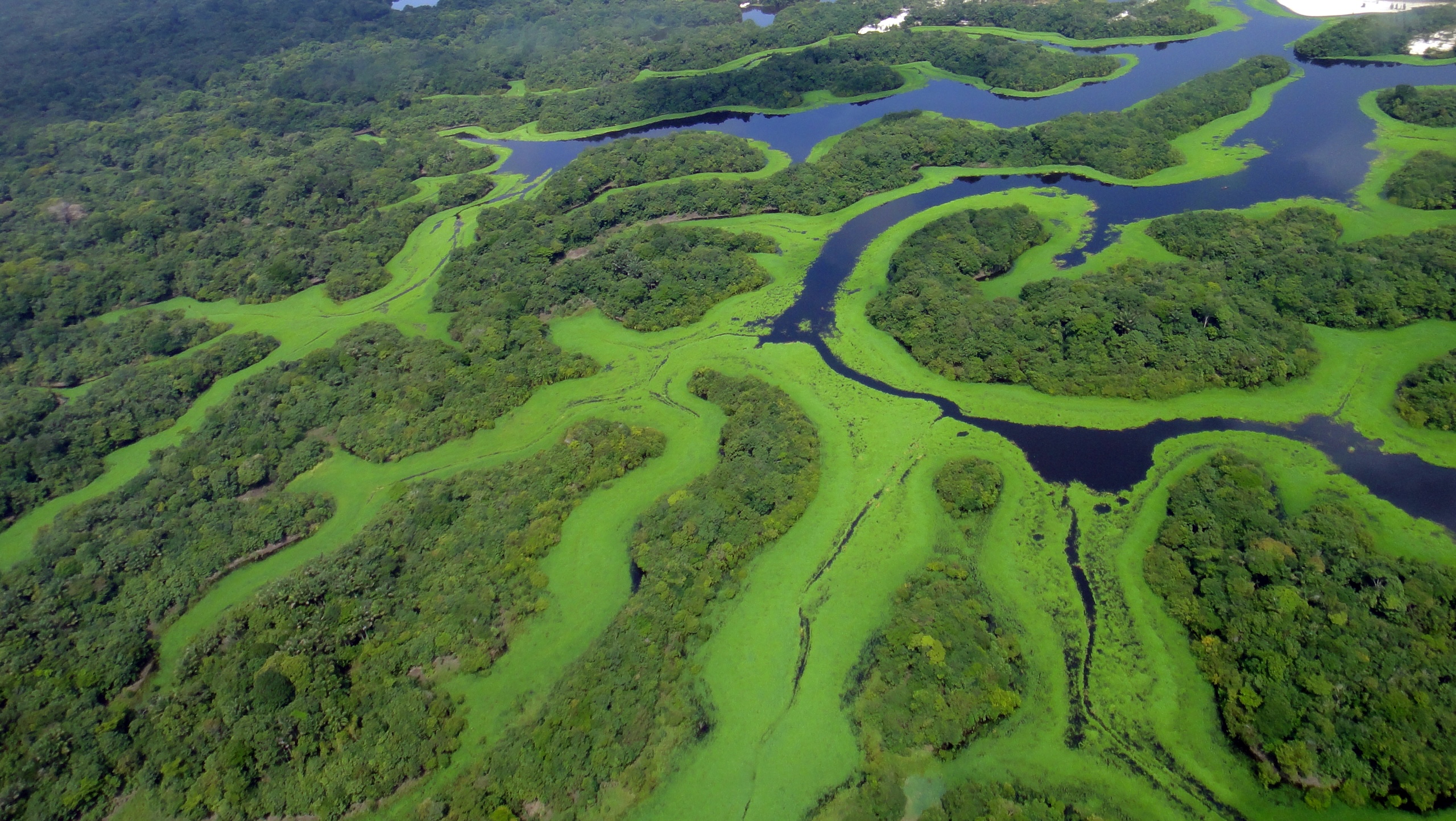
The upcoming presidential election in Brazil presents a structural challenge to global environmental policy, particularly concerning the Amazon rainforest. While local to South America, the outcome carries implications for the Asia-Pacific region by redefining the precedent for national-level environmental commitments and accountability. Forest guardians and environmental analysts, as reported on September 21, 2026, by Mongabay Asia, anticipate a high-stakes contest. The election pits left-wing President Luiz Inácio Lula da Silva against Senator Flávio Bolsonaro, son of former President Jair Bolsonaro.
The core issue is a stark choice: maintaining existing conservation strategies, which analysts say have achieved recent progress in lowering deforestation rates, or a policy U-turn. This potential reversal is not merely a domestic Brazilian matter; it would represent a significant shift in the global landscape of environmental governance. For regions like Southeast Asia, which grapples with its own deforestation challenges driven by palm oil, logging, and infrastructure development, a weakening of resolve in a major ecological power like Brazil could structurally alter diplomatic pressure and international funding flows for conservation efforts.
The current administration's approach to environmental policy has, according to experts, allowed for specific conservation strategies. A victory for Senator Bolsonaro could signal a return to policies associated with his father's previous term. Such a shift would demonstrate that electoral cycles can rapidly dismantle environmental protections, even those deemed successful by expert consensus. This mechanism — the vulnerability of long-term environmental gains to short-term political shifts — is the pattern that interrupts the conventional expectation of incremental progress.
The primary beneficiaries of a policy shift would likely be industries seeking less regulatory oversight in resource extraction, such as agriculture and mining. Conversely, those who would bear the cost are Indigenous communities, environmental NGOs, and ultimately, global climate stability. The international community, often a financier or advocate for conservation, would be faced with a precedent where a nation with a critical ecological asset opts for a different developmental path, potentially undermining collaborative efforts and international agreements.
While the direct impact on Asian nations' forest cover is limited, the indirect consequences are structural. An erosion of environmental accountability in Brazil could embolden other resource-rich nations, including those in the Asia-Pacific, to prioritize short-term economic gains over long-term environmental sustainability. This could reduce the leverage of international bodies and advocacy groups pushing for stronger environmental regulations in areas experiencing rapid industrial expansion. The election results will indicate who holds the decision-making power over a globally vital resource, and whether that power will be exercised to maintain or dismantle existing environmental frameworks. The constraint that remains unresolved is how the global community will react to such a fundamental redefinition of environmental responsibility by a major sovereign nation.
Sources
Newsletter
Pacific Daily
A curated briefing from Thailand, Asia-Pacific and the world.