Fishmeal Demand Threatens Regional Food Security Beyond West Africa
The pattern of resource depletion for industrial feed, exemplified in Guinea-Bissau, poses risks for the Asia-Pacific's coastal communities.
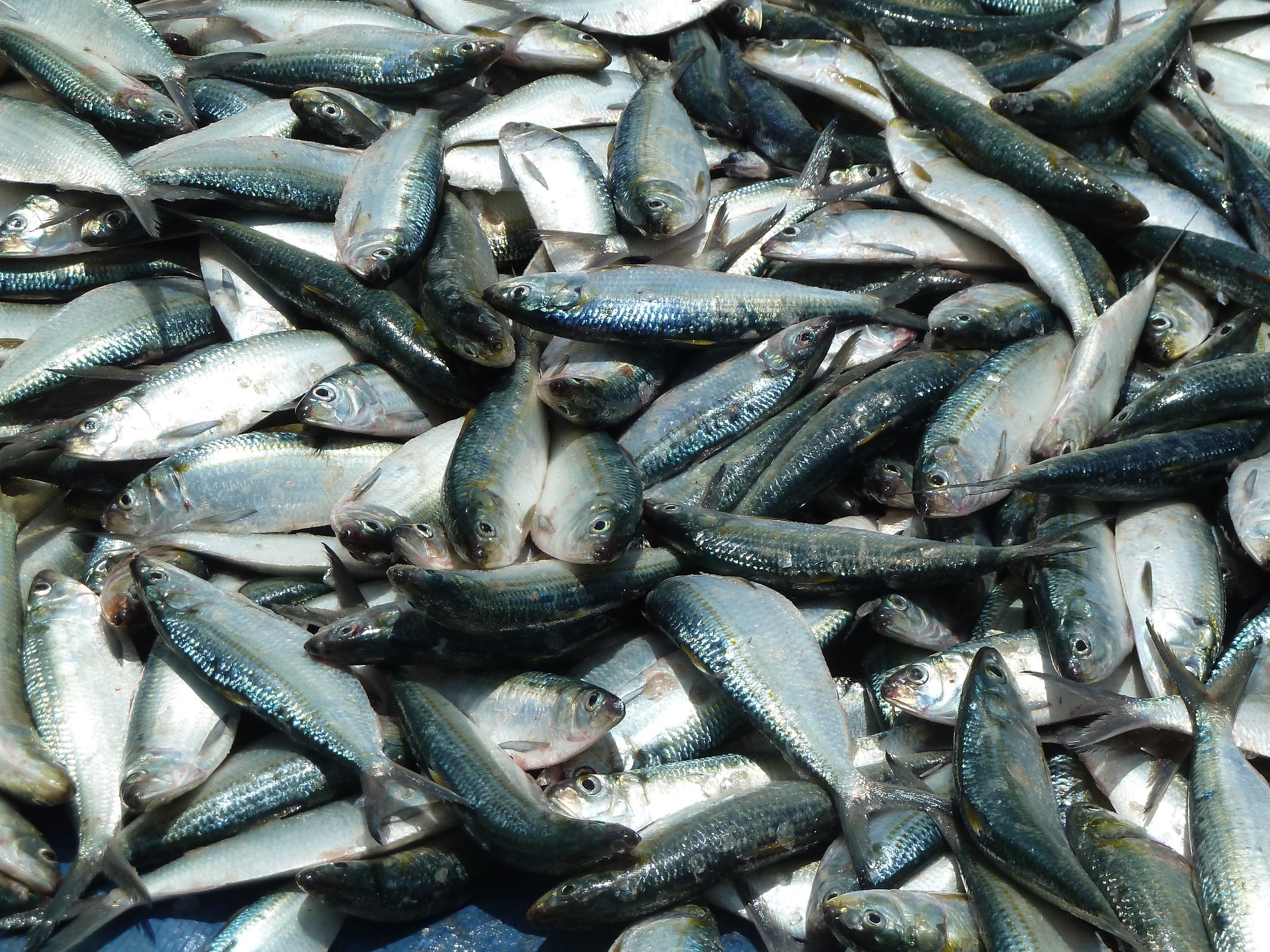
The rapid decline of sardinella populations in Guinea-Bissau’s waters, linked to industrial fishmeal production, illustrates a pattern of resource exploitation that carries distinct risks for the Asia-Pacific region. This situation, where vital protein sources for local communities are diverted to livestock feed, signals a structural tension between global industrial demand and regional food security.
According to a report by the investigative news organization OCCRP, populations of sardinella, including Madeiran sardinella and round sardinella, are experiencing rapid decline in West African waters. These fish are a crucial food source for people in Guinea-Bissau and neighboring nations. Concurrently, these same species are primary ingredients in fishmeal, a processed product used to enrich livestock feed. This dual demand places immense pressure on a finite resource, with industrial fishing appearing to outpace local, sustenance-based catches.
The Food and Agriculture Organization’s world review of fisheries and aquaculture highlights the global scale of such resource dynamics. While the immediate reporting focuses on Guinea-Bissau, the mechanism—industrial conversion of local food fish into feed for distant markets—is not geographically isolated. The Asia-Pacific, with its extensive coastlines and significant reliance on marine resources for both local consumption and export, is particularly vulnerable to similar pressures. Coastal communities throughout the region depend on small pelagic fish species, akin to sardinella, for protein and livelihoods. The shift of such resources from direct human consumption to industrial supply chains, driven by an increasing global demand for animal protein, could replicate the challenges now evident in West Africa.
One might argue that regional fisheries management in the Asia-Pacific is robust enough to prevent such declines. However, the history of overfishing in various parts of the world suggests that regulatory frameworks often struggle to keep pace with industrial-scale extraction, particularly when driven by powerful economic incentives. The demand for fishmeal, as a high-protein additive for aquaculture and agriculture, continues to grow, potentially incentivizing practices that prioritize volume over ecological sustainability and local food needs.
The pattern of converting foundational marine protein into industrial feed risks destabilizing the delicate balance of coastal ecosystems and the communities that depend on them.
The consequence of such resource depletion extends beyond mere dietary shifts. The removal of sardinella disrupts marine food webs, affecting other species and the overall health of the ecosystem. For the Asia-Pacific, where many nations contend with climate-induced stressors like rising sea levels and altered weather patterns—exemplified by events such as an 8.8 magnitude earthquake and tsunami waves reaching California in 2025, or Hurricane Kay off Mexico's Pacific coast in 2022—the added strain of declining primary food fish could exacerbate existing vulnerabilities. A policy focus on land-based economic growth often overlooks the hidden costs paid by coastlines, where distant industrial demands reshape local environments. The Guinea-Bissau case underscores the critical need for a regional strategy that prioritizes the long-term food security of coastal populations over short-term industrial gains, particularly as global demand continues to intensify.
Sources
Newsletter
Pacific Daily
A curated briefing from Thailand, Asia-Pacific and the world.