Himalayan Hydropower: A Risky Bet for Bhutan's Economic Future
Nepal's recent floods underscore the financial and environmental vulnerabilities inherent in a regional energy model reliant on glacial stability. Thailand's coastal development offers a comparative lens for strategic reassessment.
SINGAPORE
A recurring pattern of economic development in Asia-Pacific regions, where national strategies align with uncertain environmental conditions, finds a recent illustration in the Himalayas. The floods in Nepal, widely reported in late August 2026, highlight the inherent instability of an environment experiencing rapid climatic shifts. While immediate attention focused on Nepal’s human and infrastructural losses, these events carry broader implications for regional energy strategies, particularly Bhutan’s approach to hydropower.
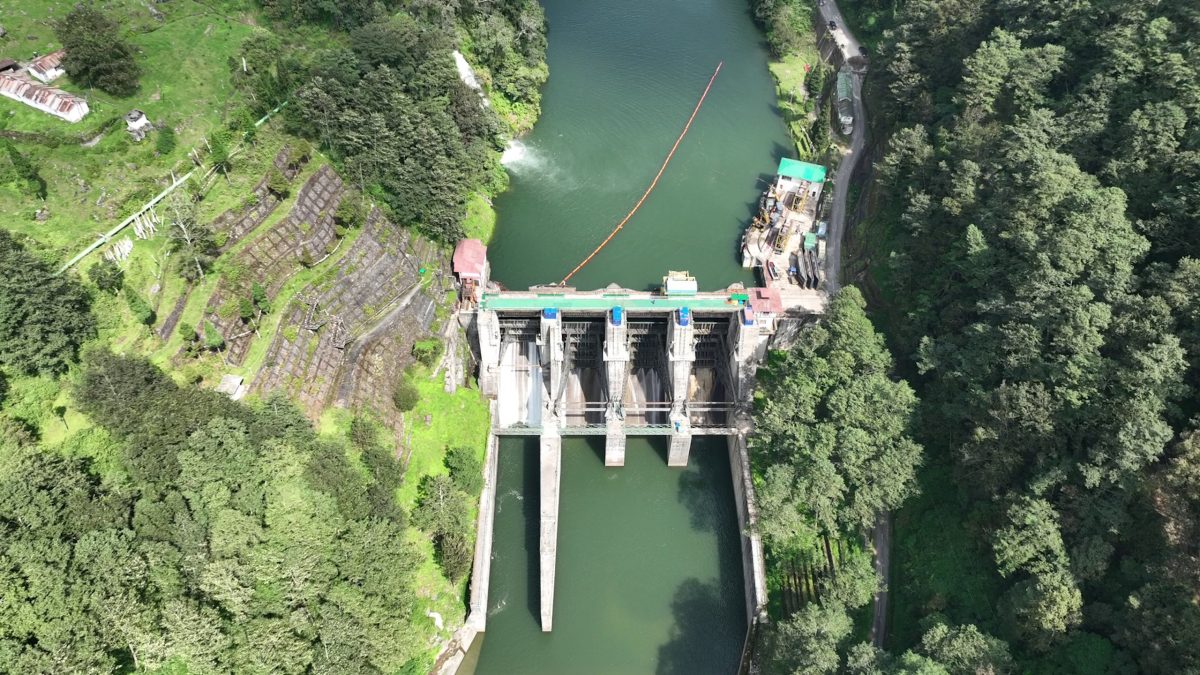
Bhutan, for instance, has long presented its hydropower infrastructure as a foundation of its economy and a crucial part of its trade relationship with India. The Chhukha hydropower dam exemplifies this strategy. The very mountainous terrain that generates this power, however, faces increasing susceptibility to glacial melt and extreme weather events, similar to those that recently impacted Nepal. The stated goal of economic growth through hydropower thus confronts an intensifying environmental hazard.
This situation reveals a tension: the infrastructure is economically crucial for Bhutan yet generates substantial debt, requiring continued operation and expansion to meet financial obligations. A reliance on river systems fed by potentially unstable glaciers introduces a significant, evolving variable into this economic equation. India’s dependence on this power, alongside its role as a key financial partner, ties its energy security directly to Bhutan’s environmental exposure. This model, where one nation's economic stability becomes intertwined with another's ecological peril, reflects a common regional pattern.
For a nation like Thailand, which manages extensive coastlines, the situation in the Himalayas offers a distant, yet pertinent, cautionary perspective. Specific climate risks certainly differ; coastal erosion and sea-level rise are distinct from glacial outbursts. However, the underlying strategic vulnerability remains similar. Both regions face the challenge of reconciling economic development models with an increasingly unpredictable climate, where existing infrastructure must adapt to shifting environmental baselines. The question of who absorbs the costs when such geographically disparate but climatically linked risks materialize remains largely unresolved across many regional contexts. The concentration of economic activity and population in vulnerable zones suggests that policies drafted without fully accounting for evolving climate dynamics will continue to face direct financial and social consequences.
Sources
Newsletter
Pacific Daily
A curated briefing from Thailand, Asia-Pacific and the world.