Fuel Costs and Shrinking Catches Drive Asia-Pacific Fishers Ashore, Reshaping Coastal Economies
Rising operational expenses and declining marine yields are forcing Vietnamese and Thai fishing communities to abandon their livelihoods, revealing broader economic shifts across the region.
SINGAPORE
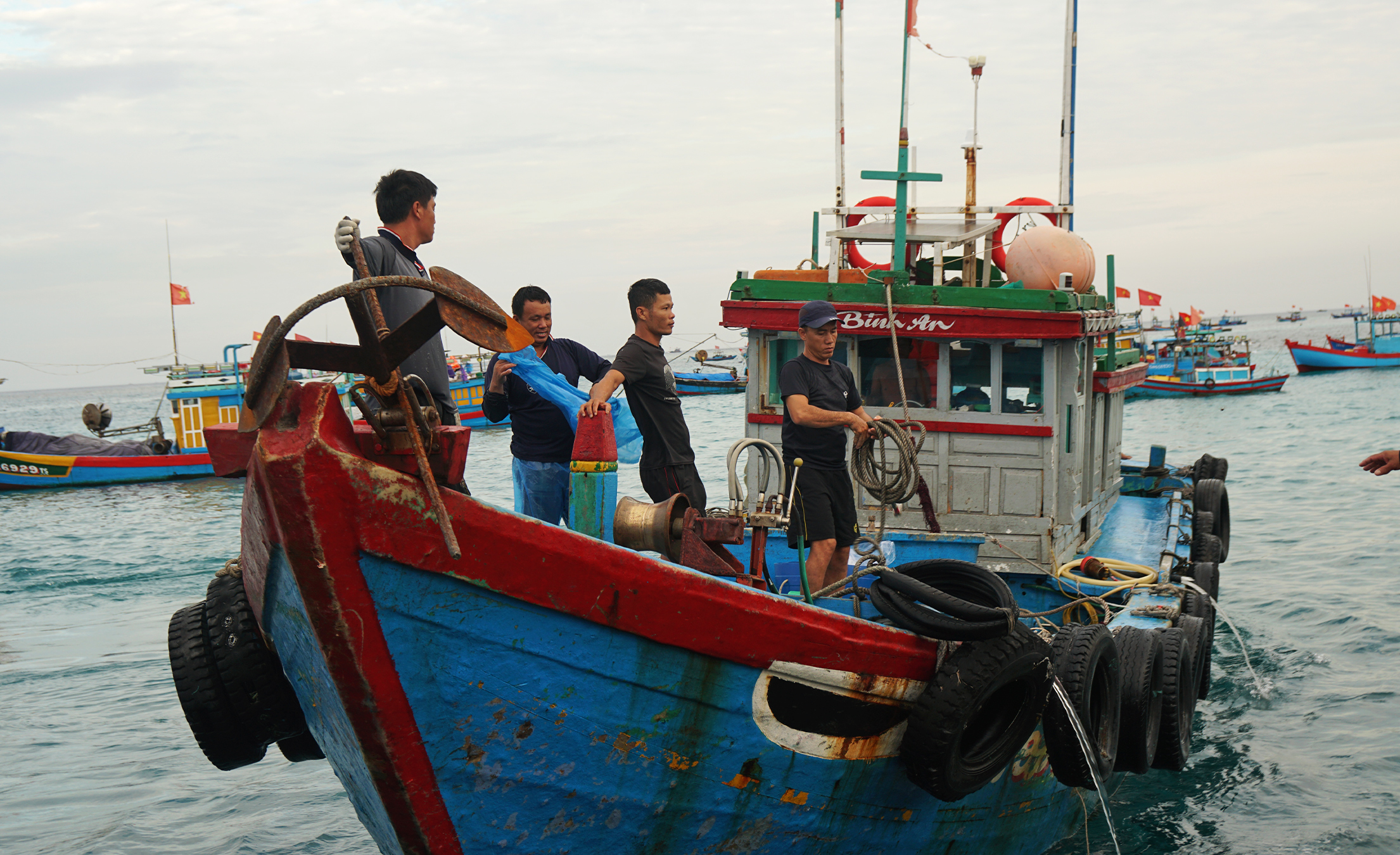
When diesel prices in Vietnam hit an all-time high in March, Vo Huu Viet, a fisherman with over 30 years at sea in Quang Ngai province, stayed ashore. This decision, uncommon for Viet, illustrates a growing financial strain in regional fishing, where the catch is no longer sufficient to cover the labor of four men. His family and crew now haul heavy goods to make ends meet, a direct consequence of soaring fuel costs that have left thousands of boats docked in Vietnamese ports for months.
This dynamic extends beyond Vietnam. In Thailand, the fishing industry faces a similar fight for survival, exacerbated by the impact of an Iran war on fuel costs (South China Morning Post, 2026-04-05). Malay Mail (2026-01-11) reports shrinking catches and rising costs also haunt Sayong Pinang Orang Asli fishermen in Malaysia, following Sungai Johor pollution. Even in Jersey, a fisherman quit his livelihood due to rising costs and red tape (BBC, 2025-10-30). This pattern signals an economic crunch for small-scale fishers across various regions, including those in the Asia-Pacific.
The core incentive structure for fishing — the balance between operational costs and market value of the catch — has shifted. When diesel expenses outweigh potential earnings, staying at port becomes the rational, if desperate, choice. This leads to an increase in underemployment or a forced migration into other informal labor sectors for coastal communities, a displacement that often lacks formal support or infrastructure. The question of who is priced out and where they go becomes central to understanding the economic vulnerability of these populations.
While the Food and Agriculture Organization (FAO) reported in June 2024 that global fisheries and aquaculture production reached a new record high, this aggregate statistic does not reflect the localized distress faced by small-scale, traditional fishing operations. The macro-level growth could be driven by large industrial fleets, aquaculture, or regions less affected by specific cost pressures or environmental degradation, masking the microeconomic realities on the ground. This divergence indicates that growth in the sector is not evenly distributed, nor does it necessarily benefit all participants.
Another significant pressure on regional fisheries, especially those affecting Vietnam and potentially Thailand, is the ongoing contest over fishing grounds. The South China Sea conflict, for instance, has sparked a battle over these resources (Bloomberg.com, 2020-09-01), further complicating access and safety for fishers. This geopolitical tension adds another layer of risk and uncertainty to an already precarious livelihood.
The outlook for these traditional fishing communities remains constrained. Without interventions that address both the rising cost of operations, particularly fuel, and the declining availability of fish, the shift away from traditional fishing livelihoods will intensify. The outcome now depends on whether policy responses can mitigate these pressures, or if coastal economies will be permanently reconfigured by these market forces.
Sources
Newsletter
Pacific Daily
A curated briefing from Thailand, Asia-Pacific and the world.