Exotic Pet Trade: Uncontained Pathogen Risk Shifts Decision Power
The rising trade in imported wild animals creates a structural shift in public health risk across Asia, moving control over zoonotic disease from public health agencies to the informal market.
SINGAPORE
The increasing exotic pet trade in India, reported by Mongabay Asia on September 17, 2026, presents a clear structural change in how zoonotic disease risk is managed and by whom. The report outlines that close contact with imported wild animals provides repeated opportunities for dangerous pathogens to cross to humans and vice versa. This is not merely an isolated public health concern; it fundamentally alters the locus of decision-making regarding public safety, shifting it away from state health infrastructure and towards an unregulated market.
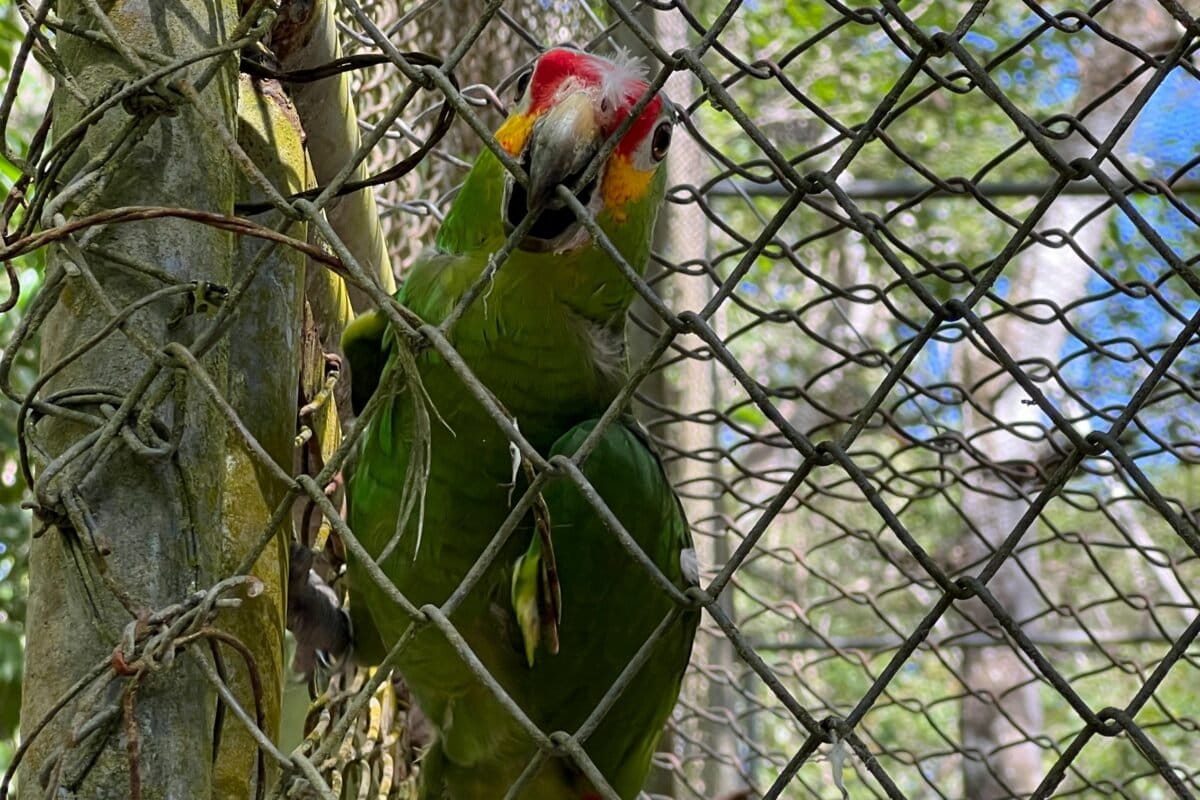
The experience of Dr. Rina Dev, an avian and exotic animal veterinarian in Mumbai, who was hospitalized with a lung infection after treating imported wildlife, underscores the immediate personal risk. Her expressed concern, “I hope it’s not something from the parrots I was treating,” is a direct acknowledgment of the pathway for diseases such as avian chlamydiosis. This individual case, while not conclusive proof of origin, illustrates the potential for occupational exposure to become a vector for wider public health issues, extending beyond the direct trade participants.
This trend, while reported in India, reflects a broader regional challenge. The informal nature of segments of the exotic animal trade, as evidenced by pet shops in mainland China offering to deliver rare animals regardless of Hong Kong’s laws, as reported by the South China Morning Post, suggests a systemic vulnerability. The charging of an exotic pet expo host in Hong Kong in August 2026 for illegal possession of endangered species, as noted by Reuters, further illustrates the challenges in enforcement against actors operating outside legal frameworks. These incidents indicate that regulatory structures designed to control animal imports and public health are being circumvented, leading to a de facto decentralization of pathogen control.
Historically, public health systems aimed to contain infectious diseases through structured monitoring and intervention. However, the burgeoning exotic pet market introduces an unmonitored variable, one where demand for unique animals drives supply chains that prioritize speed and opacity over biological safety. The decision to import, sell, or own such an animal effectively becomes a decentralized public health decision, made without scientific assessment or regulatory oversight. This situation creates an environment where the 'decision' about potential disease spillover is made by individual traders and consumers, rather than by public health policy.
Some might argue that existing regulations and enforcement efforts are sufficient to manage this risk, pointing to seizures and arrests. However, the persistence of the trade and the reported incidents suggest that current measures are reactive rather than preventative, often addressing consequences after exposure has occurred. The sheer volume and diversity of animals, combined with the profitability of the trade, make comprehensive control challenging. The structural implication is that as long as the incentive for unregulated trade outweighs the perceived risk or penalty, the informal sector will continue to dictate the terms of pathogen exchange. The unresolved constraint for states like Thailand and others in the Asia-Pacific is therefore not simply to enforce laws, but to fundamentally alter the economic and cultural drivers that empower this informal decision-making regarding zoonotic risk.
Sources
Newsletter
Pacific Daily
A curated briefing from Thailand, Asia-Pacific and the world.