Luxury at Sea: The Allure of the Accessible Exotic
The arrival of Explora III in Asia reveals a deeper narrative about evolving cultural aspirations, rather than merely a new travel option.
SINGAPORE
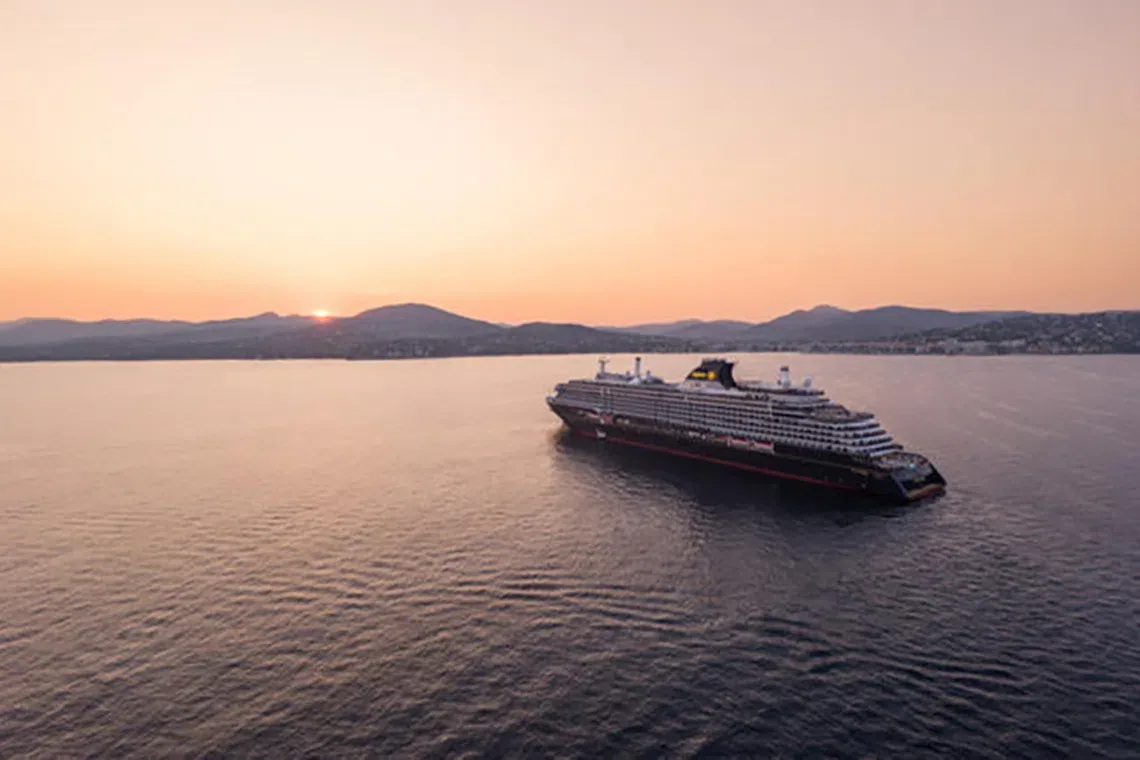
The announcement that Explora III, a luxury all-suite cruise ship, will operate in Asia from 2027 to 2028, with destinations including Singapore, Japan, and Vietnam, presents more than a new itinerary. This development reflects a shift in how certain segments of society perceive and consume luxury travel, highlighting a particular tension between exclusivity and accessibility that resonates deeply within the region's cultural landscape.
Historically, the idea of bespoke, high-end travel often implied a degree of scarcity or arduous access. Experiences were valued not just for their inherent quality but for the effort required to attain them. Explora III, offering ocean-facing suites with private terraces and diverse gourmet dining, including seven restaurants, alongside wellness and fitness facilities, positions itself as a vessel for what one source describes as 'quiet luxury'. This characterization, attributed to the South China Morning Post in 2023 regarding Explora I, suggests a deliberate move away from ostentatious display towards a more understated form of affluence. The very notion that its price is 'not as prohibitive as one would expect', as noted by The Straits Times Life in 2026, reinforces this positioning.
This cruise line appears to be actively cultivating a demographic beyond traditional cruisers, targeting 'non-cruisers' with amenities like caviar for breakfast, Pilates, and pickleball classes, as reported by cnaluxury.channelnewsasia.com in 2026. This strategy is an attempt to broaden the appeal of sea travel, suggesting that the established perceptions of cruising — perhaps as less dynamic or less sophisticated than land-based luxury — are being challenged. It speaks to an underlying belief among consumers that high-end experiences should be holistic and readily available, seamlessly integrating various aspects of wellness, gastronomy, and exploration without the typical friction points of travel.
However, the very framing of luxury as 'accessible' contains a subtle but important contradiction. True luxury, for many, derives its value from its inherent exclusivity; a condition that allows it to remain largely untouched by the mainstream. While Explora Journeys asserts it is 'wooing non-cruisers', the ultimate effect of broadening appeal may be to dilute the very 'quiet luxury' it purports to offer. The question then becomes: can an experience remain genuinely exclusive when it consciously seeks a wider audience? The cultural expectation of status, particularly in rapidly developing economies, often hinges on differentiation. If a high-end experience becomes too common, does it retain its aspirational cachet?
The ship's routes through Singapore, Japan, and Vietnam will intersect with cultures that value both tradition and modernity, often seeking to integrate Western comforts with local authenticity. While the cruise promises an 'all-suite' experience, the degree to which it can genuinely immerse passengers in the nuances of these destinations from the confines of a luxury vessel remains to be fully seen. The convenience of a pre-packaged itinerary, while appealing to some, inherently limits organic engagement with local life, which is often a key component of a culturally rich travel experience. This tension between the curated, comfortable bubble of a luxury cruise and the desire for authentic cultural discovery presents an ongoing challenge for the industry as it navigates the sophisticated tastes of a new generation of travelers.
Ultimately, the Explora III's venture into Asia is a case study in the evolving definition of luxury itself. It suggests that for a significant segment, the perceived value lies less in an unattainable status and more in a meticulously curated convenience that removes friction from high-end living. The cultural desire for both effortless elegance and distinctive experiences drives this market, but it also creates a dynamic tension: how much broader can the appeal of luxury become before its essential character, defined by its selectiveness, begins to erode? This remains an unresolved question, one that will likely define the contours of high-end travel in the coming years.
Sources
Newsletter
Pacific Daily
A curated briefing from Thailand, Asia-Pacific and the world.