The Shifting Spectacle of F1 Influence Beyond the Track
While the spotlight often remains on the drivers, a new commercial landscape emerges for those in their orbit, reshaping traditional perceptions of celebrity endorsement.
SINGAPORE
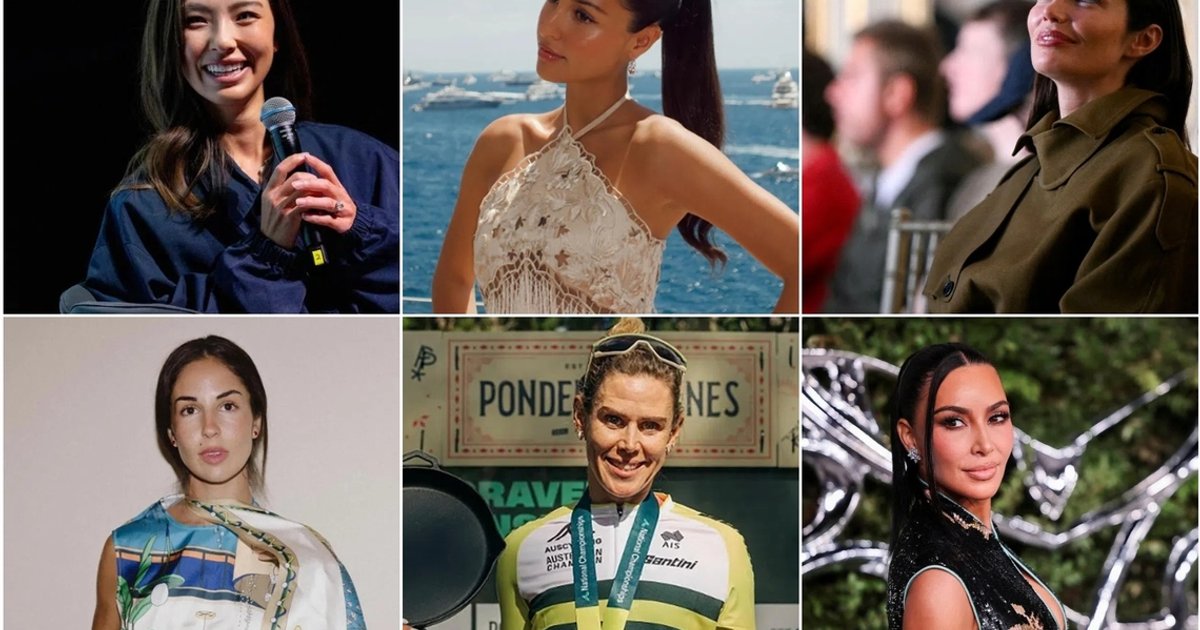
The spectacle of Formula 1 has historically centered on speed and engineering, a narrative driven by male athletes. Recently, however, an ancillary cast has begun to attract commercial attention, notably the wives and girlfriends, or WAGs, of the F1 drivers. This shift reflects a broader trend where sporting events, amplified by media like Netflix's "Drive to Survive," become platforms for diverse forms of celebrity.
Lily He, a professional golfer, reported to The Straits Times in October 2026 that her association with F1 provided a profile boost, assisting her entry into the fashion world beyond golf. She, alongside entrepreneur Carmen Montero Mundt, was booked for private appearances during a Singapore race weekend. This indicates a deliberate strategy by brands to leverage the visibility of these individuals, tapping into a growing Gen Z female interest in motorsport. The phenomenon suggests that F1's commercial appeal now extends beyond traditional sponsorships, embracing personal brands that align with fashion and beauty.
This development raises questions about the nature of influence and its monetization. Traditionally, the partners of sports stars might gain social standing, but direct commercial endorsements outside their own professional fields were less common. The current trend transforms these relationships into distinct economic assets. The F1 ecosystem, already a significant tourism draw for cities like Singapore and the broader Asia-Pacific region, appears to be expanding its commercial touchpoints, diversifying revenue streams not only for the sport but also for individuals associated with it.
One might argue that this is simply a modern iteration of celebrity endorsement, no different from spouses of actors or musicians capitalizing on their partners' fame. However, the structured nature of F1, with its global audience and high-stakes drama, provides a unique amplification. The sport's growing popularity, especially among younger demographics, creates fertile ground for new forms of brand engagement.
Yet, this also subtly redefines the value proposition for those within the F1 sphere. The focus shifts from pure athletic achievement to a broader lifestyle appeal. It highlights a commercialization process that extracts value from every available connection to the main event. What remains less clear is the long-term sustainability of this model and its potential impact on the public perception of the sport itself. The blurring lines between sporting prowess and lifestyle influence mark a notable evolution in the economic dimension of global sports.
Sources
Newsletter
Pacific Daily
A curated briefing from Thailand, Asia-Pacific and the world.