Singapore's market renaissance reflects a broader cultural turn
Beneath the surface of bustling pop-ups, a shift towards local authenticity and shared experience reveals itself, challenging preconceived notions of a purely consumerist Asia-Pacific.
SINGAPORE
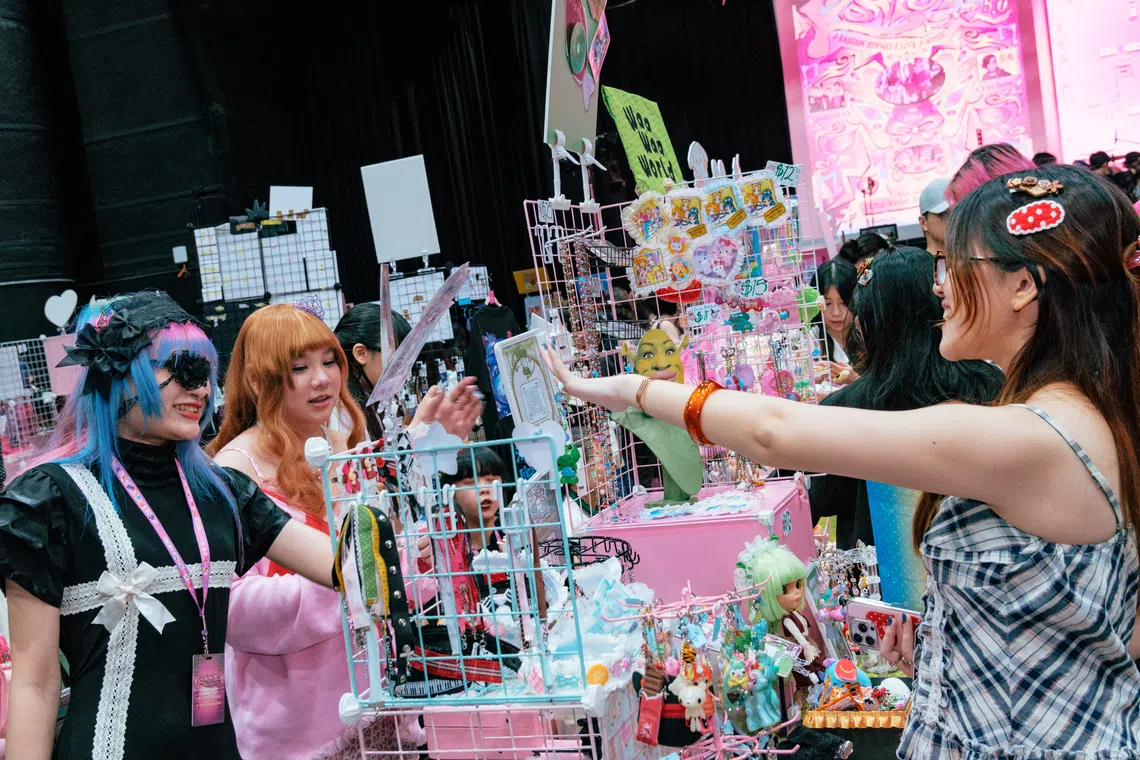
The report from *The Straits Times Life* on Singapore's 'thriving' weekend market scene, replete with pop-up events featuring art, fashion, lifestyle, and indie goods, offers a precise observation of a visible societal trend. These markets, including Craft Festival Singapore, Green-House sustainability festival, Konbini J-fashion market, Somewhere @ Bugis Street, and Artcade, draw 'thousands' and promote 'creative exchange'. The involvement of international entities like Common Rare from Shanghai and Indonesia’s Masa collective underscores the regional pull. This activity, occurring 'almost every weekend' in 2026, appears at first glance to be a straightforward sign of retail health, yet it signals something deeper about prevailing cultural currents in the Asia-Pacific.
While the commercial aspect of these markets is undeniable—they facilitate transactions and provide platforms for emerging brands—their underlying appeal extends beyond mere consumption. The types of goods highlighted, from artisanal crafts to indie fashion and fan-art, suggest a public appetite for items that carry a narrative, reflect individual expression, or are rooted in specific subcultures. This contrasts with a long-held perception, particularly in parts of the West, of Asia-Pacific markets as primarily driven by mass-produced goods or high-end luxury. The observed popularity of these curated spaces suggests a subtle but significant reorientation of consumer values, where the provenance and uniqueness of an item hold increasing weight.
The attraction of these markets lies not just in what is bought, but in the experience itself. The 'creative exchange' they foster is a critical component. These are not merely shopping venues; they are social spaces that offer community and interaction, a counterpoint to the increasingly digital and anonymous nature of much modern commerce. This search for tangible, local, and shared experiences resonates across the region. In Thailand, for instance, similar trends have manifested in the enduring popularity of night markets and curated artisan fairs, often blending local heritage with contemporary design. The success of Singapore’s markets, therefore, does not solely speak to the city-state's economic dynamism, but to a collective desire for cultural rootedness and authentic engagement.
However, it is crucial to acknowledge that such markets, while appearing organic, often operate within a commercial framework. While *The Straits Times Life* describes the scene as 'thriving,' and the events attract 'thousands,' the financial viability for individual vendors, the broader economic impact beyond immediate sales, and the potential for these scenes to become commodified or gentrified are questions that remain less explored. The fact that the report originates from a section focused on 'retail therapy' also positions these activities within a consumerist lens, potentially understating the community or cultural drivers.
What this phenomenon reveals about the audience’s existing beliefs is a nuanced acceptance of local and niche cultures within a globalised framework. It challenges the simplistic binary of traditional versus modern, instead presenting a hybrid space where innovation and heritage coexist. The market scene in Singapore, far from being an isolated retail trend, reflects a broader cultural renegotiation across the Asia-Pacific: a pursuit of authenticity and meaning in an increasingly complex economic and social landscape. It demonstrates a society actively seeking to define its own cultural terms, beyond imported models, by valuing local creativity and human connection in tangible, shared spaces.
Sources
Newsletter
Pacific Daily
A curated briefing from Thailand, Asia-Pacific and the world.