Adapting Environments for Evolving ADHD Experiences
The challenge of ADHD in the Asia-Pacific demands design solutions that accommodate shifting needs.
SINGAPORE
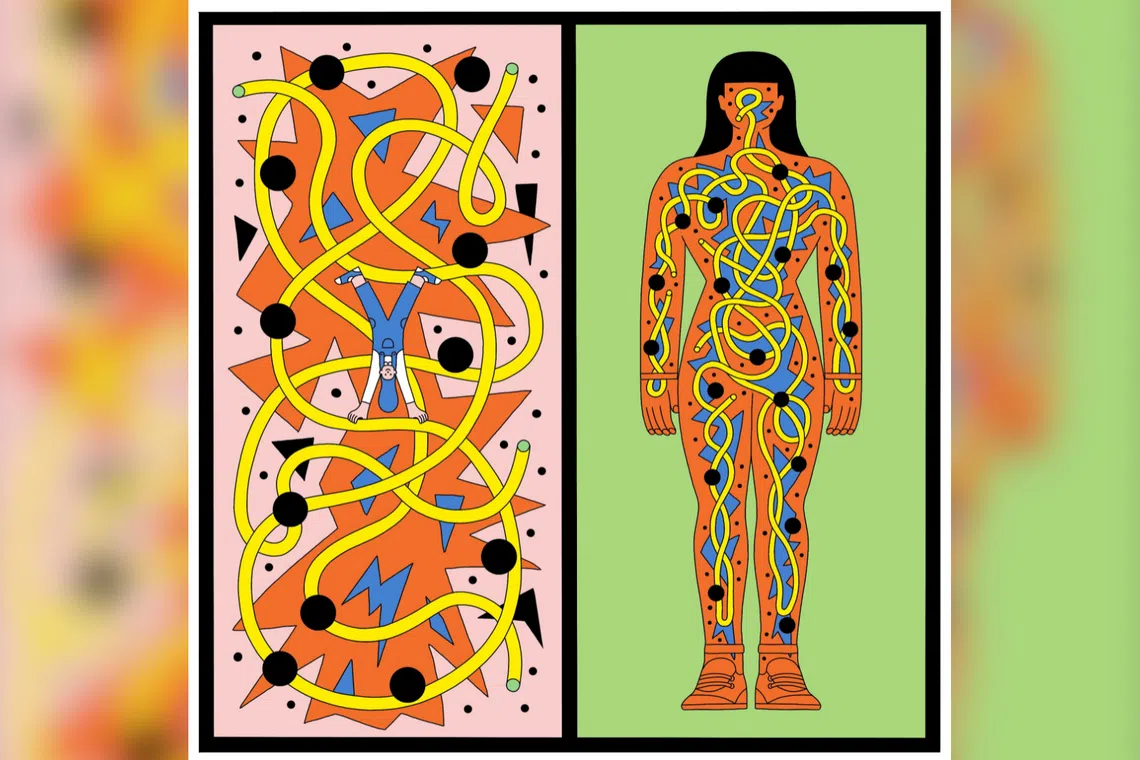
The Straits Times Life recently highlighted that Attention Deficit Hyperactivity Disorder (ADHD) symptoms shift with age, evolving from childhood hyperactivity to adult inattention or combined presentations. This progression, influenced by brain development and environmental factors, requires a re-evaluation of how communities in the Asia-Pacific, including Thailand, design spaces and systems to support neurodiverse individuals.
Traditionally, the visible manifestations of ADHD in children, such as hyperactive-impulsive behaviors, often prompt structured interventions. Yet, as Elizabeth's family manages, the condition persists across generations, its expression changing. For adults, ADHD might present as organizational challenges or difficulty sustaining attention, issues less overtly disruptive but equally impactful on daily function. The source does not detail the specific challenges faced by adults in the workplace or public spaces, but it is implied that these challenges differ from those in childhood. This suggests a need for design strategies that adapt beyond early interventions.
The critical question becomes: does our built environment, and the broader societal infrastructure, work for people whose cognitive processes are not static? If symptoms can 'emerge, disappear and evolve,' as reported by The Straits Times Life, then static solutions are inherently inadequate. Consider the design of educational institutions or workplaces: often optimized for a neurotypical standard, they may inadvertently exacerbate the inattentive aspects of adult ADHD. An opinion piece in the South China Morning Post (2022-12-03) suggests neurodiverse talent remains an untapped resource across the Asia-Pacific, implying a societal cost to unaddressed needs.
A common counterargument is that individuals must adapt to existing structures, developing coping mechanisms or utilizing personal tools like medication and organizational aids, as Elizabeth's family does. This places the onus on the individual. However, an environment designed with flexibility and varied stimuli — offering both quiet zones and collaborative areas, or adjustable lighting and soundscapes — could reduce the cognitive load for those with ADHD. Such an approach moves beyond mere accommodation to genuine integration.
The constraint that remains unresolved is the systematic integration of evolving neurodiversity considerations into regional design standards. Until environments are conceived with an understanding of these shifting needs, the full potential of neurodiverse populations will remain constrained by static spaces.
Sources
Newsletter
Pacific Daily
A curated briefing from Thailand, Asia-Pacific and the world.