‘Momnesia’ and the enduring shadow of traditional roles
A scientific finding on memory and pregnancy reveals more than biology; it highlights persistent cultural expectations for women in the Asia-Pacific.
SINGAPORE
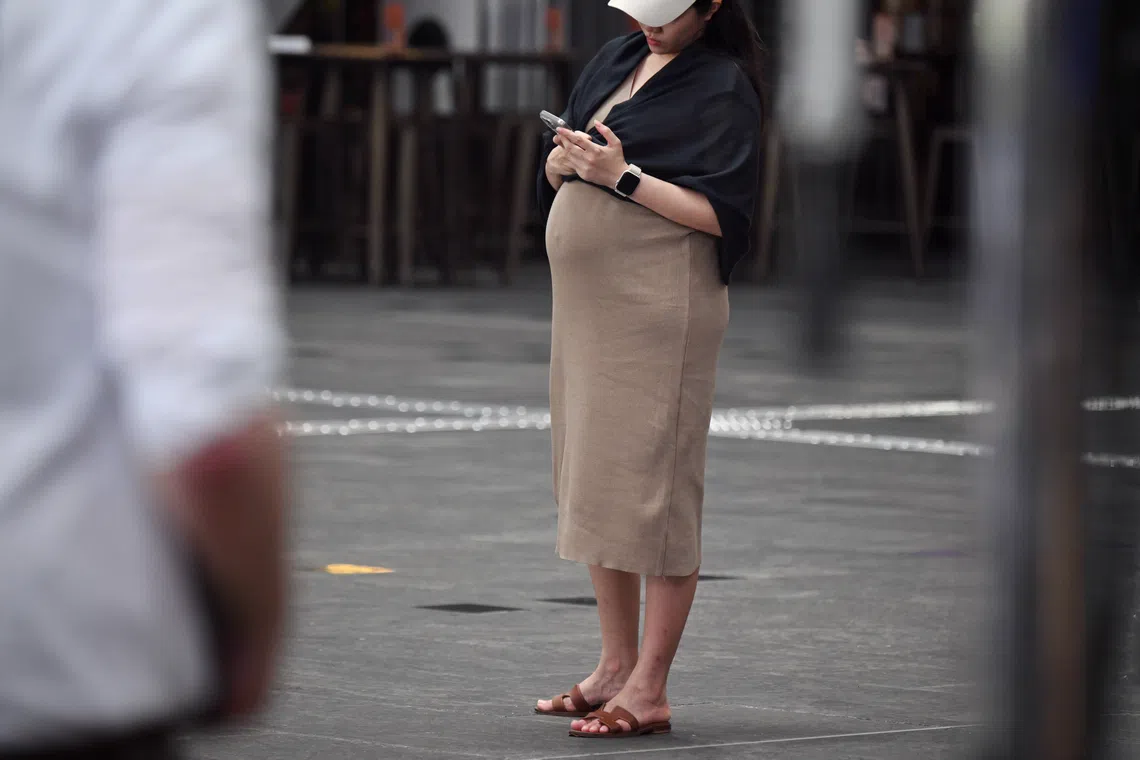
The reported phenomenon of “momnesia,” a temporary memory impairment experienced by many pregnant and postpartum women, has gained recent scientific attention. A study, featuring in The Straits Times Life on September 21, 2026, details findings from mouse studies suggesting high estrogen levels disrupt brain circuits responsible for memory. While human tests showed memory decline correlating with estrogen levels, direct causal proof in humans is not yet established.
This scientific inquiry, however, transcends the purely biological. The very term “momnesia,” colloquial and widely understood, points to a societal narrative that women, particularly mothers, are expected to bear, and sometimes to shrug off, a unique set of challenges. Eight in 10 pregnant women reportedly experience this memory impairment, which is most evident in late pregnancy and the postpartum period, dissipating after childbirth. This widespread acknowledgement, even before precise scientific backing, suggests a cultural expectation that mothers inherently become less 'sharp' in their cognitive functions, an expectation often dismissed as anecdotal or simply part of the maternal experience.
The unspoken burden
The cultural context of such a widespread, though temporary, cognitive shift deserves closer examination, particularly across the Asia-Pacific. In many societies here, the societal roles assigned to women, especially around child-rearing, remain deeply entrenched. The expectation to manage household, family, and often professional responsibilities concurrently with the physical and mental demands of pregnancy and new motherhood is immense. A temporary memory lapse, however scientifically explained, can be perceived as a personal failing rather than a physiological event, exacerbating the pressure on new mothers.
This tension is particularly visible in regions like Thailand, where family structures often rely heavily on women for domestic and childcare duties. While the study points to a physiological basis for memory issues, the public discourse around “momnesia” risks reinforcing stereotypes about women’s intellectual capacity during a crucial life stage. If such a condition is seen as an inevitable, perhaps even endearing, aspect of motherhood, it could subtly deter women from professional advancement or leadership roles during their child-bearing years. It could also lead to a cultural normalization where a woman's temporary cognitive shifts are not adequately accommodated or understood by employers and partners.
The scientific pursuit of understanding “momnesia” is valuable. Yet, the broader implications of its societal recognition highlight how deeply cultural beliefs shape the interpretation of biological realities. It reminds us that while biology may explain a temporary state, culture often dictates its lasting impact on an individual’s identity and opportunities. The challenge lies in ensuring that scientific clarity does not inadvertently deepen existing societal biases against mothers.
Sources
Newsletter
Pacific Daily
A curated briefing from Thailand, Asia-Pacific and the world.