The Individual's Price: Bespoke Luxury and the Limits of Emotion in Asia
A shift in luxury consumption reveals a tension between stated desire and underlying market forces.
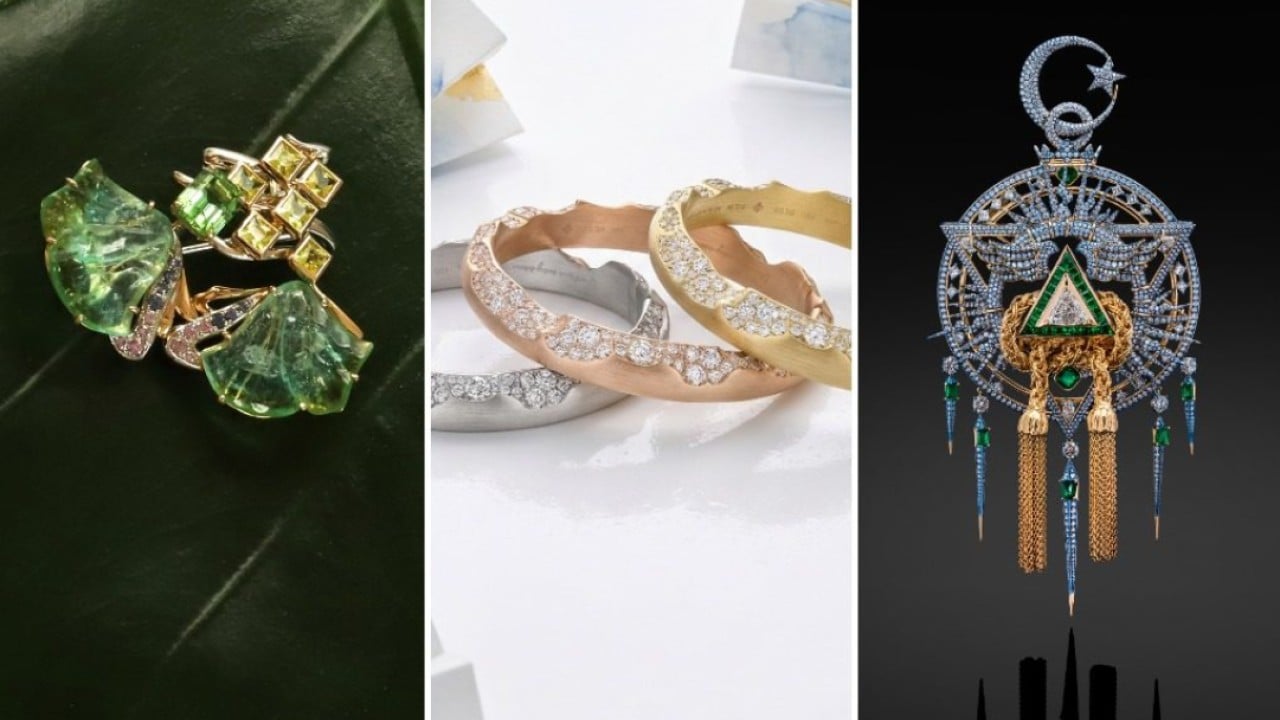
SINGAPORE
The reported rise of bespoke jewellery in Asia, alongside similar trends in wealth management, signals a subtle but significant reorientation within the luxury sector. It is not merely a preference for customisation, but a stated demand for 'emotional connection' that now purportedly drives luxury brand desirability in both the US and China. This claim, attributed to the Business of Fashion’s “Face to Face with Luxury Clients” report, posits emotion above craftsmanship, heritage, or logo recognition as the primary motivator.
Yet, the enthusiasm for bespoke offerings, from jewellery to financial solutions for ultra-high-net-worth (UHNW) families in Asia, presents a tension. While consumers may voice a desire for individual expression and connection, the market responds with tailored services that are inherently exclusive. This is not a collective movement; it is a segmentation, catering to those for whom 'wearing what everyone else is wearing' has become an insufficient marker of status. The very act of seeking bespoke, by definition, delineates a boundary.
The emphasis on 'emotional connection' as the number one driver is notable. In a market historically characterised by brand prestige and visible markers of wealth, a shift towards internalised value suggests a maturing consumer base. However, it also raises questions about the practical application of such a driver. Can 'emotional connection' be consistently delivered and sustained through a product or service, or does it serve as a more palatable justification for high-end consumption? The bespoke market thrives on individual requirements, a direct contrast to mass production. This implies a significant investment in time and resources from both producer and consumer, further entrenching its exclusive nature.
Indeed, the concept of bespoke services for UHNW families, as reported by the South China Morning Post, extending beyond private banking, suggests that 'emotional connection' may manifest as a highly personalised, confidential, and complex service offering, rather than a purely sentimental attachment to an object. Rolls-Royce anchoring its Asian luxury presence in Seoul indicates that centres of affluence are adapting to these nuanced demands. The stated driver of 'emotional connection' may be a proxy for a desire for control, for distinction, and for a level of service that transcends the merely transactional. It is a refinement of status, articulated through individual terms.
While the narrative champions individual expression, the underlying mechanism is still one of distinction through acquisition. The market is not democratising luxury; it is evolving its stratification. The bespoke trend, therefore, is not an emotional revolution but a sophisticated recalibration of exclusivity, where the ultimate expression of individuality is still mediated by commercial offering.
Sources
Newsletter
Pacific Daily
A curated briefing from Thailand, Asia-Pacific and the world.