New Zealand's RMA Repeal: Economic Growth Claims Versus Environmental Protection Risks
The replacement of the Resource Management Act is presented as a catalyst for infrastructure development, but the shift demands scrutiny over environmental trade-offs, particularly for Asia-Pacific nations considering similar policy directions.
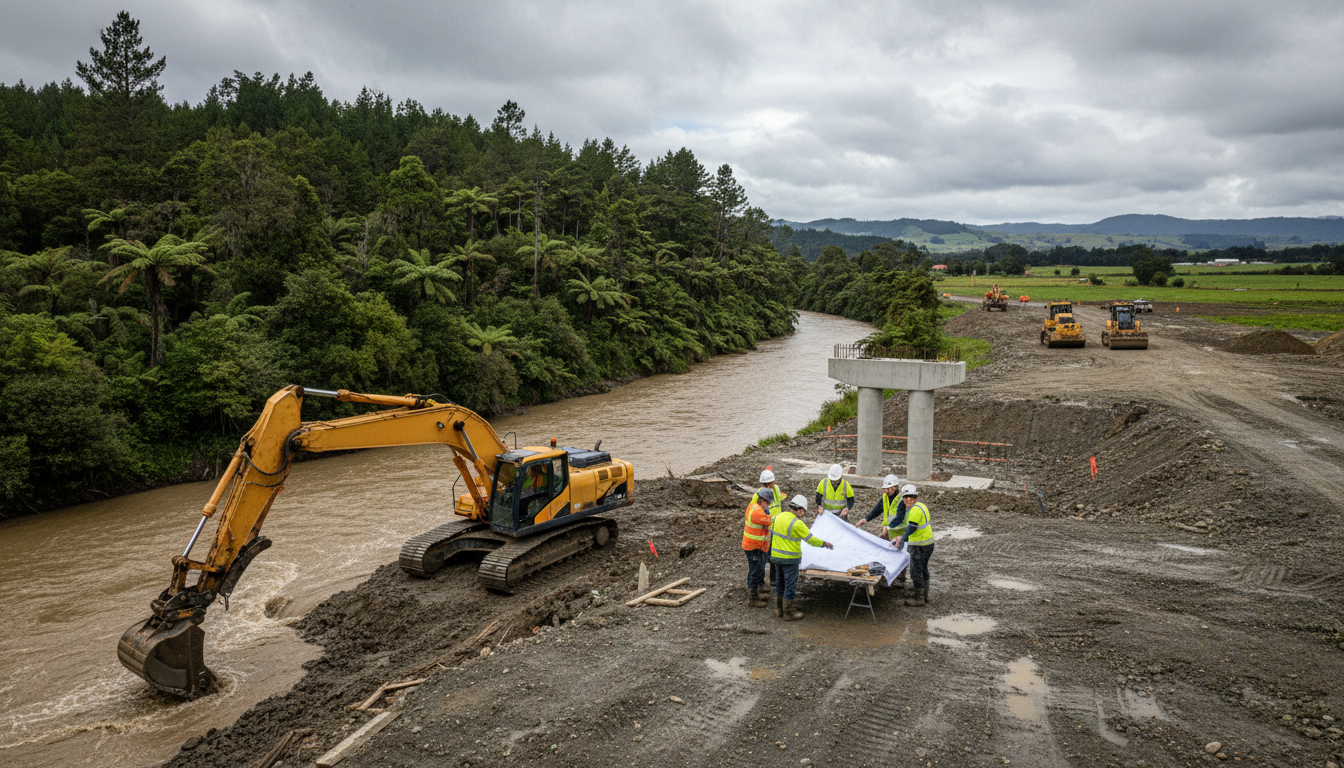
The New Zealand Parliament has passed two new laws, the Planning Bill and the Natural Environment Bill, effectively replacing the Resource Management Act (RMA). This legislative shift, enacted on 2026-09-22, marks what the government describes as "the most significant overhaul" of the nation’s planning system in over three decades. The stated objective is to streamline infrastructure development, making it “easier, faster and more affordable.” RMA Reform Minister Chris Bishop asserted that the previous RMA had "stifled economic growth," and the new framework is intended to restore "freedom for New Zealanders to shape” their environment.
This move by Wellington warrants examination, particularly for its implications across the Asia-Pacific. The core argument for replacing the RMA rests on an assumed causal link: that the previous regulatory regime directly impeded economic expansion, and its removal will unlock latent economic potential. The government's claim that the reforms will make building infrastructure more efficient and cost-effective suggests a focus on reducing regulatory burdens and accelerating project approvals. This aligns with a global trend among governments to prioritize economic stimulus through large-scale development projects, often under the banner of national progress and competitiveness.
However, a critical perspective emerges from opposition parties, who warn that the changes could render the system "more unworkable" and "dilute environmental protections." This counter-claim suggests a tension between the stated economic benefits and potential ecological costs. The original RMA was a comprehensive framework designed to manage natural and physical resources. Its replacement by two distinct bills — one for planning, one for the environment — introduces a structural change that could, as critics suggest, lead to fragmented oversight or a diminished focus on environmental safeguards in favor of development.
For Thailand and other nations in the Asia-Pacific region, New Zealand’s experience offers a case study in balancing development imperatives with environmental stewardship. Many countries in the region face similar pressures to boost economic growth through infrastructure, while simultaneously confronting the impacts of climate change and biodiversity loss. The narrative from Wellington emphasizes the economic gains of regulatory reform, yet the potential for "diluted environmental protections" introduces a significant limitation to this argument. Without clear, quantitative measures of how environmental outcomes will be maintained or improved under the new laws, the assertion of a net positive impact remains an attributed claim from the government.
The real impact will hinge on the implementation details of the Planning Bill and the Natural Environment Bill. Specifically, the mechanisms for environmental impact assessment, public consultation, and enforcement under the new framework will determine whether the reforms achieve their economic objectives without incurring irreversible environmental damage. If the new system fails to adequately integrate ecological concerns into development planning, the economic gains might be offset by long-term environmental degradation, creating new challenges. The outcome now depends on the specific regulatory directives that will guide this new legislation and the accountability mechanisms embedded within it.
Ultimately, New Zealand's policy shift presents a high-stakes experiment. The government’s confidence in its economic benefits contrasts sharply with opposition concerns about environmental compromise. For external observers, particularly in economies facing similar development pressures, the numbers will be critical: specifically, whether the promised infrastructure acceleration materializes and, crucially, whether the integrity of New Zealand’s natural environment is demonstrably maintained in the years following this legislative change.
Sources
Newsletter
Pacific Daily
A curated briefing from Thailand, Asia-Pacific and the world.