Germany's Megaturbine Signals Shifting Power Dynamics in Renewable Energy
A 365-meter wind turbine in eastern Germany demonstrates an escalating scale in renewable infrastructure, challenging prevailing assumptions about resource access and technological feasibility for nations like Thailand.
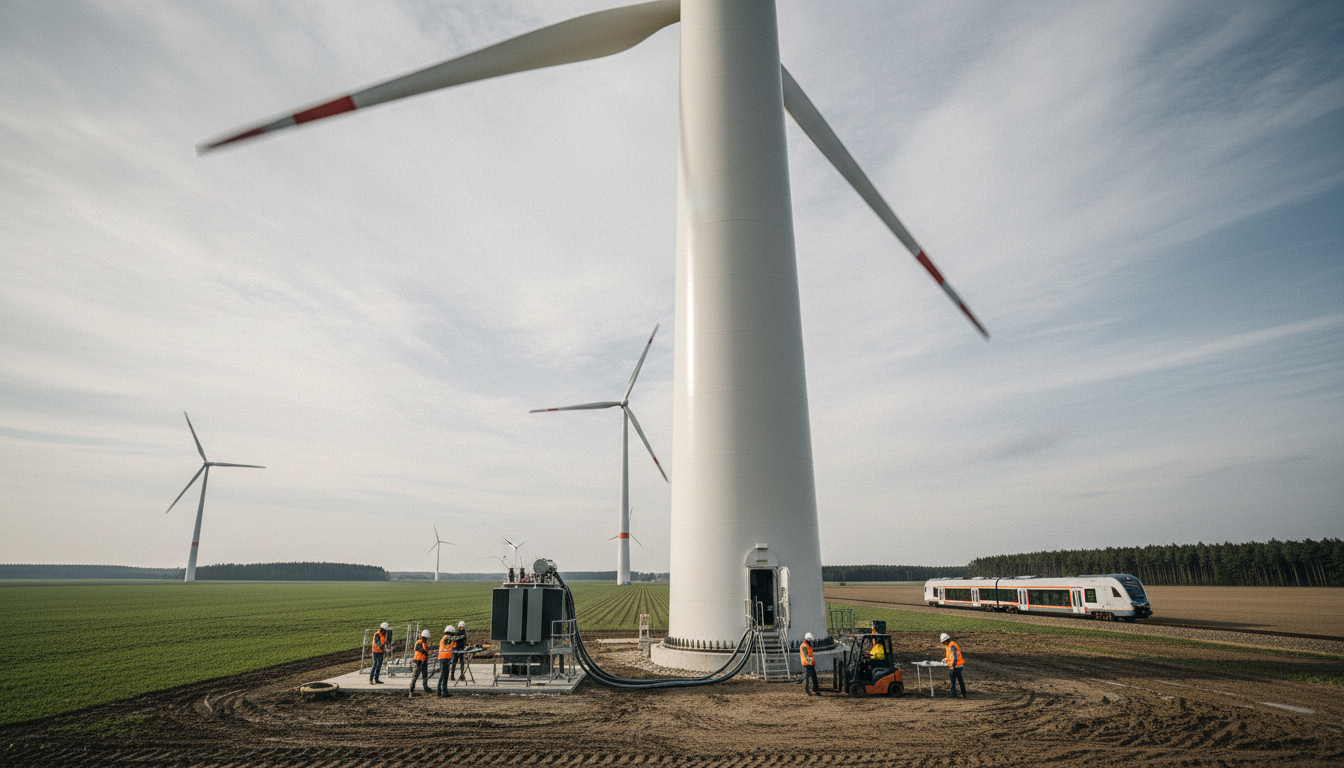
A wind turbine described by its developer as the world’s tallest now rises 365 meters above the sparsely populated landscape of eastern Germany, surpassing the height of the Eiffel Tower. This prototype, built at an existing wind farm in Lusatia, southeast of Berlin, reached its full height this week and is scheduled for inauguration in mid-November. Jochen Grossmann, chief executive of Gicon, the Dresden-based engineering company, states the structure will harness stronger, more reliable winds.
This development is not merely an engineering feat; it represents a structural shift in how nations approach renewable energy generation. The scale of this turbine, which extracts energy from wind regimes previously less accessible or economically viable, changes the calculus for countries with limited land area or specific wind patterns. Germany, a former major center of lignite mining, has increasingly turned to renewable energy in recent years, illustrating a deliberate policy transition away from fossil fuels. The introduction of such colossal infrastructure suggests an intensified effort to maximize output from existing wind farm locations by exploiting higher altitudes where wind speeds are consistently greater.
For Thailand, a country balancing energy security with environmental goals, this German advancement carries implications. Thailand possesses significant wind resources, particularly in its central plains and coastal areas, but has often faced challenges related to land availability and the intermittency of lower-altitude winds. The investment in turbines of this magnitude, capable of accessing more stable wind conditions, presents a potential pathway for increasing domestic renewable energy contributions without requiring a proportional increase in land footprint. The key structural question for Bangkok is whether the technological and financial investment required for such towering installations can be justified against the long-term benefits of enhanced energy independence and reduced carbon emissions.
However, the deployment of such advanced technology is not without its constraints. The engineering complexity and capital expenditure associated with constructing a 365-meter wind turbine are substantial. While the Gicon turbine aims to boost German electricity production, its prototype status means widespread commercial viability and scalability remain to be fully demonstrated. Furthermore, the logistical challenges of transporting and assembling components of this size, even in relatively accessible regions, are considerable. Countries with less developed industrial infrastructure or more challenging terrains might find the barriers to entry prohibitive.
The structural implication for renewable energy infrastructure is a continued reliance on technological innovation to overcome resource constraints. For the Asia-Pacific region, and Thailand specifically, the successful replication of such projects will depend on overcoming significant financial and logistical hurdles, a challenge that remains unresolved.
Sources
Newsletter
Pacific Daily
A curated briefing from Thailand, Asia-Pacific and the world.