When Border Traffic Evaporates, Local Food Culture Follows
The closure of a twenty-three-year-old Bellingham institution shows how fragile border-reliant foodways become when visiting habits shift
SINGAPORE
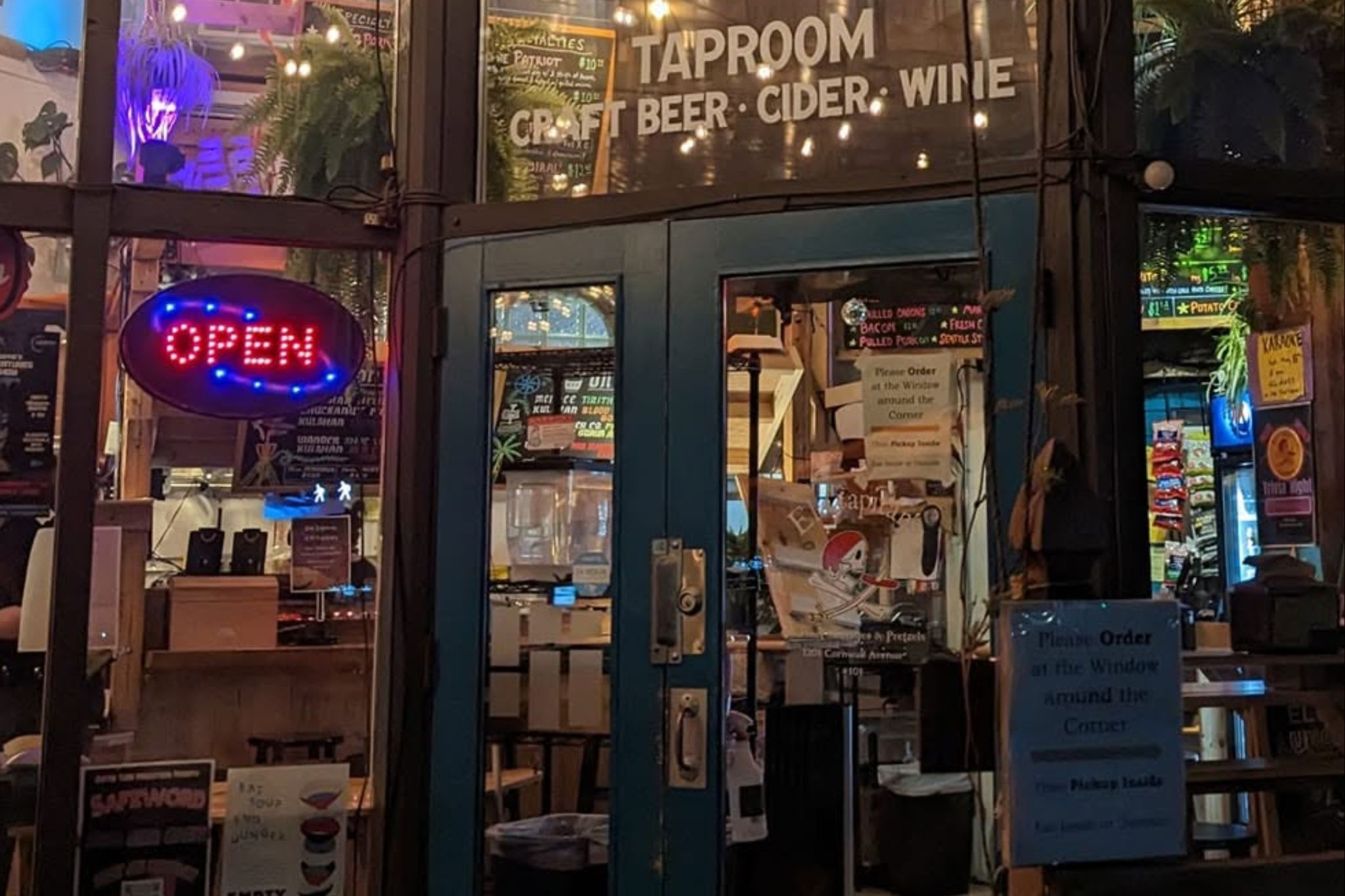
Small culinary counters often rely on informal geographies that cartographers never draw. For twenty-three years, El Capitan’s operated in downtown Bellingham on an unwritten economic rhythm shaped as much by Canadian visitors driving south across the frontier as by its immediate neighbourhood. Establishments of this kind survive because border crossings create secondary commercial habits, turning highway proximity into steady foot traffic for vernacular cooking.
That reliance has abruptly broken. When El Capitan’s scheduled its closure for Dec. 12, 2026, the proprietors noted that an erosion in visits from B.C. played a substantial part in ending their run. While domestic headwinds including rising labour costs, unstable supply costs, and diminished business across the downtown district contributed to the strain, the interruption of regular northern patronage proved fatal. A community effort titled the Save Our Ship Initiative generated brief local momentum, but goodwill could not bridge structural deficits.
The Fragility of Cross-Border Habits
Border towns survive on mutual familiarity, yet their small proprietors face an asymmetry that larger corporate chains easily weather. When border crossing habits contract, peripheral dining spots that specialize in everyday fare bear the immediate penalty. A sausage and hot dog vendor does not hold the fiscal reserves to absorb simultaneous shocks in ingredient sourcing and payroll while waiting for motorists to resume their routines.
In addition to this, the crew of El Capitan’s have worked as hard as we possibly can these last few months to create more incentives to increase business through the Save Our Ship Initiative.
This pattern resonates across any corridor where hospitality hinges on fluid cross-border travel. Across transit nodes and frontier provinces throughout the Asia-Pacific, independent kitchens maintain recipes and informal social spaces only so long as passenger flows remain friction-free. As soon as currency movements, regional inflation, or border frictions discourage ordinary road journeys, the casualties are rarely the highway petrol stations or franchised drive-throughs. The losses fall directly on independent craft kitchens that anchored downtown street life.
What Outlasts the Kitchen
Preservation efforts that emerge in a crisis frequently misdiagnose the underlying failure. Grassroots campaigns can mobilize neighbours for several weekends of supportive patron visits, but they cannot manufacture regular external purchasing volume. A single kitchen requires stable operating conditions rather than sporadic expressions of civic sympathy.
What disappears when a twenty-three-year enterprise shuts down is not merely a vendor, but an informal transit waypoint. Downtown street corridors gradually lose their distinct regional character, replaced either by vacant retail frontage or homogeneous operations that can endure wild swings in global supply chains. When cross-border movement slackens, the border itself grows visibly wider, leaving small towns distinctly colder and noticeably more detached from their immediate neighbours.
Sources
Newsletter
Pacific Daily
A curated briefing from Thailand, Asia-Pacific and the world.