Fine Dining Pedigree and the Quiet Dismantling of the Gratuity Line
A Michelin-trained kitchen veteran brings fixed wages to Vancouver counter service, testing whether dining rituals can outgrow discretionary compensation
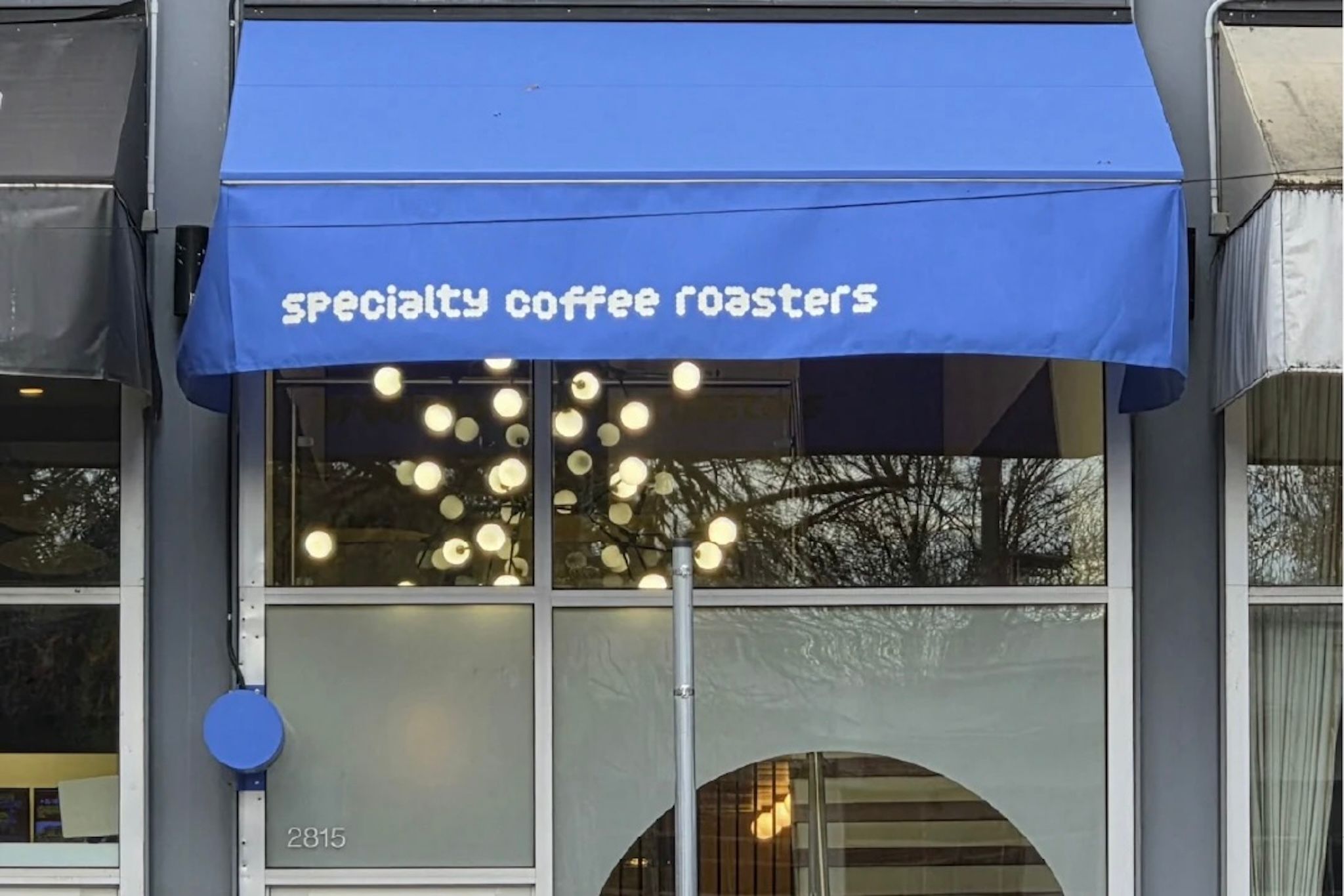
Modern coffee counters typically conduct their commerce through an awkward postscript on a digital payment terminal. Patrons punch through mandatory prompts, guessing at the financial viability of the person steaming milk on the other side of the glass. The transaction turns everyday sustenance into an impromptu referendum on service, shifting wage stability onto customer generosity.
That habit met a deliberate challenge in Kitsilano earlier this month when Unveil Coffee Roasters began service at 2815 W. Broadway. Taking over the address formerly occupied by Lumiere Cafe, the establishment operates on a strict no-tip, living-wage structure. The enterprise traces its beginnings to Salt Spring Island, where it emerged in 2025 before incorporating in Vancouver in 2026. Its stated mission describes an effort to rethink how coffee is sourced and shared, setting its sights on both human labor and environmental footprint.
What distinguishes this opening from standard neighborhood expansions is the background of its ownership. Running counter service under an explicit no-tip policy is demanding enough, but introducing techniques shaped in Michelin-starred dining reframes the entire equation. Fine dining has long functioned as the ideological laboratory of hospitality, producing aesthetic standards that gradually trickle down to neighborhood bistros and specialty roasters. Yet high-end gastronomy has also historically relied on unpaid kitchen stages and volatile tip pools to sustain razor-thin margins.
Shifting the Burden of Dignity
Removing the tip prompt does more than adjust price points on an espresso menu. It alters the tacit social contract between patron and worker. Across Pacific trade capitals and major dining centers, hospitality employment has wrestled with unpredictable take-home pay, even as customer check totals climb. By folding payroll costs directly into fixed menu pricing, an operator accepts commercial risk that conventional venues routinely outsource to the diner.
Skeptics often argue that hospitality thrives on performance incentives, insisting that discretionary tipping rewards exceptional attention to detail. In high-volume coffee environments, however, gratuities frequently reflect customer mood or peak-hour foot traffic rather than technical excellence. A barista pulling dozens of single-origin shots during a morning rush rarely commands the individual discretionary leverage enjoyed by a floor captain at an elite tasting menu.
When a kitchen professional trained at the highest global tiers rejects the gratuity mechanism, it highlights a quiet admission. The prestige of the trade no longer compensates for structural insecurity. Urban consumers increasingly express fatigue over escalating digital tip requests for basic counter transactions, creating an opening for models that eliminate the friction entirely.
The Reality of Commercial Insulation
The broader question is whether an independent business can sustain higher fixed overhead when customer budgets tighten. Operating without a gratuity cushion requires consistent retail traffic and pricing power that smaller purveyors struggle to defend over the long term. If base prices rise noticeably above prevailing street rates, consumer sympathy for fair compensation can evaporate quickly.
Still, the emergence of establishments willing to shoulder regularized wages suggests an evolving standard for what ethical retail looks like along the Pacific Rim. Dining audiences often celebrate culinary refinement while ignoring the precarious payroll that makes precision possible. Placing living compensation into the cost of a morning roast strips away that collective blind spot, proving that hospitality either values its workers upfront or leaves them dependent on the loose change of passing strangers.
Sources
Newsletter
Pacific Daily
A curated briefing from Thailand, Asia-Pacific and the world.