The Arithmetic of Survival in Urban Dining
Fourteen years of disciplined kitchen service proved insufficient to outrun the structural cost pressures of Singapore retail space.
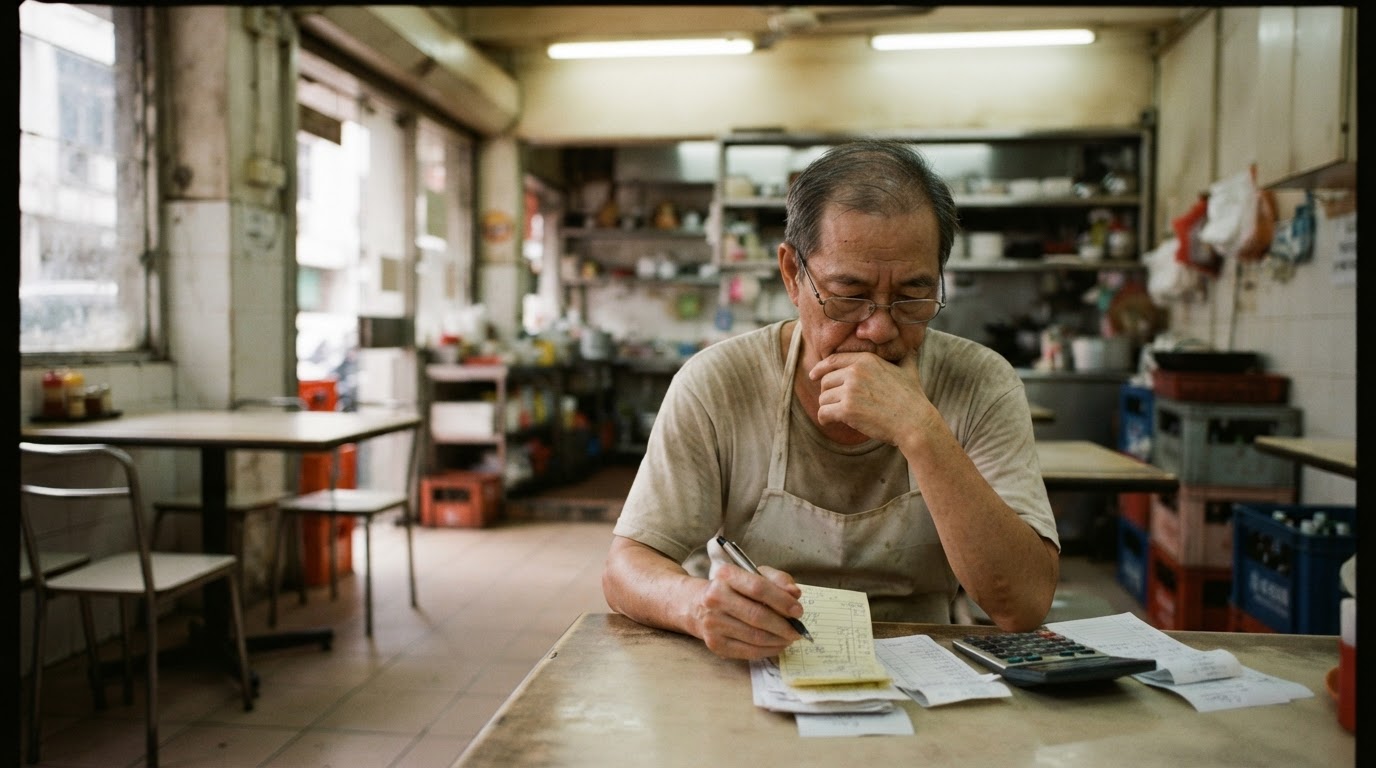
SINGAPORE
Longevity is a deceptive proxy for commercial health. In professional cookery, lasting fourteen years merely indicates an enterprise negotiated several successive lease cycles without defaulting. Now, according to reporting by VnExpress International, the Japanese restaurant Tori King in Singapore will close after fourteen years. Sustaining any specialised concept across that span requires unrelenting station discipline and a reliable base of returning patrons. Yet the exit of an established brand proves that seasoned culinary execution offers no permanent shield against the balance sheet.
Specialised Japanese kitchens operate on punishingly tight unit economics. Producing consistent broth requires hours of gas consumption, precise collagen extraction, and strict inventory controls across double shifts every day. A chef cannot truncate prep times to shave utility expenses without degrading consistency, nor swap core ingredients without immediate diner pushback. Every bowl moving across the pass must absorb raw procurement expenses, utility spikes, and skilled labor before leaving any operational surplus on the table. Over fourteen years, Tori King absorbed those daily pressures, maintaining the delicate balance between bowl pricing and product integrity.
The Real Estate Ratchet
Commercial property dynamics eventually overwhelm kitchen efficiency.
Diners frequently assume that when an institution shutters, the cooking must have faltered or foot traffic drifted away. Novelty inevitably wanes as casual diners chase newer concept openings. Yet minor fluctuations in footfall rarely break an operation with more than a decade of built-in trade. The mortal threat is structural overhead. Commercial landlords regularly reprice square footage against high-yield retail valuations, heedless of a kitchen's actual seat turnover. When ticket prices cannot rise without alienating core clientele, the gap between revenue and rent simply evaporates.
Longevity merely records how many lease renewal cycles an operator navigated before fixed real estate expenses caught up with kitchen margins.
Structural Consolidation
Single-concept restaurants face distinct structural disadvantages against conglomerate dining groups. Corporate operators survive tightening conditions by routing preparation through off-site commissary infrastructure and negotiating bulk shipping contracts directly from Japan. An independent counter carries its entire prep burden on the line, paying retail rates for skilled hands and floor space. Once operational margins compress past a certain point, no amount of station speed can balance the books.
What remains unresolved across Asian commercial districts is whether independent mid-tier dining can survive without corporate dilution. When fourteen years of continuous service cannot secure a kitchen's continuity, the hospitality landscape divides cleanly between industrial fast-casual chains and ultra-expensive tasting counters, leaving authentic craft with nowhere left to cook.
Sources
Newsletter
Pacific Daily
A curated briefing from Thailand, Asia-Pacific and the world.