The Synthetic Appetite of Singaporean Dining
Restaurant menus populated by artificial imagery trade culinary trust for operational speed
SINGAPORE
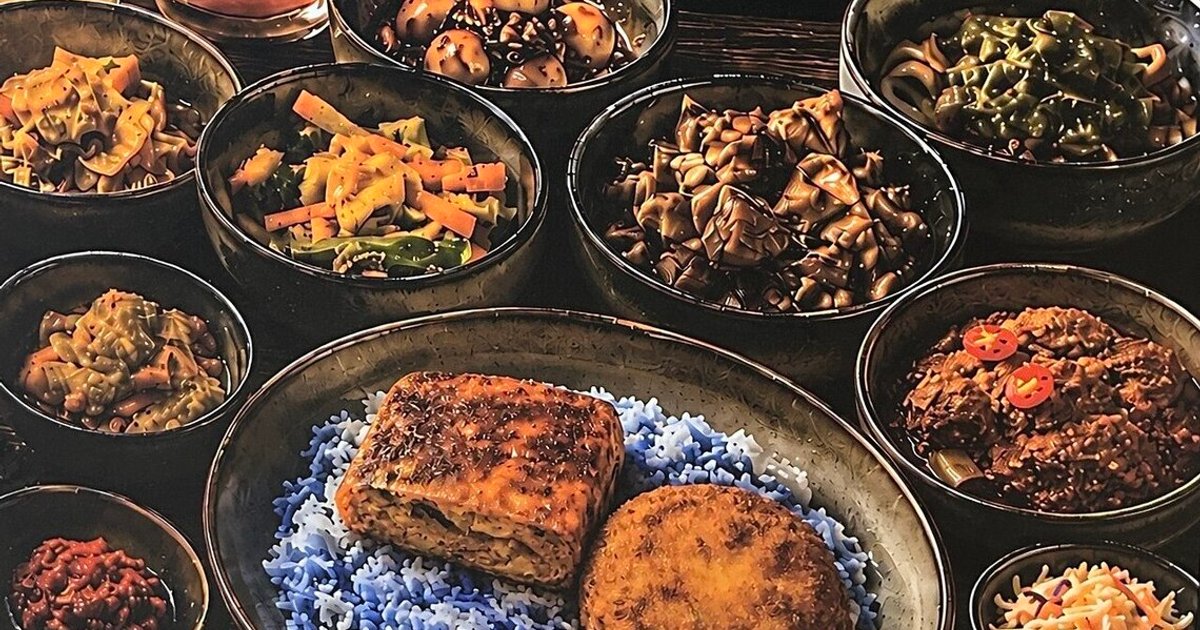
A diner studying a menu plate in Singapore expects a direct record of what left the kitchen counter. In Singapore's competitive dining scene, operators are increasingly substituting camera shoots with synthetic image generators to advertise their dishes. According to restaurant owners, the rationale is primarily operational: promotional campaigns can launch in days rather than weeks, bypassing the considerable expense of traditional studio lighting, food styling, and commercial photographers. Yet this rapid adoption of artificial imagery exposes an acute contradiction in urban dining culture. While software solves an immediate commercial problem of marketing overhead during sector volatility, it threatens the fragile covenant of culinary trust that brings diners to the table in the first place.
Hospitality operators face measurable volatility across the food and beverage industry, pushing kitchens to cut overhead wherever possible. Marketing agencies serving Singapore restaurants report climbing commercial demand for synthetic culinary visuals, adjusting software prompts to ensure promotional plates appear brand-safe and realistic. From an administrative standpoint, the economic argument appears compelling. Bypassing physical photo shoots saves both working capital and operational time, allowing an independent cafe or an operator introducing seasonal menus to market new concepts almost instantaneously. Proponents reason that money saved on production crews can remain invested in kitchen staff and ingredients.
The Friction of Visual Deception
However, diner reactions indicate that appetite does not respond well to computational perfection. While software can generate a slice of cake with clinical symmetry, patrons frequently reject these visuals, registering discomfort at a waxy sheen and expressing immediate suspicion that the actual serving will not match the digital display. What marketing agencies regard as visual polish, diners interpret as synthetic slop. Culinary desire is rooted in tangible human preparation. When algorithmic rendering smooths away the slight irregularities of kitchen craft, it removes the sensory authenticity that makes food appealing.
This gap between software rendering and physical dining carries legal and reputational risks. Industry experts warn that artificial image generation easily crosses into consumer deception whenever software alters real portion sizes or inserts ingredients absent from the kitchen pantry. Hospitality functions on an economy of expectation. When a customer receives a plate that looks smaller or qualitatively different from its generated image, the commercial transaction breaks down into perceived dishonesty.
The Commercial Cost of Synthetic Convenience
The reliance on artificial imagery highlights an uncomfortable development in modern food culture: dining is increasingly treated as promotional digital content rather than physical craftsmanship. Food remains fundamentally material; it cannot be simulated, streamed, or downloaded, and it must ultimately withstand physical consumption. By prioritizing marketing speed over photographic reality, operators risk alienating the very patrons whose loyalty they require to survive industry volatility.
Culinary loyalty in Singapore has never rested on synthetic visual precision. Urban diners return to establishments that offer reliability, ingredient integrity, and honest kitchen execution. While software developers will continue refining algorithms to make simulated dishes look realistic, automated convenience cannot manufacture the authentic appetite prompted by honest food. When restaurants substitute reality with synthetic generation, they may discover that the diners attracted by software disappear the moment physical food arrives on the table.
Sources
Newsletter
Pacific Daily
A curated briefing from Thailand, Asia-Pacific and the world.