Alleyway Geography and the Spatial Economy of Urban Dining
The tactical retreat of dining rooms into service corridors reflects an urban property market where primary street visibility has become an unsustainable overhead.
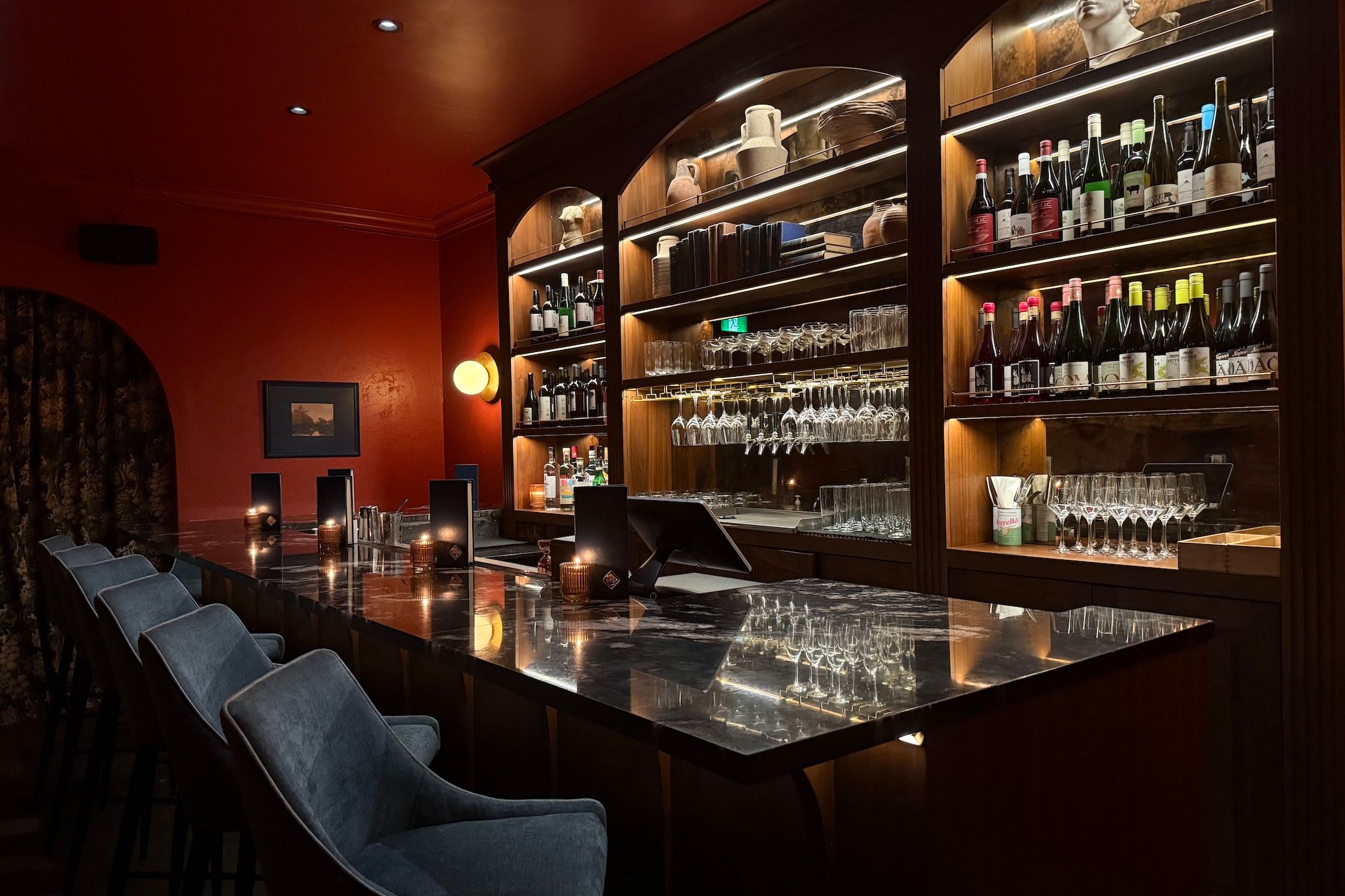
Commercial real estate along metropolitan thoroughfares routinely extracts value from raw exposure. Expansive storefronts command premium valuations because pedestrian foot traffic guarantees steady recognition from passing consumers. Yet when a dining room voluntarily abandons primary avenue frontage to settle inside an alleyway behind an existing sister establishment, the spatial calculus of neighbourhood dining shifts in an instructive direction. In East Vancouver, the planned return of tapas bar Pax Romana behind Loula’s Taverna near the corner of Commercial Drive and Graveley Street demonstrates how hospitality groups navigate contemporary urban density. The move reveals a quiet transition in how food culture occupies city space.
Founded in 2023 by the Ionian Hospitality Group, known as IHG, Pax Romana operated as a neighbourhood venue serving small plates, aperitivi, and wine before closing its initial doors in July. Rather than securing an autonomous commercial footprint along the main commercial strip of Little Italy, the hospitality operator elected to position the business behind its existing taverna, assigning it a dedicated entryway in the alleyway. On the surface, this arrangement presents itself as a stylish design choice, borrowing the secluded charm long associated with tucked-away drinking dens. Fundamentally, however, the manoeuvre reveals how mounting urban property pressures compel hospitality operators to double down on existing footprints, transforming operational consolidation into staged intimacy.
The Architecture of Spatial Consolidation
Secondary entranceways and alleyway activations reflect an evolving containment model within dense metropolitan centres. When a single holding entity nests two distinct dining operations within one unified property parcel, administrative and leasing redundancies diminish significantly. Shared back-of-house logistics, dual utility connections, and unified supply lines offset the friction of municipal overhead and inflated square-footage rents. The business circumvents the steep financial penalty of holding an independent street address while retaining the perception of an autonomous establishment. What reads to the dining public as atmospheric discretion functions behind the scenes as strict balance-sheet defence.
The consumer, meanwhile, is invited to read this architectural retreat as deliberate exclusivity. Mainstream retail strips increasingly belong to heavily capitalized enterprises capable of absorbing rising commercial rents. Smaller boutique hospitality ventures must either accept peripheral suburban zones or retreat into secondary infrastructural pockets: back lanes, utility corridors, and service alleys. A dedicated entrance positioned off Graveley Street in an alleyway signals a notable evolution in customer habit. Dining rooms no longer depend on passive street footfall to fill tables; patronage now depends on pre-existing digital discovery, deliberate intent, and coordinated navigation.
Commercial Pragmatism and Public Space
Sceptics might argue that secondary entrances simply reflect organic neighbourhood maturation. Dense municipal enclaves have frequently sustained layered laneway economies without requiring structural critiques of commercial lease environments. Commercial Drive has sustained generational immigrant enterprise precisely by adapting modest domestic spaces, communal pathways, and secondary corridors into active social nodes. Consolidating concepts under a single corporate umbrella could merely represent prudent business practice during macroeconomic instability, maintaining kitchen staffing continuity across related venues while testing operational resilience against rising overheads.
Yet the economic underpinnings of this arrangement remain distinct from traditional community-led street life. Historic laneway activation arose from low barriers to commercial entry, allowing independent venues to experiment with modest operational margins. Modern nested hospitality, by contrast, relies on coordinated corporate portfolios like IHG managing paired concepts to withstand the pressures of prime commercial property. When dining access migrates into an alleyway, it reflects defensive spatial rationalisation paired with a customer base trained to interpret physical retreat as understated sophistication. The quiet preservation of independent dining culture increasingly depends on learning how to vanish from the main avenue without shedding the crowd.
Sources
Newsletter
Pacific Daily
A curated briefing from Thailand, Asia-Pacific and the world.