Vancouver Footfall Meets the Autumn Freeze
Clear skies on Halloween offer brief promotional relief, but near-freezing overnight temperatures expose the fragility of late-season Pacific Rim leisure margins.
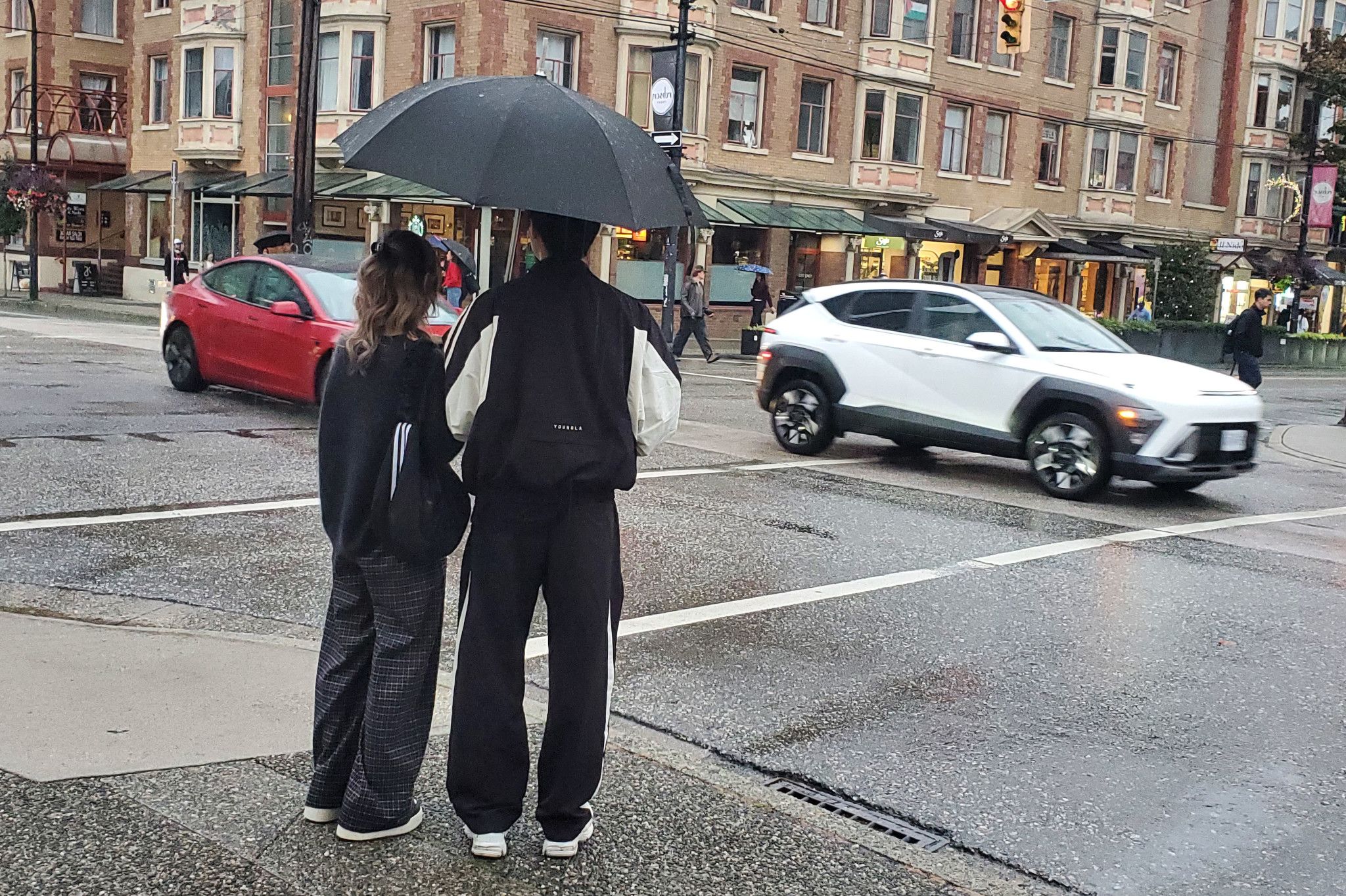
Commercial optimism in seasonal hospitality regularly mistakes the absence of rain for a guarantee of consumer footfall. Marketing materials treat calendar dates as self-executing commercial opportunities, assuming outdoor attendance converts automatically into sales. When late October arrives across the northern Pacific Rim, however, consumer spending patterns encounter physical thermal ceilings.
Consider the operational setup in Vancouver during the final week of October. Regional promotional channels frame the late autumn calendar as an active hospitality window, supported by hotel coverage in national publications like Forbes and local activity schedules spanning Oct. 26 to Nov. 1. Halloween serves as the anchor for this retail push, providing hospitality venues and neighbourhood business associations with a focal point for evening pedestrian flow. According to Environment and Climate Change Canada, the forecast for Saturday, Oct. 31, indicates an absence of precipitation following earlier rainy days, alongside daytime highs reaching 11°C. Commercial commentary routinely treats dry weather as sufficient justification for strong evening circulation.
The Thermal Margin
A critical gap separates daytime conditions from the nocturnal environment where evening events take place. While Environment and Climate Change Canada projects daytime temperatures of 11°C, its forecast models place the overnight low for Saturday, Oct. 31, at 2°C. That thermal drop of nine degrees represents an operational dividing line for open-air retail and food service.
The transition from daylight dry conditions to a 2°C overnight floor alters consumer movement long before formal retail hours conclude.
Economic analysis of urban pedestrian districts demonstrates that ground-level transactions depend directly on dwell time. Pedestrians remain outdoors when ambient conditions permit stationary gathering. When evening air approaches 2°C, consumer behavior logically reorganises around heated enclosures or ends early. Open-air hospitality spaces, street-facing food vendors, and costume-driven community events face acute thermal barriers. Municipal streets cannot be economically heated, and family groups exposed to near-freezing air must add heavy outer layers that suppress spontaneous retail visits. The official weather data confirms clear skies, but analytical scrutiny indicates consumer dwell time contracts sharply under low thermal baselines.
Limits of Promotional Optimism
Tourism marketing frequently equates dry forecasts with ideal trading conditions. Precipitation undoubtedly damages pedestrian traffic, yet thermal compression exerts an equally restrictive operational drag on frontline operators. Autumn travel lists, such as the hotel selections compiled by Forbes, sell seasonal atmosphere while bypassing the staffing vulnerabilities borne by ground-level hospitality. Scheduling labour and stocking perishable inventory for Oct. 31 presents measurable commercial risk when terrace occupancy hinges entirely on a sharp nine-degree swing between day and night.
Skeptics of this assessment could counter that traditional holiday observance functions independently of temperature dips. Community trick-or-treating and family neighbourhood walks proceed even in freezing weather, generating guaranteed volumes of pedestrian presence. That counterargument correctly identifies the cultural durability of holiday customs, but it mistakes foot traffic volume for discretionary purchasing power. Parents escorting children through residential corridors in 2°C weather move quickly between residential checkpoints; they do not linger at street cafes or browse outdoor retail stalls. Commercial operators capture minimal revenue from crowds whose singular operational objective is rapid transit between heated interiors.
Urban leisure models across the Pacific Rim must separate commercial reality from promotional marketing claims. Marketing late-autumn urban destinations purely around dates shifts weather risk entirely onto frontline business owners. The absence of rain on Saturday, Oct. 31, eliminates logistical washouts, but the verified 2°C overnight reality leaves late-season street commerce firmly constrained by pedestrian endurance.
Sources
Newsletter
Pacific Daily
A curated briefing from Thailand, Asia-Pacific and the world.