The Distant Echoes of Canada's Rates in Asia's Urban Rhythms
While North American central banks adjust their stances, the more subtle movements of global capital play out in Bangkok's daily life.
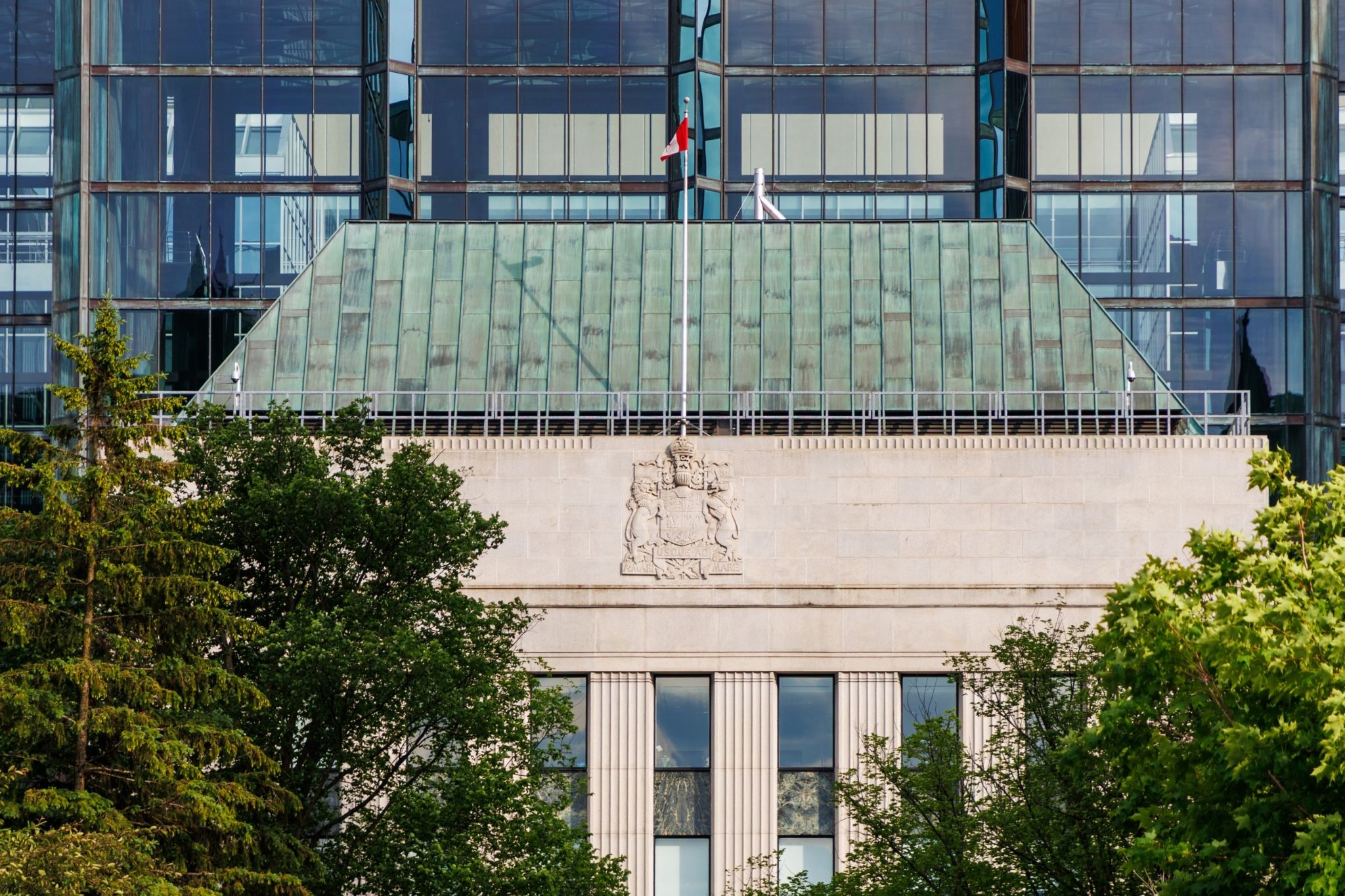
A shift in global financial sentiment, however minor, often registers first in the subtle alterations of daily urban life, long before it appears in official statements. One such signal might be observed in the changing pace of construction, or the quiet reassessment of investment in new ventures that rely on readily available funds.
The Bank of Canada’s recent decisions illustrate this dynamic. In July, Canada’s central bank maintained its key interest rate at 2.25 per cent, having cited “signs of improvement” in the economy and an expectation for inflation to ease. This decision, however, acknowledged “continued risks and uncertainties” tied to the Middle East war and U.S. trade policy. The volatility of the Middle East, specifically its impact on oil prices, was noted as a significant factor influencing the “path for global inflation.” Consumer spending in Canada was observed as solid, with the housing market showing continued weakness. Just two months later, in September 2025, the Bank of Canada cut its rate to 2.5 per cent, stating a readiness to reduce it again if risks escalated. This move followed a Reuters poll predicting cuts and an August inflation rate that rose less than anticipated. The context provided by a BBC report in August 2025 further noted Federal Reserve Chair Powell's statements, which heightened expectations for a U.S. rate cut. However, by June 2026, both BofA and Deutsche Bank anticipated the Fed would raise rates in September.
These seemingly remote shifts carry implications far beyond Canadian borders. For Thailand and the broader Asia-Pacific, the Bank of Canada’s adjustments, particularly in the context of fluctuating oil prices and the Middle East conflict, underscore an underlying uncertainty. A more stable global economic environment, often signaled by central banks’ confidence in growth and managed inflation, encourages foreign direct investment and supports export-oriented economies like Thailand’s. Conversely, an environment of perceived risk can lead to capital flight or reduced investment flows, affecting everything from infrastructure projects to the cost of local borrowing.
The stated readiness of the Bank of Canada to cut rates further if risks increase could be interpreted as a cautionary stance. Such a posture, especially if mirrored by other major central banks, might indicate a collective apprehension regarding economic stability. This sentiment can ripple through international markets, influencing currency valuations and the cost of international trade and finance for Asian nations. The persistent weakness in the Canadian housing market, despite solid consumer spending, reflects domestic economic fragilities that could become more pronounced globally, impacting demand for exports from the Asia-Pacific region.
While the direct impact might not manifest as immediate, dramatic shifts, the subtle changes in investment patterns, the adjusted risk appetites of international lenders, and the fluctuating cost of global commodities all coalesce. The distant movements of central banks like Canada's, therefore, do not merely represent domestic economic policy; they contribute to the global financial currents that shape the very landscapes and opportunities within Asia's vibrant urban centers.
Sources
Newsletter
Pacific Daily
A curated briefing from Thailand, Asia-Pacific and the world.