The Allure of the Fleeting: Examining Vancouver's Seasonal Culinary Economics
How a simple pumpkin patch in Canada illuminates broader trends in Asia's seasonal consumer engagement.
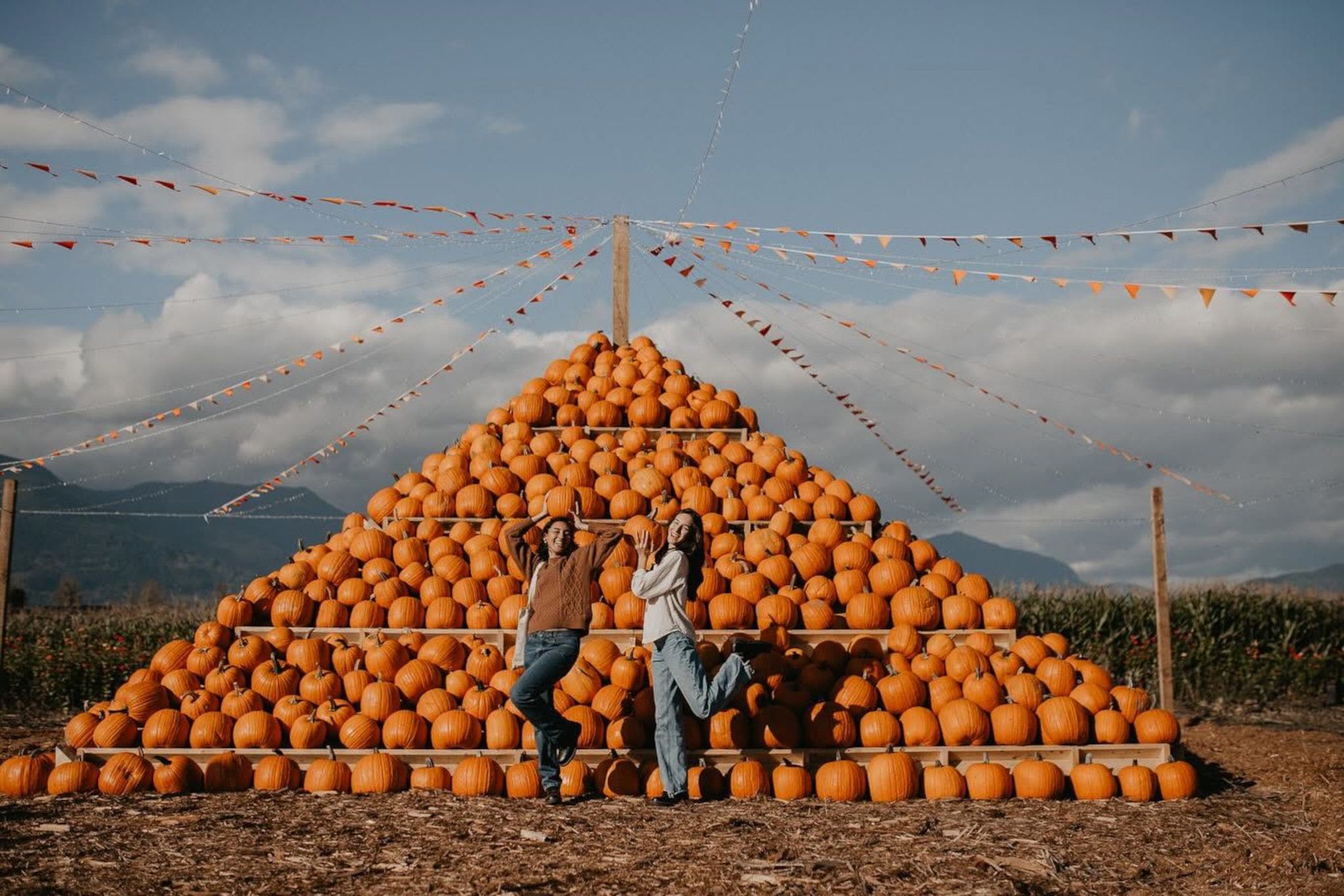
Daily Hive Vancouver recently highlighted 13 pumpkin patches in the Lower Mainland, presenting them as a central element of the 'spooky season' experience. This annual ritual of seeking out gourds, whether for carving or culinary use, points to a specific economic model built around transient experiences and seasonal demand. The framing of these patches as 'worth the drive' and encouraging consumers to 'get in the fall spirit' underscores the deliberate cultivation of a leisure activity that leverages a natural cycle.
This pattern of marketing and consumption, focused on time-limited, experience-driven activities, holds relevance for food and tourism sectors across Asia-Pacific. The core technique involves transforming a readily available agricultural product – the pumpkin – into a destination event. The cost to sustain this model is primarily in generating artificial scarcity or heightened demand for a commonplace item through curated experiences. While the pumpkins themselves are grown, their commercial value is amplified by their association with a 'season' and the recreational acts of 'picking' and 'carving.' This contrasts with traditional agricultural markets where value is often tied to year-round availability or intrinsic quality for consumption.
The counterargument posits that this is merely a niche, Western cultural phenomenon, disconnected from the diverse agricultural and seasonal practices in Thailand or other Asian nations. Indeed, many Asian cultures possess deep-rooted, traditional seasonal festivals and specific produce associated with them. The difference, however, lies in the deliberate commercial packaging of a ubiquitous crop into a 'must-do' recreational outing, rather than an organic outgrowth of an existing tradition. The Vancouver example suggests a proactive creation of seasonal demand, not just a response to it.
While Forbes has, across several years (2018, 2019, 2022, 2025), consistently showcased Vancouver's luxury hotels like the Fairmont Pacific Rim for various attributes, from its views to its bathrooms and stylish suites, these offerings represent a different tier of consumer engagement. The pumpkin patches cater to a broader, family-oriented demographic seeking accessible, experiential leisure. The common thread is the curated experience, whether it is high-end accommodation or a day trip to a farm.
The constraint that remains unresolved is how this model translates to economies where year-round agricultural production is the norm, or where 'seasonal' produce is less about a recreational search and more about dietary staple availability. Applying the pumpkin patch model in regions like Thailand would require careful consideration of existing cultural practices and the economic implications of elevating a common crop to a leisure commodity. The question is not whether the technique of creating seasonal demand is possible, but what cultural and economic costs it entails to sustain it beyond imported novelty, and how it might reshape local perceptions of agricultural value.
Sources
Newsletter
Pacific Daily
A curated briefing from Thailand, Asia-Pacific and the world.