The Lineage Premium
Singapore’s Shisen Hanten stages an intergenerational dinner, testing whether familial hierarchy can still anchor commercial dining.
SINGAPORE
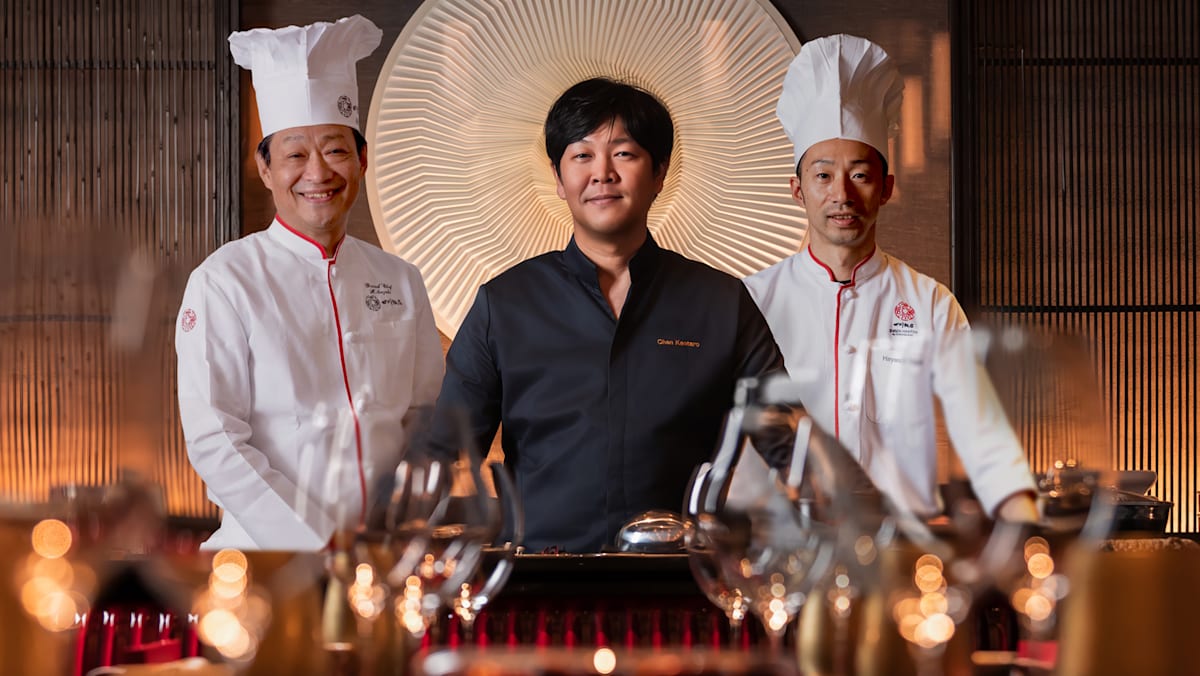
Commercial kitchens operate on strict discipline. High-end hospitality, by contrast, sells domestic warmth. That operational friction surfaces clearly at Shisen Hanten in Singapore, where Hiroaki Suzuki, Chen Kentaro, and Yuya Hayashi staged a generational dinner in 2026. The documented trajectory is striking. Hiroaki Suzuki acquired his Japanese-Sichuan culinary methods under the restaurant's founder, Chen Kenmin, before later mentoring the founder's grandson, Chen Kentaro. On the pass, this narrative offers an appealing lineage. In structural terms, it suggests a far more precarious reality: artisanal pedigree rarely travels across borders without severe institutional strain.
Reproduction of craft demands decades of uncompensated loyalty. When Chen Kenmin formulated Japanese-Sichuan dining in Japan, the technical model required translating regional mainland recipes into domestic Japanese kitchen systems while enforcing strict culinary hierarchy. Preserving such execution across subsequent eras requires rare labour retention. Suzuki instructing his future executive indicates that technical proficiency inside craft kitchens frequently runs counter to commercial equity. Kentaro holds legal ownership. Yet the preservation of the core culinary formula clearly relies on veteran technicians who maintain the stove work.
The Cost of Continuity
Elite kitchens face compounding friction when operating abroad. Exporting a Japanese-Sichuan kitchen framework from Japan into Singapore brings elevated real estate expenditure, intricate supply procurement, and persistent hiring bottlenecks. Technical stability cannot survive on corporate kitchen manuals alone. The enterprise visibly depends on human vessels like Suzuki and Hayashi. Without their physical oversight, documented procedures risk collapsing into routine hospitality performance.
Technical authority inside an artisanal kitchen often flows in reverse of commercial ownership.
Commercial cynicism offers an obvious objection here. Special commemorative banquets serve primarily as promotional vehicles designed to extract substantial seat prices from affluent urban diners. High-end restaurant groups frequently leverage patriarchal heritage to insulate themselves against erratic customer demand. That criticism carries weight. Pedigree functions as an effective commercial buffer against shifting consumer habits. Even so, dismissing the arrangement as simple public relations ignores an acute operational bottleneck. Formulations are easily transcribed. Kitchen timing, palate adjustment, and heat regulation cannot be filed into a corporate handbook.
Succession Beyond Bloodlines
Bloodline preservation eventually encounters demographic limits. The inclusion of Yuya Hayashi beside Suzuki and Chen Kentaro points toward an inevitable operational pivot away from pure dynastic succession. When core execution relies entirely on aging master technicians, the broader business remains exposed to staff attrition. Decades-long apprenticeships are no longer sustainable in contemporary labour markets. Consequently, traditional heritage brands face steadily diminishing pools of qualified junior kitchen staff.
Whether this tripartite kitchen structure can protect its operational margins without compromising technical execution remains an open question. Singapore provides an active market for regional dining, yet commercial guests evaluate the plate rather than ancestral reputation. Culinary continuity requires proving that kitchen precision can outlast the individuals who originally mastered the flame.
Sources
Newsletter
Pacific Daily
A curated briefing from Thailand, Asia-Pacific and the world.