A Digital Afterlife: How Institutions Shape Memory in Asia
An exhibition in Hong Kong points to a new way cultural icons are being remembered and curated.
SINGAPORE
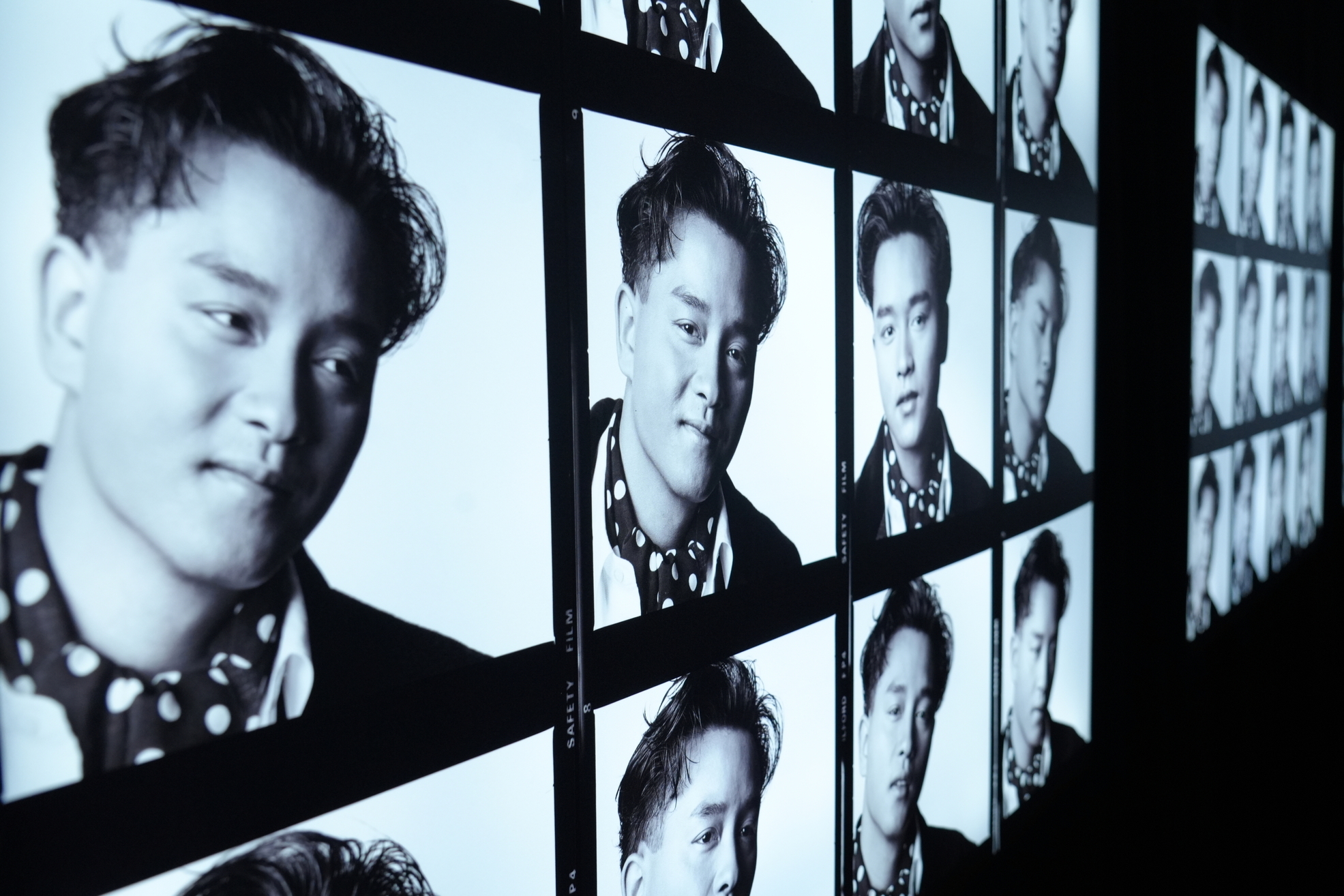
The Hong Kong Design Institute (HKDI) exhibition, as reported by Time Out Hong Kong on September 18, 2026, aims to pay tribute to Leslie Cheung. This institutional embrace marks a shift from more private forms of remembrance to organized cultural curation, detailing an engagement with rare photographs and 'immersive experiences'. Cheung, an actor and singer, maintained a notable presence in Asian popular culture, and his passing was widely reported at the time. His status as 'Asia's gay icon' has been noted, as reported by BBC on April 8, 2018, fifteen years after his death. The focus on specific experiences and carefully selected images suggests a deliberate approach to preserving his legacy.
This method of tribute, decades after his death, contrasts with the organic, often fan-driven memorials common in earlier periods. Where the memory of a public figure might once have been sustained through less formal means, it now appears that public memory is increasingly mediated by professional cultural bodies. This move, from spontaneous veneration to structured, immersive exhibitions, signals a broader trend across the region. Cultural heritage, even that of popular artists, is being actively constructed and managed, not merely observed.
The question remains whether such institutional curation truly preserves the original essence of an icon, or if it reframes their narrative for a new audience. This reframing might distil complex lives into formats designed for contemporary consumption. While the exhibition intends to honor Cheung’s enduring appeal, it also highlights how cultural legacy is transmitted across generations. The emphasis on 'rare photos' and 'immersive experiences' suggests a response to current consumption patterns, prioritizing sensory engagement. This approach, while ensuring visibility, may subtly alter the nature of the preserved memory, shifting it from a lived cultural experience to an exhibit of recent history.
For Thailand and the wider Asia-Pacific, this means cultural institutions are increasingly becoming arbiters of public memory. They select and present icons through frameworks aligned with current exhibition practices and audience expectations. This approach can ensure longevity and access to cultural figures. However, it also carries the risk of sanitizing or reinterpreting legacies to fit contemporary narratives, potentially departing from a nuanced reflection of an artist’s original impact and context.
Sources
Newsletter
Pacific Daily
A curated briefing from Thailand, Asia-Pacific and the world.