A Seoul-Hong Kong Alcohol House Closure Highlights Distribution Fragility
The sudden end for Obp, a Soho establishment, raises questions about supply chain resilience for specific regional products, not just consumer demand.
SEOUL
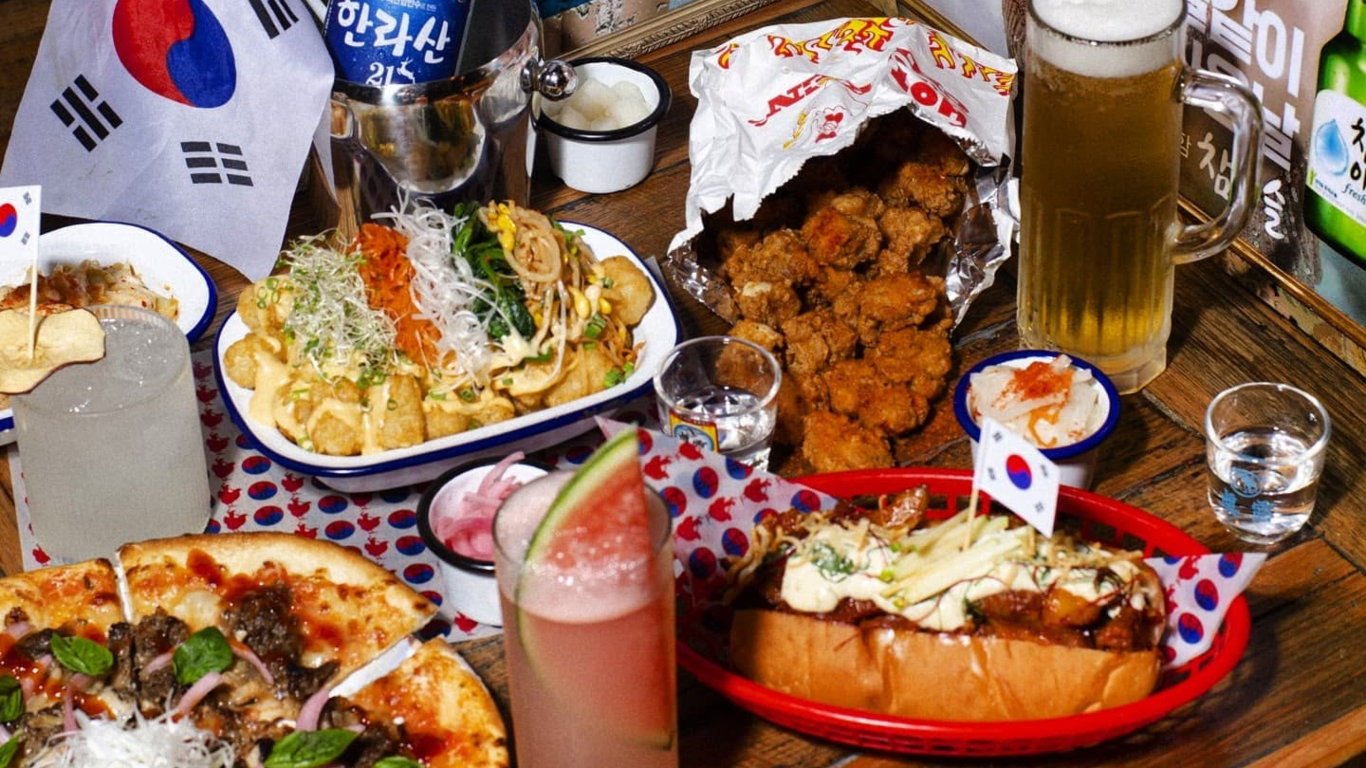
The announcement that Obp, described as a 'sul jib' alcohol house in Soho, will permanently close on September 19, marks more than the disappearance of a single venue. It exposes a foundational vulnerability in the sourcing and distribution of specialized products from distinct culinary regions, particularly affecting establishments outside their home territories.
The source material, reported by Time Out Hong Kong on September 18, 2026, notes the closure of this establishment. While the local publication frames the event as a loss for patrons, a deeper examination suggests the challenges extend beyond mere consumer preference or market competition. An 'alcohol house' specializing in 'sul jib' implies a focus on specific Korean alcoholic beverages, which often depend on a dedicated, and sometimes intricate, import infrastructure.
The critical question for any such niche offering, particularly across international borders within Asia-Pacific, is not solely whether there is demand, but whether the supply chain can sustain it. For a Hong Kong venue importing from Seoul, the continuity of supply for a specific range of alcoholic products is paramount. Disruptions, whether logistical, regulatory, or commercial, can directly imperil the business model. The closure of Obp, if predicated on an inability to reliably source its core product range, indicates that the margin on these specialized imports may not adequately buffer against such vulnerabilities.
While the specific reasons for Obp's closure remain undisclosed in the provided facts, the suddenness of the announcement for a September 19 closure, reported just one day prior, suggests an operational exigency rather than a gradual decline in customer base. Such rapid exits are often symptomatic of supply-side pressures. Without a consistent and economically viable flow of its defining 'sul jib' products, an establishment built on such a foundation faces an existential threat. The issue then becomes less about how many customers visited, and more about who grows or distills the product, and what margin survives its journey to the plate or, in this case, the glass, in a different market. The closure of Obp underscores how reliant regional culinary outposts are on robust, undisturbed supply channels, a constraint that remains perpetually present for international dining concepts.
Sources
Newsletter
Pacific Daily
A curated briefing from Thailand, Asia-Pacific and the world.