Regional Flavors Redefine Culinary Strategy in Hong Kong
Singaporean chefs at Michelin-starred Whey signal a shift in Asia-Pacific gastronomic narratives, challenging established centers.
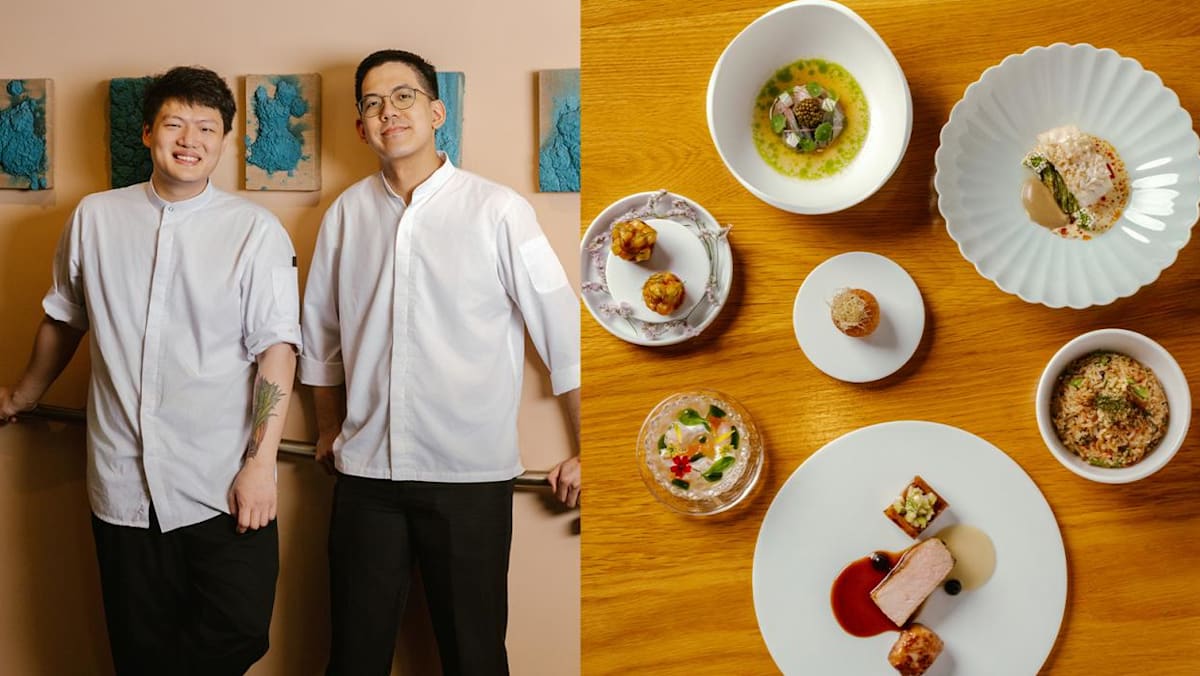
HONG KONG
The historical architecture of culinary prestige in the Asia-Pacific region has long favored a familiar international lexicon. Yet, a recent development in Hong Kong suggests a deliberate recalibration of this long-standing dynamic. At Whey, a Michelin-starred establishment, Singaporean chefs Barry Quek and Keith Teo are reportedly incorporating 'hawker favourites' and 'Indonesian influences' into their menu, a move described as shaping 'the restaurant’s next chapter.' This focus on specific, regional culinary heritage, rather than a broad interpretation of 'Asian' cuisine, highlights a growing trend of localization within high-end dining.
Historically, metropolitan centers like Hong Kong have often functioned as conduits for global culinary trends, frequently elevating international styles or generalized 'fusion' dishes. The emphasis on distinct Singaporean and Indonesian flavors by chefs in a Michelin-starred venue in Hong Kong represents a departure from this established pattern. It suggests a strategic recognition of the depth and specific appeal of local and regional foodways, potentially shifting the commercial focus from an imported idea of luxury to an authentic, refined regional experience.
This reorientation holds particular implications for Thailand. With its own distinct culinary traditions and a rich street food culture, Thailand possesses a similar foundational strength. The success of chefs like Quek and Teo in elevating specific regional dishes could provide a model for Thai culinary professionals to assert their heritage on a global stage, moving beyond generalized 'Thai cuisine' to highlight the nuances of specific regional Thai flavors. The inherent challenge lies in translating deeply rooted local practices into formats that meet international fine dining standards without sacrificing authenticity, a tension that remains unresolved.
One might argue that such culinary shifts are merely cyclical trends, a rebranding of existing fusion concepts rather than a fundamental change in strategic orientation. Hong Kong's position as a prominent culinary hub, as evidenced by events like the FBS Summit gathering family business owners, suggests a constant evolution rather than a static environment. The city has previously hosted international competitions, including the Hyatt’s Asia-Pacific culinary competition where Japanese and Chinese chefs won, indicating a broad acceptance of diverse culinary influences. However, the specificity of the reported ingredients—'hawker favourites' and 'Indonesian influences'—moves beyond generic 'Asian' descriptors, pointing to a more deliberate and granular approach to regional identity. This marks a strategic shift.
The broader consequence for the Asia-Pacific is a potential decentralization of culinary authority. While certain cities have long held sway, the valorization of localized and specific regional flavors, particularly from smaller nations or sub-regions, could distribute influence more widely. This does not imply a diminished role for established culinary capitals, but rather a more nuanced and competitive environment where a dish’s origin and authenticity might increasingly dictate its perceived value. The economic benefit of such a shift, however, remains contingent on the ability of local food systems and talent pipelines to consistently deliver at this elevated level, a constraint that persists.
Sources
Newsletter
Pacific Daily
A curated briefing from Thailand, Asia-Pacific and the world.