Food Imports and Exporting Risk: Who Bears the Cost?
Singapore's food safety stance implies new demands on regional trade partners, including Thailand.
SINGAPORE
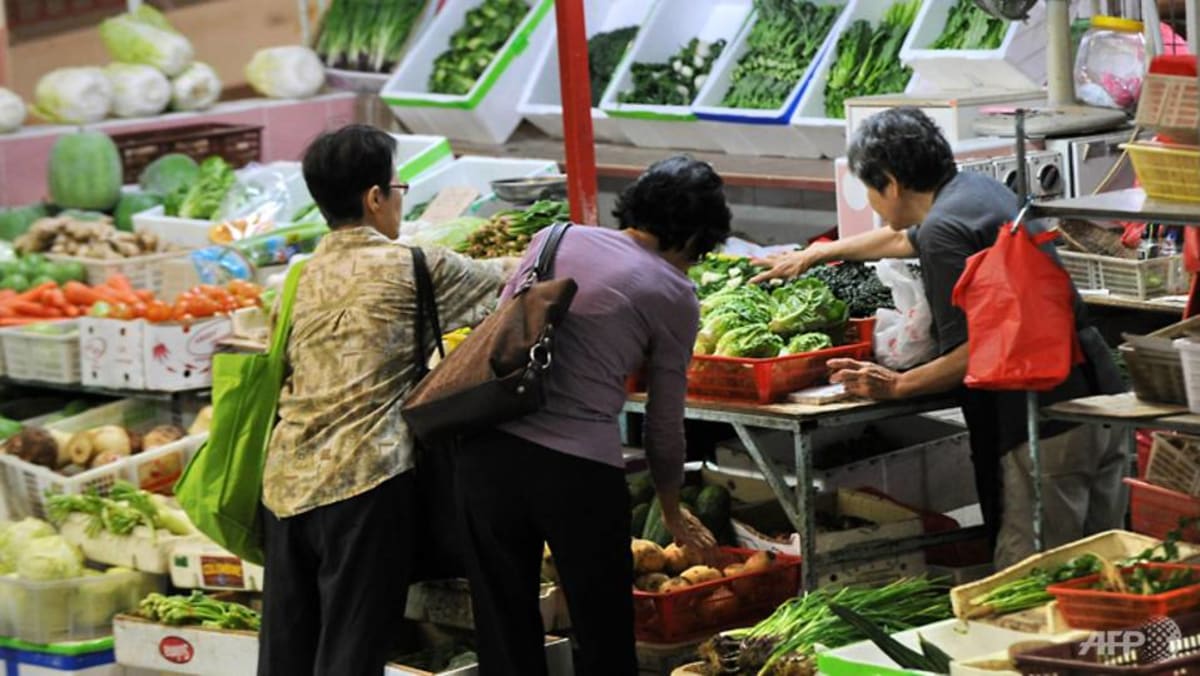
Singapore, a city-state reliant on global food trade, navigates the complex terrain of food safety. Paul Teng of ISEAS-Yusof Ishak Institute observed on September 22, 2026, that Singapore cannot close itself off from global supply chains. This perspective underscores a fundamental tension: the necessity of imports against the imperative to manage external risks.
For a market realist, the critical question is not whether risks exist—they are inherent in any distributed system—but who bears the cost of mitigating them. Singapore's stated need to “anticipate and detect risks before they arrive” suggests a strategic pivot towards stronger import controls and screening. While this protects Singaporean consumers, it shifts the burden of compliance and potential rejection onto exporting nations, many of which are in Southeast Asia, including Thailand.
Consider the implications for agricultural exporters. Thailand, a major food producer, operates within a complex ecosystem of small, medium, and large-scale farming and processing. Each additional layer of regulation imposed by a key import market like Singapore translates into increased costs for Thai producers. These costs might manifest as investments in new certifications, enhanced quality control infrastructure, or more rigorous testing protocols. For smaller producers, such demands could become prohibitive, effectively creating non-tariff barriers to market access. The stated goal for Singapore is clear: safeguard its population. The unspoken consequence for exporting nations is less benign: a potential squeeze on market share and profitability for those unable or unwilling to meet evolving standards.
This dynamic is not unique to food. The US is to seek public comment on Chinese goods eligible for tariff cuts, as reported by Reuters. This indicates how trade relationships are continuously renegotiated through regulatory and economic levers. While tariffs directly impact pricing, stringent safety requirements exert a similar pressure, acting as an entry barrier.
An increase in Singapore's vigilance translates to a requirement for greater transparency and traceability from its suppliers. For Thai agricultural products, this means every stage, from cultivation to packaging, could fall under enhanced scrutiny. This is not inherently negative; improved standards can boost the overall quality and competitiveness of exports. However, the initial capital outlay and operational adjustments are significant.
The counterargument often heard is that such standards ultimately benefit all. Higher quality and safer food products should, in theory, command better prices and open new markets. This holds true for producers with the capacity to invest and adapt. For segments of the Thai agricultural sector, particularly those operating on thinner margins or lacking immediate access to capital for upgrades, these enhanced requirements could disproportionately impact their viability.
Singapore’s stance on managing risks means that while its consumers gain assurances, its trading partners face an evolving landscape of compliance. The outcome will depend on the capacity of exporting nations to adapt to these shifting demands, and the extent to which these compliance costs can be absorbed or passed on. Without adequate support or lead time, the effect could be a consolidation of the export market, favoring larger, more resourced players. The unresolved constraint remains: who ultimately funds the elevation of these global food safety standards, and at what cost to established trade relationships?
Sources
Newsletter
Pacific Daily
A curated briefing from Thailand, Asia-Pacific and the world.