Yen’s Shifting Value: A Culinary Calculation for Thailand
Intervention may temper the yen's decline, but the true cost to Thai cuisine begins much earlier in the supply chain.
SINGAPORE
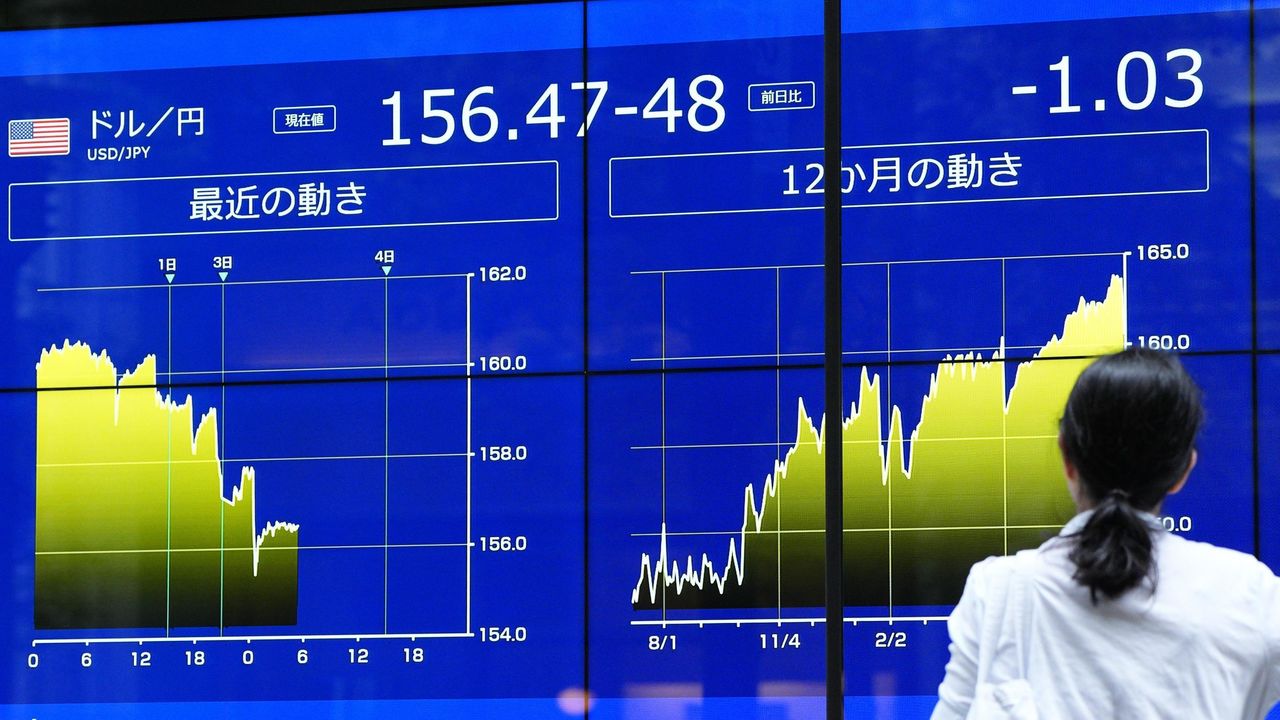
The yen’s recent movements, documented by Nippon.com on 2026-09-19, suggest a potential re-evaluation of its long depreciation. Following massive currency market intervention by Japan and the United States, and September statements from US officials, the yen appears to be moving higher. This development, if sustained, marks a significant shift from the trend observed since March 2022, when a widening interest rate gap between Japan and the US spurred the yen’s sharp weakening. The US Federal Reserve's rate hikes, starting in March 2022, from 0.25% to higher figures, diverged sharply from Japan's policy, contributing to this disparity.
For Thailand’s culinary landscape, particularly its high-end establishments with Japanese ingredients, the yen’s value has direct implications. A weaker yen historically makes Japanese imports less expensive in baht terms, potentially improving profit margins for restaurateurs who rely on premium seafood, specific rice varieties, or artisanal sakes. Conversely, a stronger yen, influenced by these interventions and statements, would increase the cost of these imports. This increase would then need to be absorbed by the restaurant or passed on to the consumer.
However, the immediate impact on the final plate in Thailand is not solely determined by currency fluctuations at the point of import. The cost structure of high-quality ingredients, especially those from Japan, is complex. The expense of cultivation, fishing, or production in Japan, coupled with logistics, handling, and preservation, often represents a substantial portion of the eventual price before currency conversion is even applied. The margin surviving the plate for a Thai restaurant, therefore, is already constrained by these initial production and supply chain costs, making it sensitive to additional upward pressure from a strengthening yen.
An economist specializing in currency issues anticipates prospects for the exchange rate going forward. Should the yen continue its upward trajectory, Thai restaurants sourcing premium Japanese ingredients will face a critical decision. They may absorb the higher cost, reducing their already tight margins, or adjust menu prices, potentially impacting consumer demand. The alternative is to seek out domestic or regional substitutes, though achieving the precise quality and authenticity of specific Japanese products remains a considerable challenge. The core tension lies in maintaining culinary standards against an evolving economic reality.
Ultimately, while currency interventions aim to stabilize national economies, their ripple effects are felt down to the most intricate details of global trade, including the provenance and pricing of ingredients in Thailand's finest dining rooms. The question remains whether the market’s underlying economic realities, particularly the interest rate differentials, will allow this nascent rebound to persist, or if the interventions merely offer a temporary reprieve. The long-term viability of pricing and sourcing models for restaurants will depend on this unresolved dynamic.
Sources
Newsletter
Pacific Daily
A curated briefing from Thailand, Asia-Pacific and the world.