Hong Kong's Culinary Flux Signals a Broader Regional Shift
Eighteen new restaurant openings in Hong Kong point to an accelerating trend in Asia's dining landscape, with implications for Bangkok's own culinary trajectory.
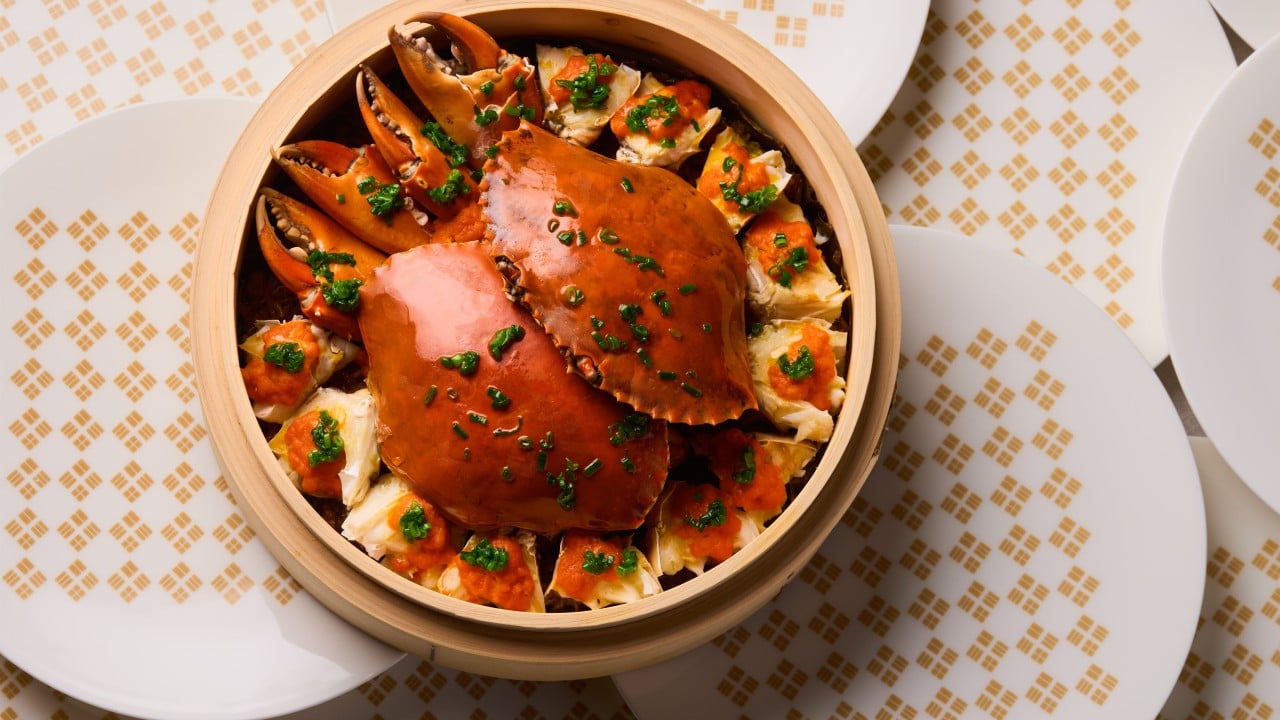
HONG KONG
The report from SCMP Lifestyle on August 27, 2026, detailing 18 new restaurant, bar, and bakery openings in Hong Kong for September 2026, presents a specific picture: a significant surge in new culinary establishments. This volume of openings, ranging from contemporary Hokkien cooking to French grills and Italian hospitality, signals a notable acceleration in the city’s dining sector.
### The Capital Flow and Culinary Implications
This growth in Hong Kong's dining scene appears to be enabled by a robust commercial environment. The South China Morning Post reported on August 11, 2026, that Hong Kong's commercial property investment growth had surpassed its Asian peers. Furthermore, Hong Kong and mainland China were driving a surge in Asia-Pacific commercial property deals, as indicated by a South China Morning Post report. These financial movements suggest that the capital required for new restaurant ventures, which demand significant real estate investment, is readily available and flowing into the city's commercial spaces. The connection between commercial property investment and restaurant proliferation is direct: sustained investment provides the physical infrastructure and financial leverage necessary for expansion. Without this capital, such a rapid expansion of high-concept dining establishments would be challenging to sustain.
While Hong Kong demonstrates a high rate of new openings, the underlying question for the broader region, particularly for Bangkok, is the sustainability of these ventures and the provenance of their ingredients. The focus on 'contemporary take' and 'refined dishes' in establishments like Hokkien House, helmed by a Michelin Guide Young Chef Award winner like Levi You, suggests an emphasis on elevated dining. This pursuit of refinement often entails sourcing ingredients that may not be locally abundant or traditionally farmed for mass market consumption, potentially increasing supply chain complexities and costs. My core question, as always, is: 'Who grows this, and what margin survives the plate?' The fact sheet offers no data on ingredient sourcing, supplier networks, or the financial health of these new establishments post-opening. This absence of detail restricts any assessment of their long-term viability or true economic impact beyond the initial investment. The sheer number of openings might also dilute the market, putting pressure on margins for all.
For Bangkok, a city with its own dynamic and rapidly evolving dining scene, Hong Kong’s trajectory offers both a mirror and a cautionary tale. Bangkok has seen its own influx of foreign investment in hospitality, and a similar commercial property boom could precede a comparable restaurant explosion. However, the critical distinction lies in local sourcing and the integration of traditional supply chains into contemporary dining. Bangkok has a strong tradition of local markets and produce. If Bangkok’s growth follows Hong Kong’s pattern of high-end openings, the challenge will be to ensure that local growers and producers benefit, rather than an increased reliance on imported goods that may inflate costs and reduce margins for local primary producers. The Hong Kong trend indicates a demand for novelty and international concepts, but it provides no guarantee that this demand is met sustainably or that it directly benefits the primary producers who form the foundation of any robust culinary ecosystem.
Sources
Newsletter
Pacific Daily
A curated briefing from Thailand, Asia-Pacific and the world.