Standard Chartered's Cultural Spending Signals Broader Asia-Pacific Strategy
The bank's continued sponsorship of Hong Kong's Arts in the Park, even as regional financial risks rise, points to a deliberate investment in brand visibility and market confidence beyond immediate returns.
SINGAPORE
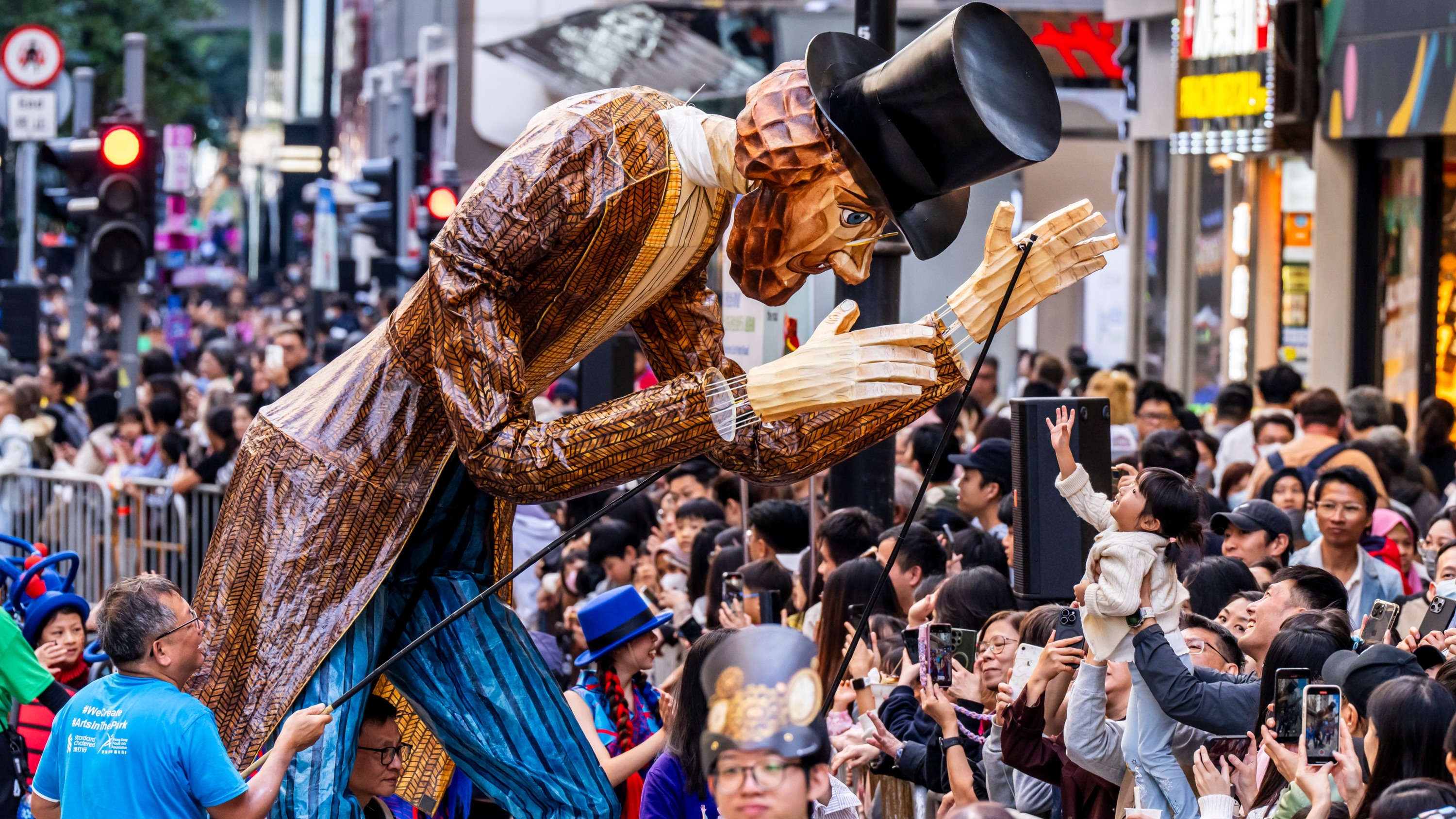
The return of Standard Chartered Arts in the Park for its 'biggest edition yet' next month, as reported by Time Out Hong Kong, is an expenditure with clear implications. For a financial institution facing complex regional conditions, this sustained, large-scale investment in public events warrants close examination, especially concerning the allocation of marketing capital and the strategic incentives at play.
Standard Chartered has committed to a significant event in Hong Kong, a city where the company recently set higher long-term earnings goals, according to a May 2026 South China Morning Post report. This focus on Hong Kong occurs while Asia-Pacific banks broadly face increasing credit risks and are raising provisions, a May 2026 Business Times report indicated, partly due to the ongoing Iran war. This juxtaposition—aggressive growth targets and sustained cultural sponsorship in one key market, set against a backdrop of wider regional financial uncertainty—suggests a calculated approach.
Investment in a large public parade like Arts in the Park serves multiple purposes beyond direct community engagement. It enhances brand visibility and public perception, particularly in a period when the financial sector has seen eight high-profile financial scandals within five months, as reported by ABC News in February 2026. While Standard Chartered is not implicated in these specific scandals, the broader industry climate necessitates a focus on rebuilding trust and demonstrating stability. A visible, family-friendly event like the giant puppet parade contributes to this image. The bank's continued presence in such a high-profile cultural event could also be seen as an anchor in a market known for its vibrancy, which saw North Korean runners among overseas participants in its marathon in January 2026.
Critics might argue that capital allocated to cultural events could be better deployed to shore up balance sheets or invest in core banking services, particularly given the rising credit risks across the Asia-Pacific. The timing also coincides with broader economic shifts, such as Bitcoin's volatility causing it to sink in a flight from risk, as Reuters reported in November 2025. These concerns are valid for any large financial entity.
However, for a bank that aims for long-term growth in a dynamic region, maintaining a strong public presence through sustained sponsorship can be an investment in future market share and customer loyalty. The 'biggest edition yet' implies an increased financial outlay at a time when other institutions might retrench. This suggests an executive decision to leverage cultural engagement as a differentiator, rather than purely as a charitable gesture. It is a signal of confidence in the Hong Kong market, despite regional pressures.
The critical question remains what return this investment in public goodwill and brand building achieves. Will the cultural capital translate into new client acquisition or deeper customer relationships at a rate that justifies the expenditure? Ultimately, the effectiveness of this strategy hinges not on the size of the puppets, but on the institution's ability to convert perceived stability into tangible financial gains, and at what occupancy rate this strategy proves viable.
Sources
Newsletter
Pacific Daily
A curated briefing from Thailand, Asia-Pacific and the world.