The Stubbornness of Price: What British Columbia's Housing Signals for Asia-Pacific Resilience
Minor shifts in Canadian property values highlight a wider cultural inclination towards stability, even in the face of economic pressure.
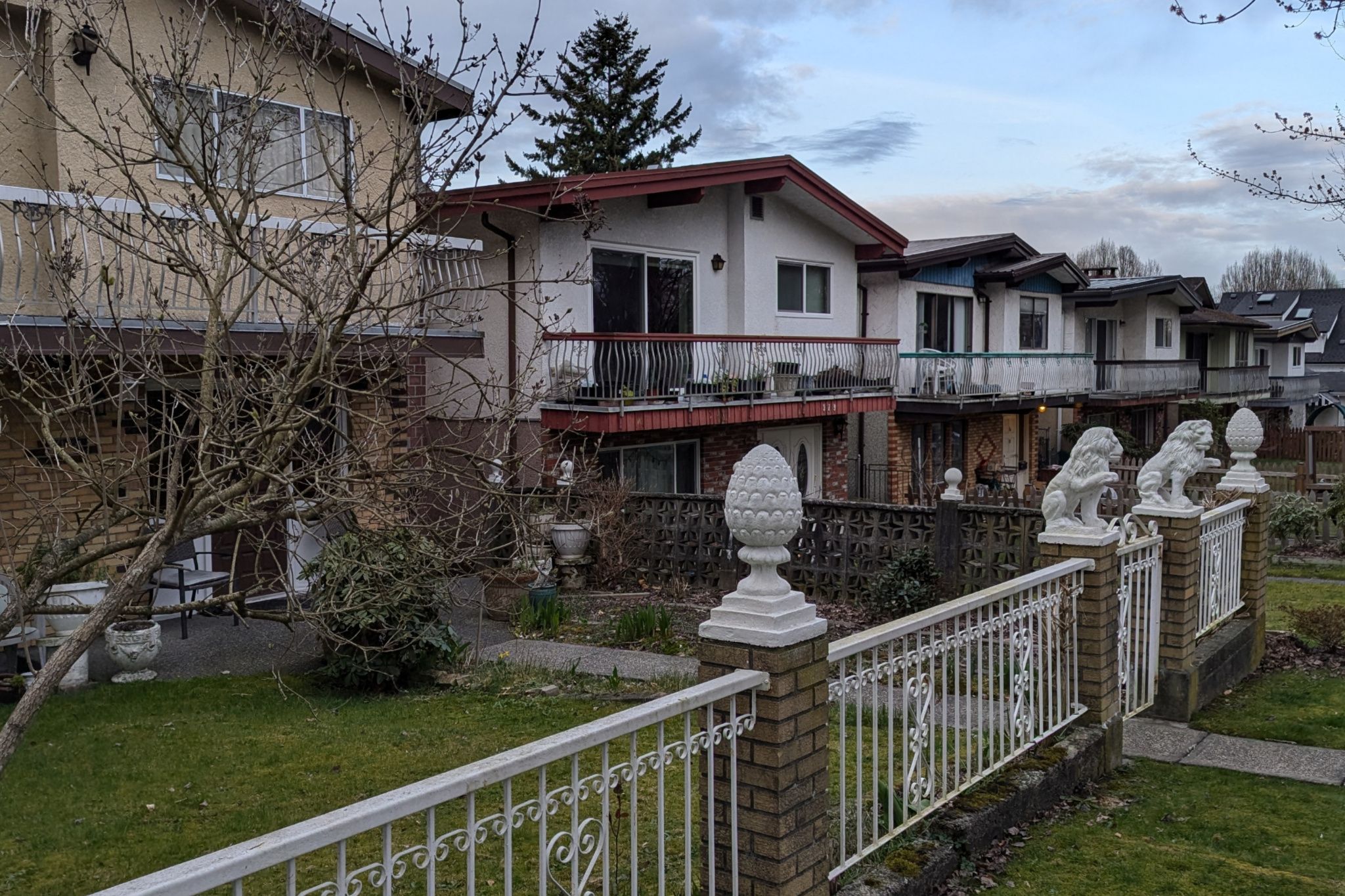
A report from the British Columbia Real Estate Association (BCREA) detailing housing figures from August 2026 presents a subtle, yet revealing, picture. Home sales in British Columbia were recorded at 5,653 units through Multiple Listing Service (MLS) Systems, marking a four per cent decrease compared to August 2025. While this represents a slowdown in transactional volume, the average MLS residential price in B.C. for August 2026 registered $924,826. This figure is down just one per cent from the $925,917 reported in August 2025. In dollar volume, total sales reached $5.2 billion in August 2026, a 4.8 per cent decrease compared to the previous year.
The minimal price movement, despite the decline in sales, offers a perspective on what consumers are willing to accept as ‘normal’ in a market under stress. The BCREA report suggests prices have 'come down, but haven't come down by much.' This particular phrasing, delivered by an interested party, speaks volumes about underlying expectations. The cultural expectation of property as a stable, if not ever-appreciating, asset appears to hold firm, even when transactional activity slows. It points to a deep-seated belief system where property values are expected to resist significant depreciation, rather than adjust quickly to demand shifts.
This pattern, while observed in a North American market, carries echoes across the Asia-Pacific region, including Thailand. In many parts of Asia, real estate is not merely a commodity; it is a foundational pillar of family wealth and intergenerational security. The willingness of owners to hold rather than capitulate to dramatic price reductions is often a cultural norm, driven by perceptions of long-term value and social standing. The financial mechanisms and cultural narratives that underpin property ownership tend to buffer against sharp corrections, preferring a slow burn over a sudden shock.
Contrast this with reports from the retail sector, where consumer behaviour shifts are more immediate and pronounced. Reuters reported in September 2026 that Dollarama, a Canadian chain, raised its annual sales forecast as shoppers increasingly 'trade down.' Similarly, in August 2026, Reuters and The New York Times noted strong sales at dollar stores in the US as 'cost-conscious shoppers' and 'Americans of All Incomes' sought frugality. Even major retailers like Walmart experienced a sales growth slowdown in August 2026, with shares sliding nine per cent, as reported by Reuters. This indicates that while consumers are swiftly adapting their spending habits for everyday goods, their commitment to property values often remains steadfast.
The B.C. housing market's 'stubborn' price resilience, where a one per cent dip is considered significant enough to report on, speaks to a broader societal expectation. It suggests that even amidst economic headwinds, the cultural habit of viewing property through a lens of inherent, enduring value persists. This inclination, deeply embedded in many Asian societies, means that even when sales volumes dwindle, the expectation of price stability, if not outright growth, remains a powerful force. It is a slow, almost imperceptible negotiation between economic reality and cultural conviction, leaving many to wonder how long such resilience can hold in the face of broader financial shifts.
Sources
Newsletter
Pacific Daily
A curated briefing from Thailand, Asia-Pacific and the world.