Financial Literacy: A Foundation for Economic Engagement in Asia-Pacific
While Canada struggles with basic financial understanding, its economic connections to Southeast Asia underscore a growing need for regional financial acumen.
SINGAPORE
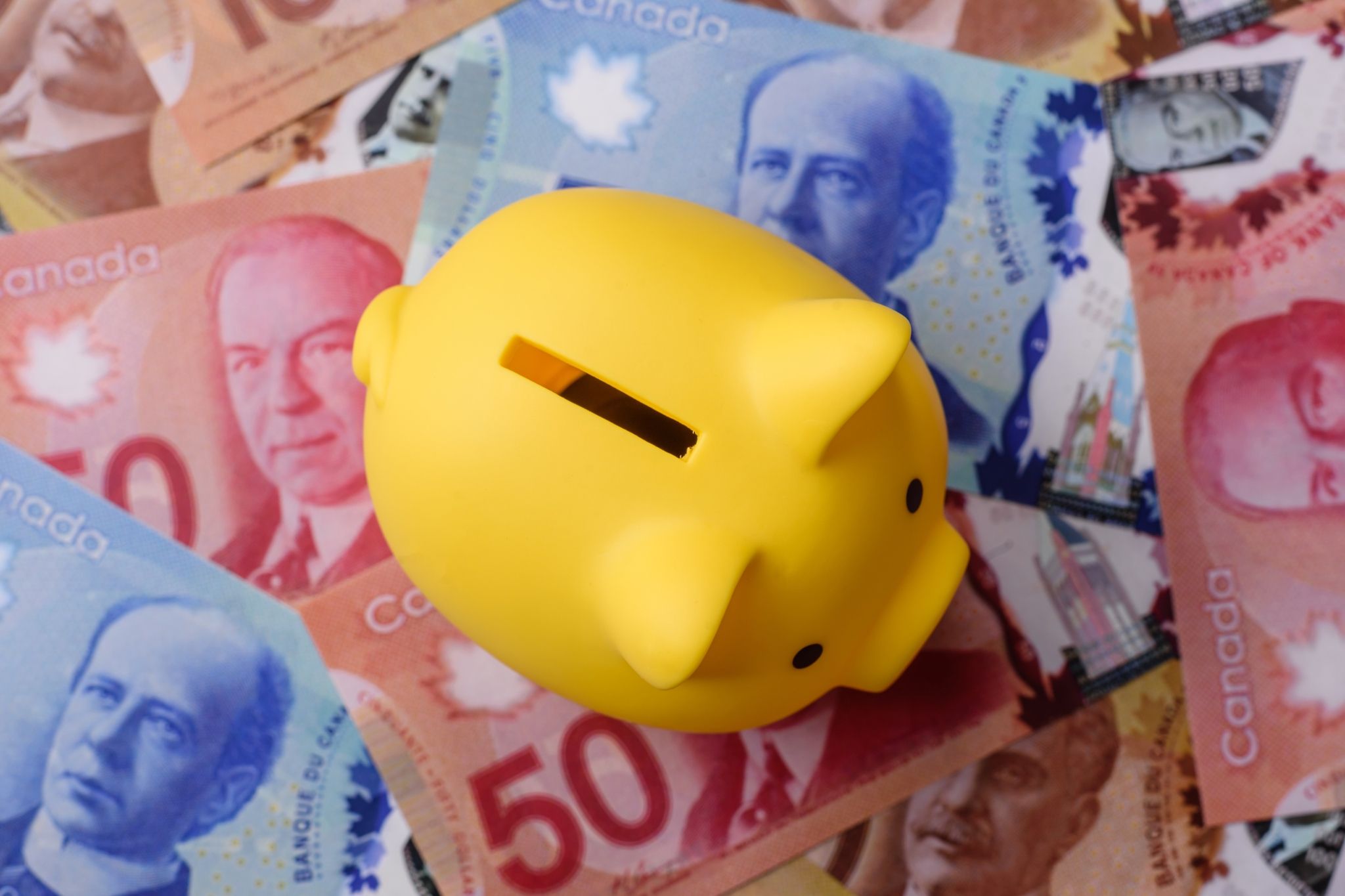
A recent international study by Remitly suggests Canadians, answering an average of 75.5 percent of questions correctly, ranked 22nd out of 27 countries in financial literacy. This assessment tested knowledge across interest rates, inflation, dollar conversion, and cryptocurrency. The findings indicate that many in Canada misunderstand fundamental financial concepts.
This gap in financial understanding emerges at a time when Canada is intensifying its economic ties with Southeast Asia. For instance, Canada's trade talks with the Philippines and ASEAN are reportedly 90 percent complete, with a November finish projected. President Marcos of the Philippines visited Canada, signaling deepening foreign policy engagements.
Yet, this increased engagement does not guarantee mutual preparedness. The Business Times reported that Canada is raising oil flows to Asia, but Southeast Asian refineries are not yet equipped to handle these volumes. This illustrates a misalignment between supply and capacity, despite growing trade ambitions. Furthermore, China's Geely began shipping Lotus electric vehicles to Canada in July, following a deal between Carney and Xi. These movements highlight a complex web of trade where financial literacy becomes crucial for all parties.
Financial literacy extends beyond personal budgeting; it underpins trade negotiations, investment decisions, and the capacity to adapt to global economic shifts. For Southeast Asian nations, understanding complex financial instruments and market dynamics is not merely an academic exercise. It directly influences how effectively they can engage with countries like Canada, manage inbound investments, or navigate the implications of trade agreements.
The challenge is not confined to Canada. Developing a robust financial understanding across populations is essential for any region seeking to participate meaningfully in global commerce. Misconceptions about compound interest or inflation can have tangible effects on national economies, impacting everything from consumer spending patterns to the stability of financial markets.
While the Remitly study focused on Canadian individuals, the broader implication for the Asia-Pacific region is clear. As trade volumes increase and financial products become more sophisticated, a foundational understanding of economics becomes a prerequisite for effective international collaboration. The success of economic partnerships, such as the ongoing Canada-ASEAN talks, depends on a shared, or at least complementary, level of financial sophistication among all participants. Without this, even ambitious trade objectives risk encountering fundamental obstacles, similar to refineries unprepared for new oil flows. The path to deeper economic integration demands not only political will and infrastructure but also an informed populace capable of making sound financial decisions at every level.
Sources
Newsletter
Pacific Daily
A curated briefing from Thailand, Asia-Pacific and the world.