When the Surf Reaches the Dining Room
King tides and Pacific swells in Southern California expose the fragile habit of treating marine encroachment as a passing inconvenience
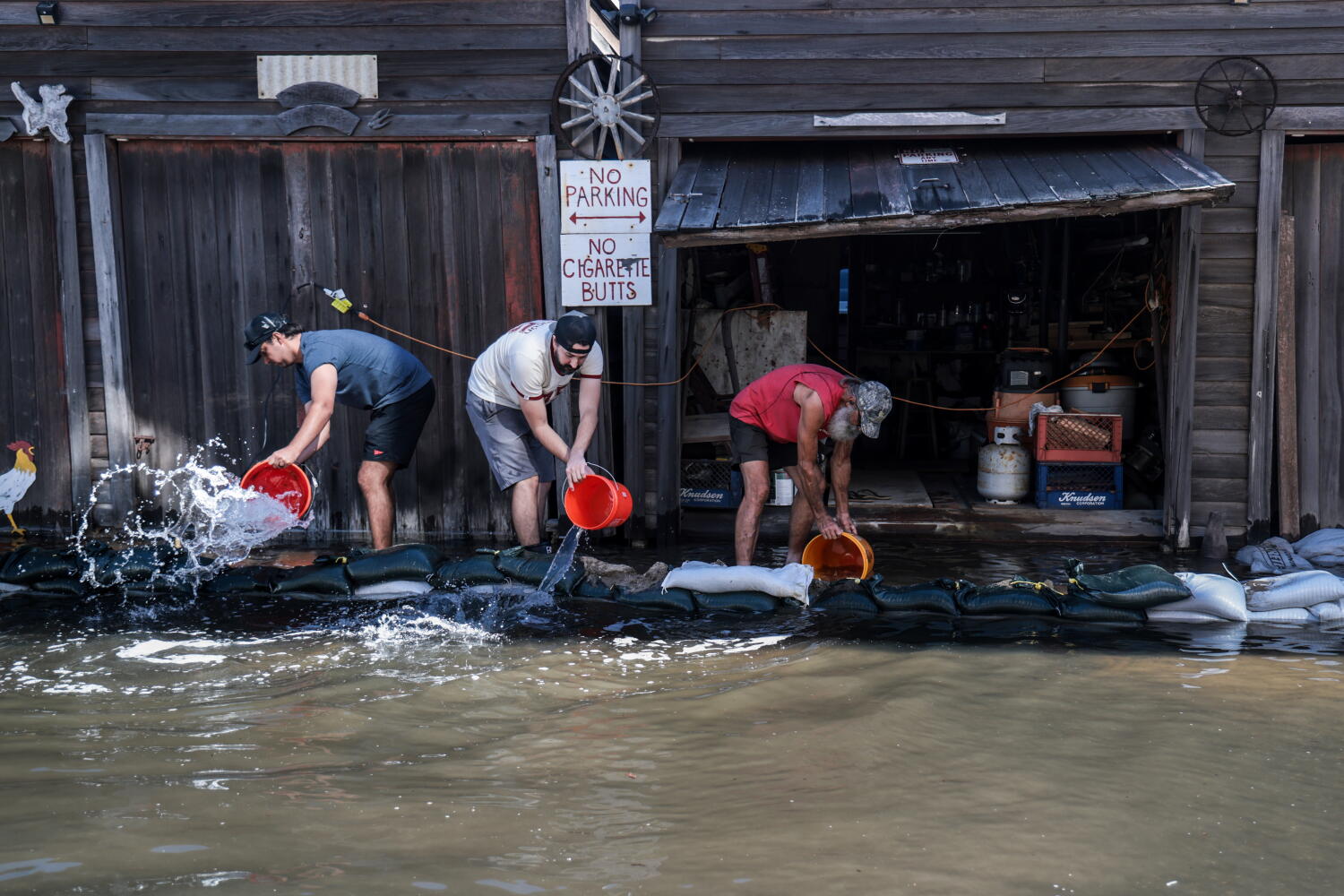
Seawater does not knock before entering a dining room. Along Pacific Coast Highway at Sunset Beach in Huntington Beach, the tide crossed the pavement, spreading across floors and turning seaside seating into shallow lagoons. Neighbors bailed water to stave off flooding from a garage as foam broke across the threshold. The scene was neither an isolated plumbing failure nor a sudden mystery. Enormous waves and record-breaking king tides flooded Southern California beach bars and restaurants, demonstrating how quickly the margin between leisure and marine hazard disappears when water claims the built environment.
Hospitality across the Southland has long traded structural safety for visual intimacy. Beach bars, open-air boardwalk counters, and dining terraces from Huntington Beach to the Redondo Beach International Boardwalk have extracted commercial value from placing customers directly beside breaking surf. That architectural arrangement shaped a regional culture where ocean spray was treated as an amenity rather than recognized as an encroaching physical boundary. Coastal dining rooms were engineered around the assumption that the Pacific would remain a passive backdrop for lunch service and evening cocktails. In October 2026, that comfortable commercial calculation met its physical limit. Forecasts predict more El Niño-driven storms in the coming months, indicating that water across the floorboards will not remain an isolated episode.
Protective measures deployed by proprietors reveal how stubbornly the industry clings to habitual routines. Sacks of sand lined doorways in an attempt to deflect tidal surges that effortlessly overtopped them. Rashel Mereness observed that miscalculation when conventional defenses failed against the incoming ocean:
"I don’t think anybody expected as much water as there is, so the sandbags maybe weren’t sufficient,"
The Habit of Reopening
The immediate impulse following each retreat of the tide is almost always commercial repair. Brooms clear out wet sand, portable fans dry out floorboards, and tables are rearranged for evening service. Treating recurring inundation as an unpredictable novelty allows property owners and tenants to postpone difficult commercial reckonings. Sandbags represent an emotional gesture rather than an engineering defense, offering the temporary illusion of protection while preserving the low sightlines that attract foot traffic. A heavy barrier would block the ocean view that justifies premium prices, whereas a row of sandbags can be shoved aside the moment the water recedes.
This pattern of cleanup and resumption reflects a broader denial embedded in coastal commerce. Saltwater corrodes equipment, degrades drywall, and leaves behind fine silt that seeps into floor joints. Yet acknowledging that the waterline has permanently shifted would require costly structural adjustments, insurance negotiations, and potentially abandoning ground-level seating altogether. Choosing instead to treat each flood as a freak incident enables businesses to maintain their operating rhythms without confronting the changing shoreline. The labor of mopping up ocean water becomes absorbed into everyday prep work, filed alongside inventory counts and shift changes.
Proprietors find themselves caught in an awkward holding pattern between structural defense and commercial appeal. Diners still expect tables situated inches from the sand, and waterfront operators continue to cater to that expectation by accepting flooding as an intermittent nuisance. As forecasts predict more El Niño-driven storms, sweeping out seawater between meal seatings becomes an increasingly fragile defense. Back at the garage on Pacific Coast Highway, neighbors setting down their buckets know the ocean will return. The dining tables may be wiped dry, but the shoreline is no longer willing to keep its distance.
Sources
Newsletter
Pacific Daily
A curated briefing from Thailand, Asia-Pacific and the world.