Corporate Scale Replaces the Independent Dining Room
Dylan Ong's move from Capitol Singapore to Creative Eateries shows how high fixed overhead is driving independent chefs under corporate balance sheets
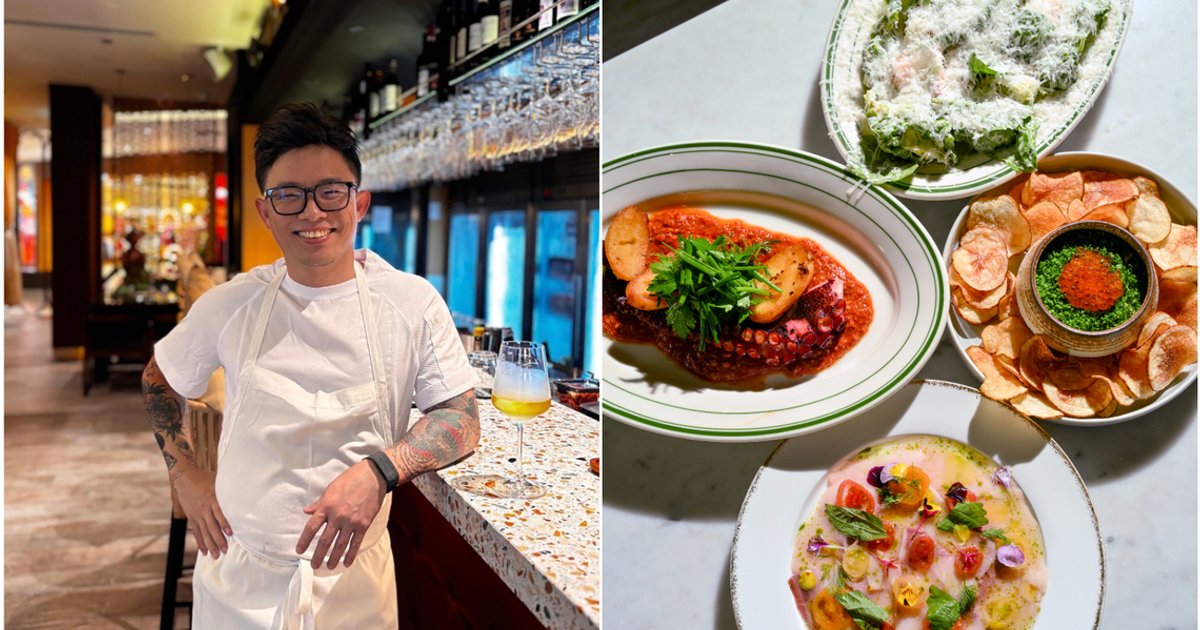
SINGAPORE
Seventeen years of operating independent dining rooms across Singapore ended without a farewell service on June 1. On that day, chef Dylan Ong closed The Masses and Choon Hoy Parlor simultaneously, walking away from two adjacent commercial tenancies at Capitol Singapore.
The double closure terminated an independent run that began with Saveur and later saw The Masses relocate from Beach Road. Rather than attempting another standalone venture, Ong moved directly onto a corporate payroll, taking the position of head of restaurants at Creative Eateries to oversee 13 commercial brands. Ong openly projected that more chefs will follow this trajectory into established hospitality conglomerates. His shift is an instructive case study in the structural economics of urban dining. Standalone culinary ventures increasingly face balance-sheet realities that artistic reputation alone cannot offset.
The Mechanics of Corporate Absorption
Scale provides defensive insulation. A conglomerate managing 13 brands negotiates commercial leases from a consolidated balance sheet, distributes administrative overhead, and spreads operational risk across dozens of storefronts. Solitary operators enjoy no such buffer. Every dollar of commercial rent, service payroll, and rising ingredient cost must be settled from daily covers inside a single address.
Operating adjacent storefronts at Capitol Singapore concentrated substantial exposure on a single floor plate. Choon Hoy Parlor paired Teochew duck and dry laksa with the Franco-Asian menu of The Masses, but doubling physical capacity in prime commercial real estate also doubled baseline occupancy obligations. Sustaining two neighbouring units requires relentless customer throughput. When foot traffic softens, capital reserves deplete rapidly.
Creative Eateries offered an immediate operational shelter. By hiring Ong alongside core staff to refresh menus and venues, the group secured kitchen credibility and managerial experience without inheriting the lease liabilities of the closed Capitol Singapore units. For Ong, who structured a 12-year progression within the firm before an anticipated shift into mentorship, corporate infrastructure converts existential operating exposure into salaried performance. The founder trades sovereign equity for operational solvency.
The Autonomy Trade-Off
Corporate shelter imposes its own structural boundaries.
Multi-unit hospitality groups survive on cost predictability, strict procurement parameters, and menu uniformity across venues. Those priorities sit in direct tension with the culinary idiosyncrasy that established Ong's reputation at Beach Road and Choon Hoy Parlor. Centralised purchasing prioritises volume discounts and supplier consistency over low-margin culinary experimentation. When dishes must scale across multiple brand portfolios, standard operating procedures take precedence over kitchen improvisation.
Large operators counter that centralised capital preserves talent that would otherwise be forced out of the sector by escalating overhead. That argument is valid as an employment defense. It is less convincing as a model for culinary autonomy. Conglomerate management eliminates the direct insolvency risk that shuttered Ong's dual operations on June 1, yet it inevitably redirects independent culinary founders into portfolio managers defending group margins.
The commercial arithmetic remains unforgiving. As long as high urban rents penalise standalone retail exposure, corporate groups will continue absorbing notable independent practitioners. That consolidation offers individual career longevity, but it leaves independent dining rooms structurally unviable without institutional capital.
Sources
Newsletter
Pacific Daily
A curated briefing from Thailand, Asia-Pacific and the world.