A Malaysian Kitchen in Hangzhou Challenges the Flow of Regional Dining Capital
Hai Kah Lang enters mainland China against an overwhelming current of inbound beverage and hotpot giants, exposing the severe operational realities facing Southeast Asian operators.
SINGAPORE
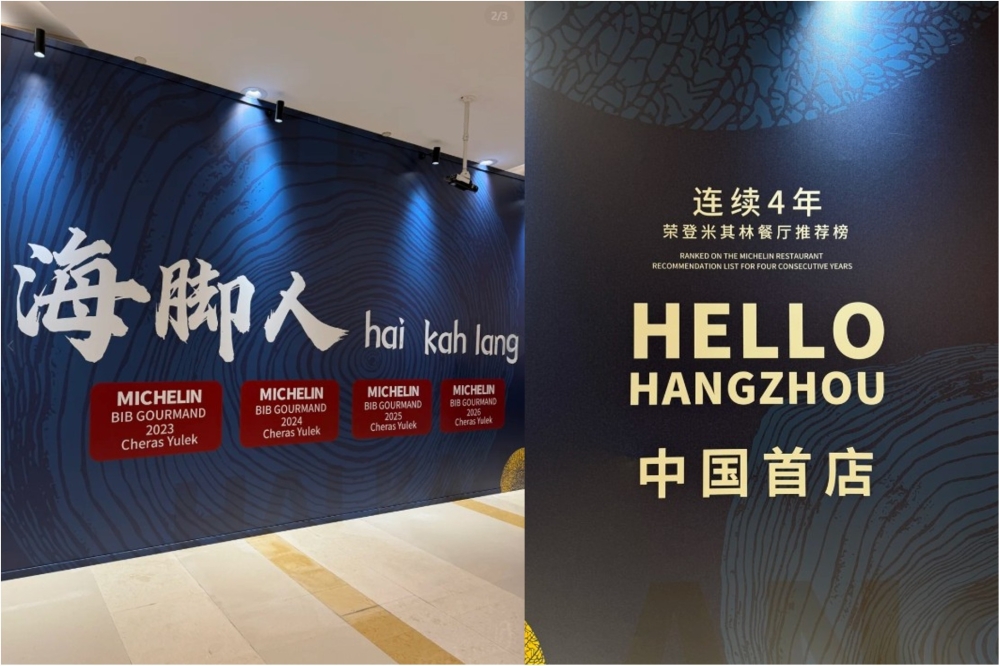
Mainland Chinese dining groups have spent years exporting standardized commissary models southward across Southeast Asia, yet a Malaysian restaurant operator called Hai Kah Lang is now attempting the reverse passage into Hangzhou. It is a striking commercial counter-flow. Moving a kitchen upstream against an entrenched corporate tide demands more than culinary reputation. The enterprise requires an operational balance sheet built to withstand the steepest retail pressures in the hemisphere.
Hospitality capital usually follows the line of least resistance. Brands like Mixue, Chagee, and Haidilao did not conquer urban Southeast Asia by exporting fragile kitchen craft. They succeeded by deploying industrial procurement machinery. Their operations thrive because centralized processing, dry-blend formulas, and automated counter routines strip out kitchen labor variance almost entirely. A mass beverage franchisor or hotpot multinational sells consistency engineered in distant commissaries, where volume suppresses unit costs and operating margins remain insulated against local ingredient disruptions.
A specialized seafood noodle counter operates under an entirely different economic discipline.
The Logistical Tax on Flavor
Setting up Hai Kah Lang in Hangzhou forces a direct reckoning with the arithmetic of foreign procurement. A kitchen centered on marine proteins, rich broths, and precise heat control cannot rely on the ambient shelf life of packaged syrups or dehydrated soup bases. If the enterprise seeks to preserve its original Malaysian flavor signature, it must import key seasonings, proprietary dried goods, or specialized seafood stocks through cross-border channels. Every border clearance introduces customs oversight, refrigerated freight overhead, and import levies that eat directly into gross margins before the stockpot is even heated. Sourcing entirely from wholesale markets in Zhejiang solves the freight problem, but it risks neutralizing the specific culinary terroir that justified expanding into eastern China in the first place.
Cross-border kitchen survival depends on whether specific regional flavors can withstand the logistical taxation of foreign procurement.
Scale Versus Novelty
Commercial dining inside Hangzhou is famously unforgiving. The municipal market is dense with entrenched domestic operators, aggressive delivery platform fees, and demanding commercial landlords. To stay solvent, an imported dining room must maintain rapid table turnover while defending its average spend per customer against ruthless domestic price competition. Mainland consumer preferences move with brutal velocity, readily abandoning newly imported dining concepts once the initial curiosity of opening month cools. Giants like Haidilao survive these volatile shifts because extensive corporate reserves, vertically integrated supply chains, and retail merchandise cushion dining-room volatility. An independent Southeast Asian chain without upstream ingredient ownership possesses no comparable buffer when input costs surge or foot traffic slackens.
Optimists may view this Hangzhou entry as evidence that Southeast Asian dining brands now hold enough cultural prestige to challenge Chinese operators on their home turf. That reading confuses dining novelty with durable cash flow. First-time curiosity can generate opening queues, but repeat visits depend on an unyielding ratio between plate cost and customer perception. When domestic consumer confidence contracts and price sensitivity heightens, specialty restaurants caught with imported ingredient overhead are inevitably the first to feel the squeeze.
Hai Kah Lang has initiated an audacious commercial trial. The real test in Hangzhou will not hinge on consumer nostalgia or culinary enthusiasm, but on an unresolved economic tension: whether a modest foreign kitchen can preserve its distinctive margins against the immense gravity of local operating costs.
Sources
Newsletter
Pacific Daily
A curated briefing from Thailand, Asia-Pacific and the world.