Raley's Closures: A Bellwether for Asia-Pacific Food Supply Chains
The shuttering of a California grocer points to shifts that Thailand's food sector should note.
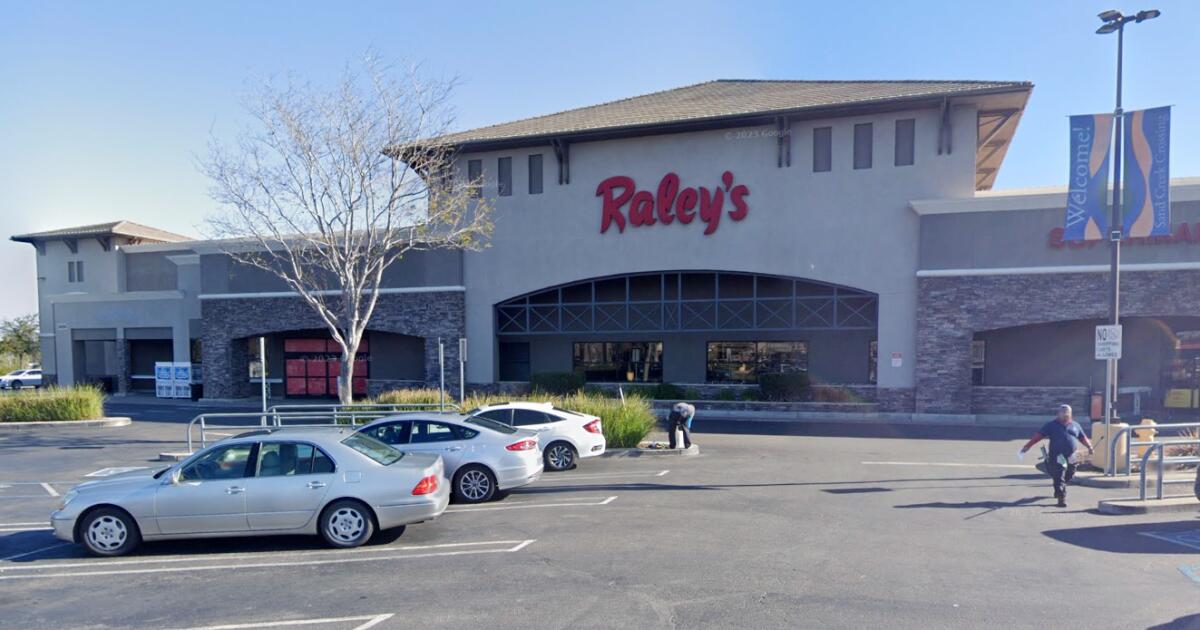
The planned closure of Raley's grocery stores, including its Brentwood location by November 3, 2026, in its home state of California, might appear to be a regional American retail adjustment. However, for the Asia-Pacific, and particularly Thailand, this development is not merely a localized event; it signals underlying pressures within the global food distribution system. The West Sacramento-based company, a California family-owned chain, is electing to reduce its physical footprint.
This contraction in a mature market like California, characterized by a developed and often competitive grocery landscape, suggests that even established players are contending with escalating operational costs and potentially shifting consumer behaviors. The central claim here is that such instances of rationalization by Western grocers serve as an early indicator of wider systemic vulnerabilities in supply and demand that will inevitably impact Asia's food producers and exporters. The evidence rests on the fact that Raley's is closing *multiple* stores, not just one, pointing to a strategic decision rather than an isolated incident.
The immediate counterargument would be that a grocery store closure in California is a distinct phenomenon, influenced by local market dynamics, and therefore holds little direct relevance for distant Asian economies. This perspective asserts that regional competition, rental costs, or specific demographic changes in areas like Brentwood are the primary drivers, insulating the Asia-Pacific from direct consequences. However, this view overlooks the interconnectedness of global food trade. While the specific competitive pressures Raley's faces might be local, the underlying economic forces — labor costs, energy prices, and the efficiency of logistics — are global in nature. Thailand, as a significant agricultural producer and food exporter, especially in sectors such as rice, seafood, and tropical fruits, relies heavily on these global supply chains.
The limitation of drawing definitive conclusions is that the fact sheet does not specify the direct reasons for Raley's closures beyond the general 'planning to close several stores.' Without explicit data on declining sales volumes, changing procurement strategies, or specific operational inefficiencies at Raley's, any projection remains an inference. The Los Angeles Times Food report attributes the information to Queenie Wong, a Staff Writer, without quoting company officials or providing specific financial metrics.
Nevertheless, the pattern of shrinkage in an advanced economy's retail food sector provides a necessary cautionary tale. The question for Thailand is not whether the local Brentwood population will miss Raley's. It is about how resilient its export-oriented food production model is to potential shifts in demand or profitability in key destination markets. As Western retailers like Raley's recalibrate their operations, they are implicitly signaling changes in their supply chain requirements, which Asian producers must anticipate. The challenge remains for Thailand to navigate these evolving global dynamics, ensuring its produce continues to find profitable pathways to market even as consumer-facing distribution points contract abroad.
Sources
Newsletter
Pacific Daily
A curated briefing from Thailand, Asia-Pacific and the world.