Novelty Flavours Cannot Solve the Succession Crisis Facing Hong Kong Traditional Trades
Yue Wo Hop Kee turns to sausage gelato and goose liver chocolate to attract younger demographics, but product novelty rarely fixes the economics of manual food production
HONG KONG
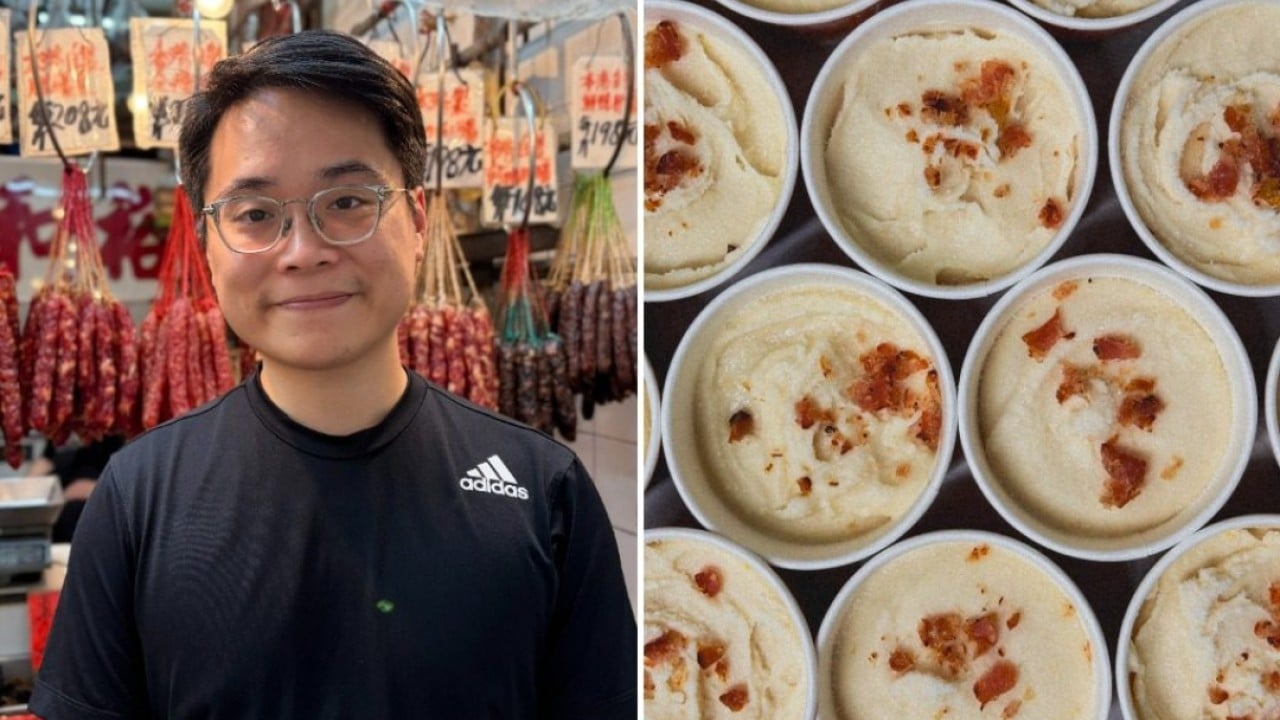
Preserving meat by hand requires intense labour, rising overheads and years of technical apprenticeship. Selling that output as sausage-flavoured ice cream or goose liver chocolate squares demonstrates an inventive attempt to reach younger palates, yet the economic divergence between artisanal production and novelty confectionery remains unaddressed. In Hong Kong’s Sai Ying Pun neighbourhood, Yue Wo Hop Kee has operated for more than half a century under the weight of this structural arithmetic.
Founded in 1973 by Fong Yam-fan, the business represents one of a shrinking number of enterprises where traditional meats are prepared manually rather than processed across industrial assembly lines. Third-generation owner Sam Fu Chi-chung has undertaken an overt repositioning, introducing gelato and confections infused with preserved ingredients to attract customers who rarely cook conventional Cantonese staples. The commercial impulse is rational on the surface. If youth demographics no longer purchase cured links for home dining tables, shifting the raw material into immediate, ready-to-consume formats creates foot traffic.
The Product Pivot Trap
Attracting foot traffic does not automatically restore a vanishing craft. Repurposing cured meats into sweet desserts operates primarily as a promotional mechanism rather than a volume driver for core lines. Ice cream and chocolate confectionery demand entirely distinct supply logistics, storage parameters and margins compared to dried meats. While a scoop of specialty gelato commands attention on commercial streets, it produces fractional volume absorption for the underlying cured meat output.
Manual preservation trades are fading across Hong Kong precisely because the cost of hand labour cannot easily compete with factory efficiency or surging district commercial rents. Transforming a specialty heritage producer into an experimental dessert counter introduces operational complexity without resolving succession deficits. When production relies on hand methods taught across generations, margins must support both skilled craftspeople and protracted training periods. Novelty snacks rarely generate the steady, repetitive basket sizes required to finance that human infrastructure over multi-year horizons.
Labour Constraints and Market Survival
Proponents of heritage modernisation argue that cross-category reinvention provides the only viable path to cultural relevance for century-old techniques. Without fresh marketing entry points, younger cohorts might abandon preserved ingredients altogether, accelerating the demise of local purveyors. In this view, pairing traditional goose liver or cured sausage with confections normalises legacy flavours for consumers who might otherwise never enter a neighbourhood curing shop.
That argument assumes modern consumer interest converts back into demand for core manual production. Yet sampling an eccentric dessert does not guarantee an ongoing domestic habit of purchasing preserved meats. At Yue Wo Hop Kee, the central tension is not merely brand visibility, but the physical continuation of artisanal manufacture in a city where manual trades face profound demographic attrition.
Unless innovative retail offerings translate into sustainable commercial volume that funds the exacting physical labor of manual curing, novel culinary combinations function merely as short-term brand extensions. The enterprise founded by Fong Yam-fan in 1973 survives because its preserved meats commanded genuine culinary utility across five decades. Whether Sam Fu Chi-chung succeeds in securing its long-term future depends not on the curiosity surrounding frozen desserts, but on whether manual food crafts can maintain economic durability in modern urban retail markets.
Sources
Newsletter
Pacific Daily
A curated briefing from Thailand, Asia-Pacific and the world.