What Richmond Loses When the Fish King Leaves the Strip Mall
The quiet shuttering of Gyo-O marks an uncoupling of suburban culinary anchors from the physical retail plazas that sustained them
SINGAPORE
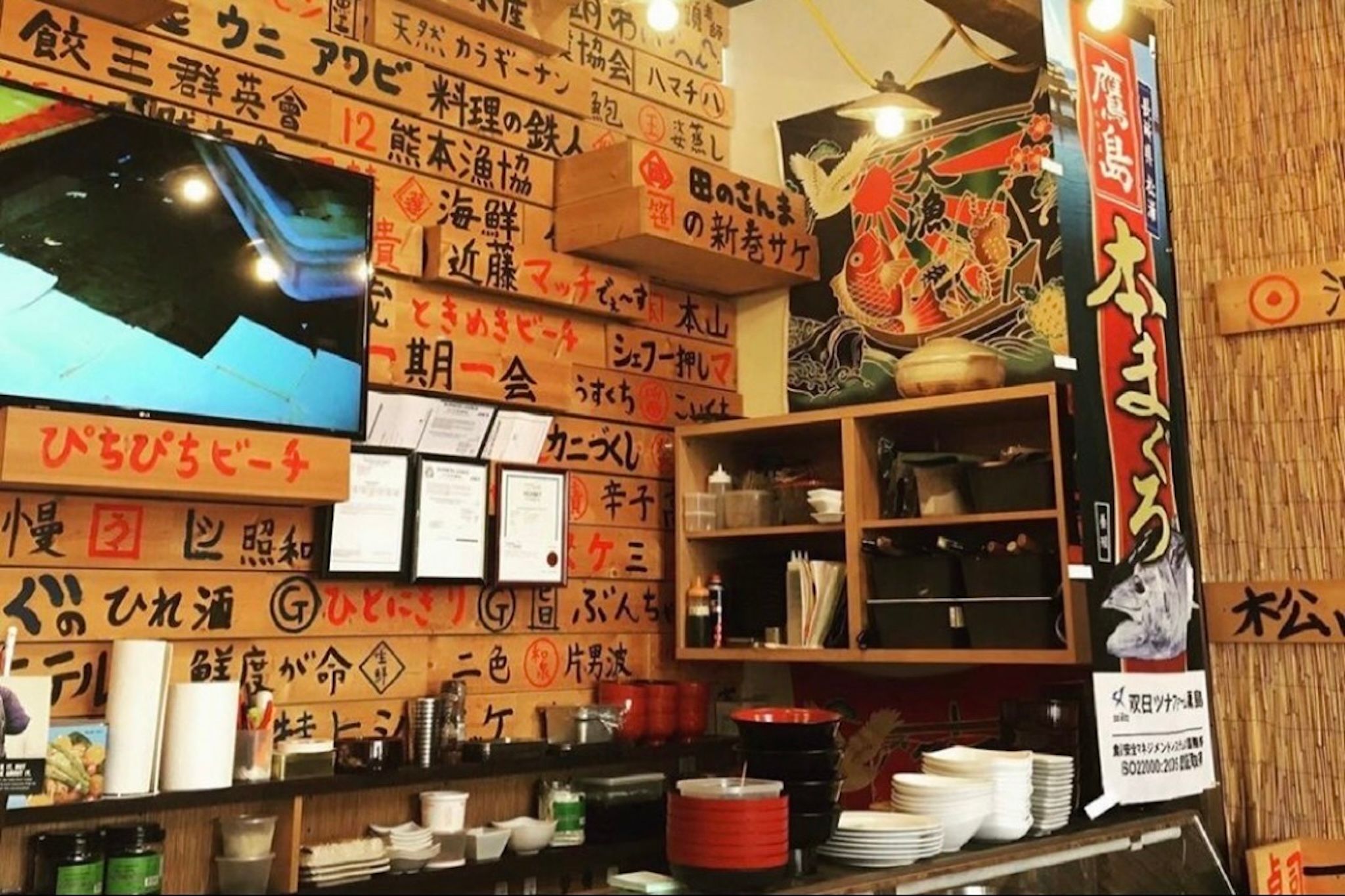
A fluorescent-lit parking corridor in Richmond does not announce itself as a cultural archive. At Continental Shopping Centre, storefronts sit tightly arranged along shared concrete paths, where patrons step past Kam Tou Seafood Restaurant and Yuu Japanese Tapas to find bowls of broth and rice. For seventeen years, that routine drew diners to Gyo-O, whose name translates from Japanese as fish king. They gathered there for seafood and tempura donburi, steaming ramen, chilled udon, and small evening plates. When the establishment announced its closure on an Instagram post on a Thursday evening, offering gratitude to patrons who sustained it over nearly two decades, the message arrived without ceremony.
Suburban shopping plazas across the Pacific rim have long functioned as self-contained immigrant commercial ecosystems. Rather than relying on tourist foot traffic or urban pedestrian thoroughfares, strip malls in Richmond created dense hubs of regional dining where communal life unfolded in ordinary retail bays. Gyo-O formed part of that quiet infrastructure. Its specialty was straightforward comfort: bowls piled with fried fish, noodles submerged in dashi, and casual tapas shared across utilitarian tables. Such spaces succeeded precisely because they avoided spectacle, offering reliable vernacular eating to people who treated the dining room as a standard neighborhood extension.
The unraveling plaza balance
A commercial departure like this highlights a shifting dynamic in Asian diaspora enclaves. Strip malls were designed to aggregate diverse culinary traditions within a single perimeter, allowing Cantonese banquet dining to operate directly adjacent to Japanese noodle counters. Yet longevity brings its own operational pressures. Sustaining seventeen years of service in an evolving retail landscape demands balancing kitchen continuity against climbing lease terms and fluctuating patron routines.
Some might argue that seventeen years represents an entirely natural business lifespan, especially in restaurant markets defined by frequent operator turnover and shifting consumer fancies. Fresh concepts will eventually take over vacant square footage in Continental Shopping Centre, and diner interest inevitably moves toward newer storefronts. That interpretation treats restaurants merely as replaceable units of square footage, missing how independent establishments anchor communal rhythms over generational timelines.
Fading physical continuity
When longstanding operators depart, the loss extends beyond familiar menus of cold udon and tempura donburi. The departure dismantles the informal familiarity that binds suburban enclaves across the Pacific basin, where culinary lineage is preserved in commercial strips rather than state institutions. Even as newer kitchens replace older tenants, the continuity of collective neighborhood memory fractures slightly with each transition.
Behind the brief digital farewell sits an unresolved reality for diaspora communities on both shores of the Pacific. Suburban dining clusters built their reputations on durable everyday patronage, but sustaining that foundation across decades requires more than digital loyalty from departing customers. Outside Continental Shopping Centre, the retail bays will remain lit, yet the particular rhythm cultivated over seventeen years at Gyo-O departs with its final service, leaving the strip mall altered in ways that balance sheets rarely register.
Sources
Newsletter
Pacific Daily
A curated briefing from Thailand, Asia-Pacific and the world.