The Commercial Mall Can No Longer Preserve Heritage Kitchens
Kokoyo Nyonya Delights illustrates how internal retail cannibalisation undermines specialised dining formats
SINGAPORE
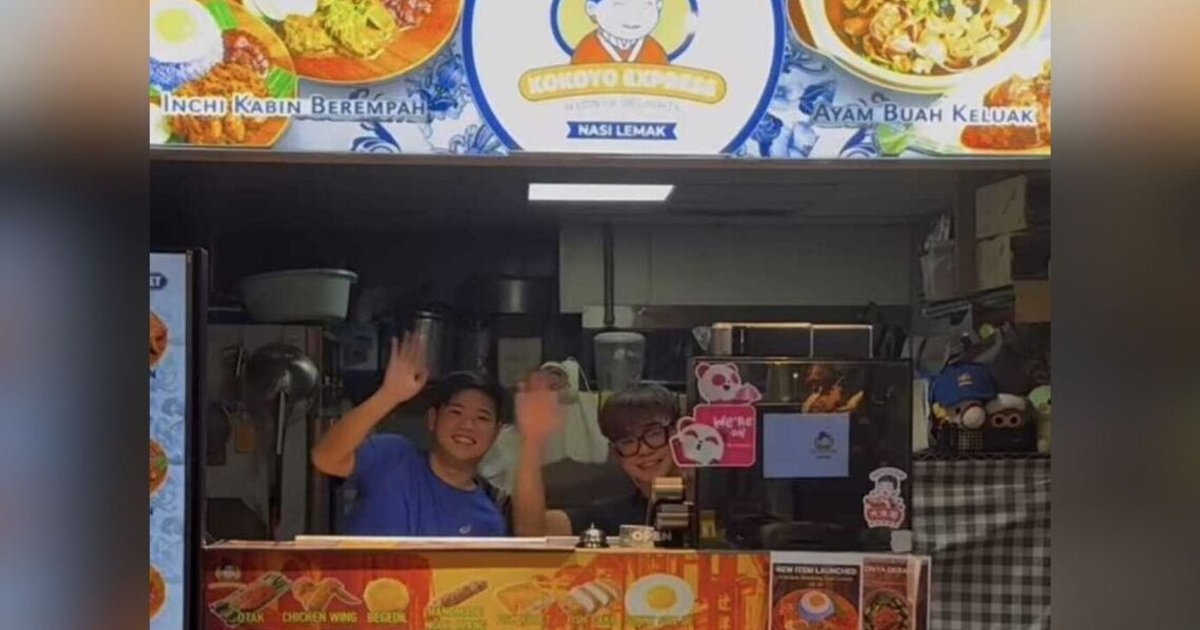
Suburban shopping centers thrive on density. Yet that deliberate saturation routinely drains the specialized dining concepts invited to occupy upper floors. When Kokoyo Nyonya Delights announced it would close on Nov 2, the Peranakan eatery exposed an operational dilemma that commercial landlords rarely address in public statements. Brothers Ernest and Irwin Ang launched the brand in August 2024 in Serangoon Central, subsequently moving twice before taking a stall in Hougang Mall. Their departure after almost a year in that fourth-floor food court reveals how fragile specialized kitchens become when tenant strategy cannibalizes foot traffic.
The co-founders explained their decision in an Oct 21 Instagram video. They did not cite culinary defects or waning diner interest. Instead, the Ang brothers identified Hougang Mall's changing tenant mix as the primary problem, explaining that an influx of additional food outlets had progressively siphoned patrons away from upper levels. Singapore has recorded a steady run of recent food and beverage closures, but this departure illustrates an architectural vulnerability rather than simple balance-sheet stress.
The Mechanics of Floorplan Cannibalisation
Commercial property managers often view dining establishments as uniform utility providers. By layering quick concessions across lower transit concourses, developers capture commuter money at ground level. Footfall dissipates immediately. A visitor entering a retail concourse rarely climbs four stories for lunch when half a dozen faster choices crowd the entrance escalator. For an operation producing labor-intensive Peranakan dishes, which depend heavily on intentional destination diners rather than casual convenience grazing, this vertical competition creates an unsustainable squeeze.
Market purists frequently argue that culinary survival is democratic. If consumers opt for ground-floor options, the argument goes, an upper-tier stall simply failed to demonstrate superior appeal. That interpretation ignores how thoroughly physical retail layout dictates consumer behavior. Spatial placement alters commercial outcomes before food quality ever enters the equation.
Suburban Pressures and Cultural Attrition
Moving three times within roughly two years reflects an exhausting search for stable ground. Heritage recipes demand long preparation hours, consistent ingredient handling, and a predictable neighborhood clientele. When small enterprises spend their working capital surviving repeated relocations, operational resilience evaporates.
Commercial landlords secure full occupancy by leasing surplus floorplates to identical food vendors, yet they diminish the total circulation required to sustain deliberate, craft-dependent dining. Kokoyo illustrates the structural ceiling confronting independent food traditions across modern residential developments. Upper floors empty while transit levels choke with rapid-turnover snacks. Suburban commerce continues to extract immediate rent from high vendor counts, leaving traditional cooking formats stranded where few casual patrons ever walk.
Sources
Newsletter
Pacific Daily
A curated briefing from Thailand, Asia-Pacific and the world.