A Performer’s Silence: The Echoes from a Removed US Tour Leg
When a stage voice is curtailed, the ripples reach beyond concert halls.
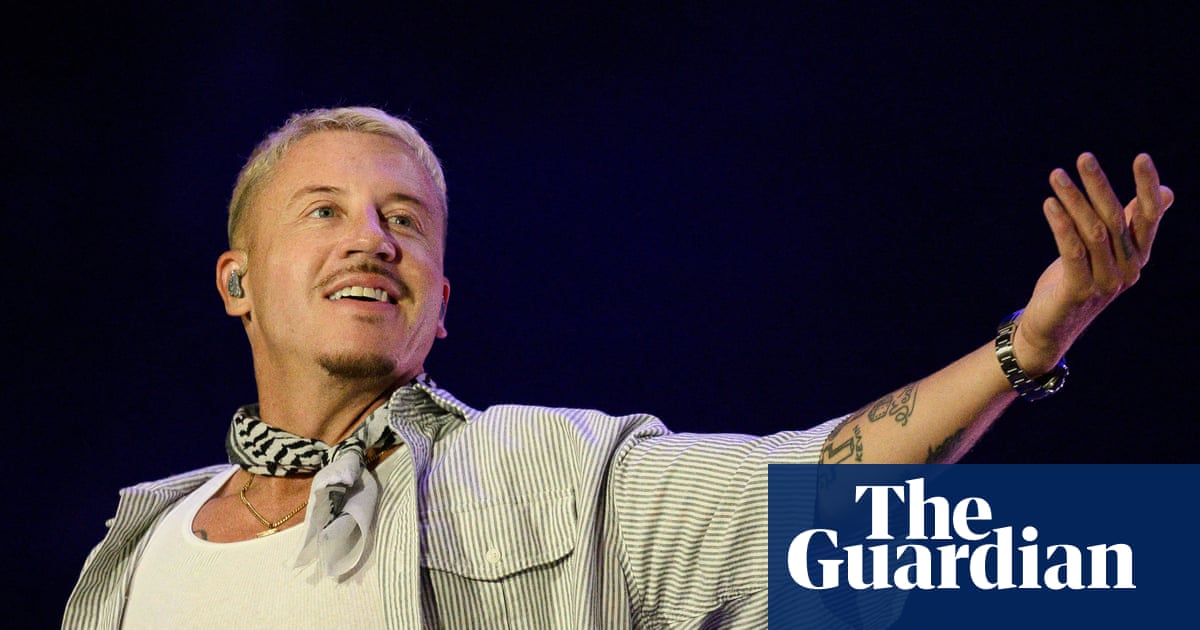
A specific moment at MetLife Stadium in New Jersey saw a public declaration. The American rapper Macklemore stated his support for the people of Gaza and “the occupied West Bank,” wishing for them to know they were not forgotten. This statement, delivered between songs, prompted a petition from the Israeli American Council calling for his removal. Subsequently, Macklemore was dropped from the remainder of the US leg of Ed Sheeran’s Loop tour.
This sequence of events highlights a dynamic where artistic expression, when perceived as political, can intersect with commercial arrangements. A performer’s engagement with a global issue resulted in a direct, punitive consequence for their tour schedule. It is a demonstrable example of how celebrity platforms, intended for performance, are also sites for expressing viewpoints that can carry commercial risk. The initial platform for the statement was a concert venue, a space traditionally understood for musical entertainment.
Yet, this particular instance offers a point of reflection beyond the immediate impact on a tour. When a performer's public stance leads to their removal from a significant touring engagement, it suggests a tightening of acceptable narratives within large-scale commercial entertainment. The financial implications for the artist, and potentially for the wider touring ecosystem, are evident. The incident becomes a signal not just for musicians, but for others in public-facing roles who might consider leveraging their platforms for causes that are politically charged.
The question of who benefits and who pays becomes central. The tour promoter or lead artist, by removing the supporting act, avoids potential further controversy and maintains the commercial viability of the tour. The supporting artist, Macklemore, pays by losing a performance opportunity and associated revenue. Those who supported his message may feel validated in their views but disenfranchised by the commercial response. Conversely, those who opposed his message may view the removal as an appropriate consequence for what they considered an inappropriate use of the stage. The decision demonstrates the considerable power held by tour organizers and lead acts in shaping the public discourse, even if by omission.
For the Asia-Pacific region, where cultural exchanges often involve international artists, such events hold relevance. The dynamics observed in the US — the relationship between public statements, commercial interests, and audience reception — are not contained by geographical borders. As artists from across the globe continue to tour and engage with diverse audiences, the precedent set by Macklemore’s removal could influence how cultural figures approach politically sensitive topics. It points to a broader trend: the increasing scrutiny placed on celebrity speech, and the immediate, often commercially driven, reactions to it. The silence that follows a removed performance, in some ways, speaks volumes about the perceived boundaries of public expression in entertainment.
Sources
Newsletter
Pacific Daily
A curated briefing from Thailand, Asia-Pacific and the world.