The Southwark Courtroom and the Delayed Reckoning of Broadcast Celebrity
The trial of Russell Brand reveals how institutional machinery insulated celebrity behaviour across decades
SINGAPORE
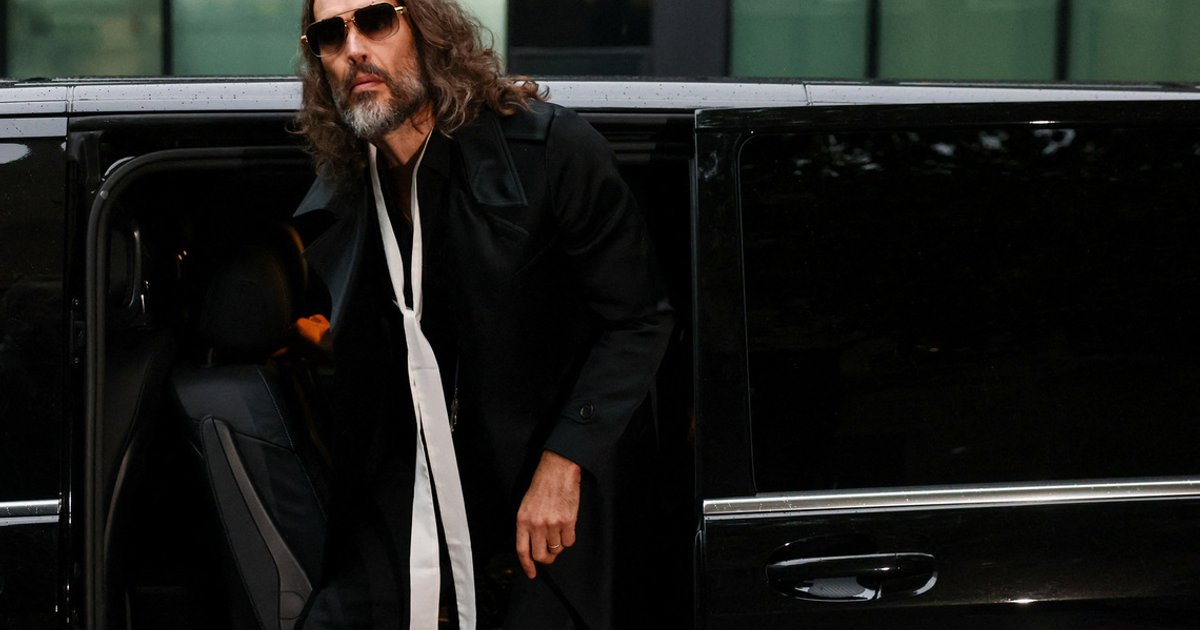
Pavement outside Southwark Crown Court in London offered little shelter from the autumn damp on Oct 20 as Russell Brand walked inside to answer seven criminal charges. Flashbulbs met the broadcaster and comedian, recording a familiar public face against institutional stone. The arrival marked an abrupt departure from years of curated digital distribution, drawing an individual once celebrated across commercial television into the formal choreography of English criminal procedure.
Inside the courtroom, jurors listened to an audio recording made during a police interview with an accuser. Her account detailed arriving at his residence for consensual sexual intimacy, only to experience an alleged anal rape as her pleas for him to stop were ignored. That testimony forms part of an indictment spanning six women between 1999 and 2009. Brand, a 51-year-old performer and the former husband of US singer Katy Perry, denies the three counts of rape, three counts of sexual assault, and one count of indecent assault.
Institutional Silence
Public consumption of popular entertainment between 1999 and 2009 drew heavily on transgressive masculine spectacle. Production companies and television channels operating within the United Kingdom and the United States frequently elevated chaotic irreverence, treating volatile behaviour as an asset for prime-time schedules and global syndication. That commercial logic created an informal protective perimeter around prominent talent. Behind the stage lights, working boundaries dissolved while corporate leadership treated erratic conduct as an eccentricity rather than an operational liability.
Brand is accused of sexual offences against six women between 1999 and 2009.
The criminal court operates under entirely different spatial and procedural rules. Cross-examination dismantles the rhetorical flourishes that previously dominated theatre auditoriums, television studios, and promotional tours. Stripped of studio lighting and production crews, the proceedings reduce years of public celebrity to a forensic test of testimony, memory, and physical boundaries within private rooms. Legal procedure demands exact accounts of what transpired behind closed doors, indifferent to the personal magnetism that television executives once monetised.
Shifting Accountability
Defence counsel inevitably highlights the inherent frailty of human recollection across a span of more than two decades. Historic allegations present authentic evidential hurdles, requiring juries to weigh verbal recollection in the absence of contemporaneous physical forensics. Strict evidentiary standards exist precisely to protect the presumption of innocence for any accused citizen facing life-altering legal penalties. Brand maintains his innocence, and the justice system must test every claim without prejudice.
Yet the accumulation of six accusers testifying to conduct during that identical ten-year window points toward a broader systemic failure. For an entire generation, mass media corporations extracted extraordinary financial returns from unruly personal brands while outsourcing the personal distress to private individuals who lacked institutional backing. Redress arrived only when changing civic standards and legal actions penetrated the protective shell surrounding broadcast personalities.
Viewing audiences across the world absorbed these personality-driven programs without insight into the workplaces that produced them. What unfolds inside Southwark Crown Court now forces a wholesale re-evaluation of how fame operates when stripped of industrial protection. By subjecting historical conduct to rigid judicial standards, London demonstrates that legal architecture eventually outlasts the calculated charm of broadcast spectacles.
Sources
Newsletter
Pacific Daily
A curated briefing from Thailand, Asia-Pacific and the world.