Advance Ticketing Turns Cultural Heritage Into a Forward Financial Commitment
Online queues for the Bayeux Tapestry show how cultural institutions lock down consumer leisure budgets months before departure
SINGAPORE
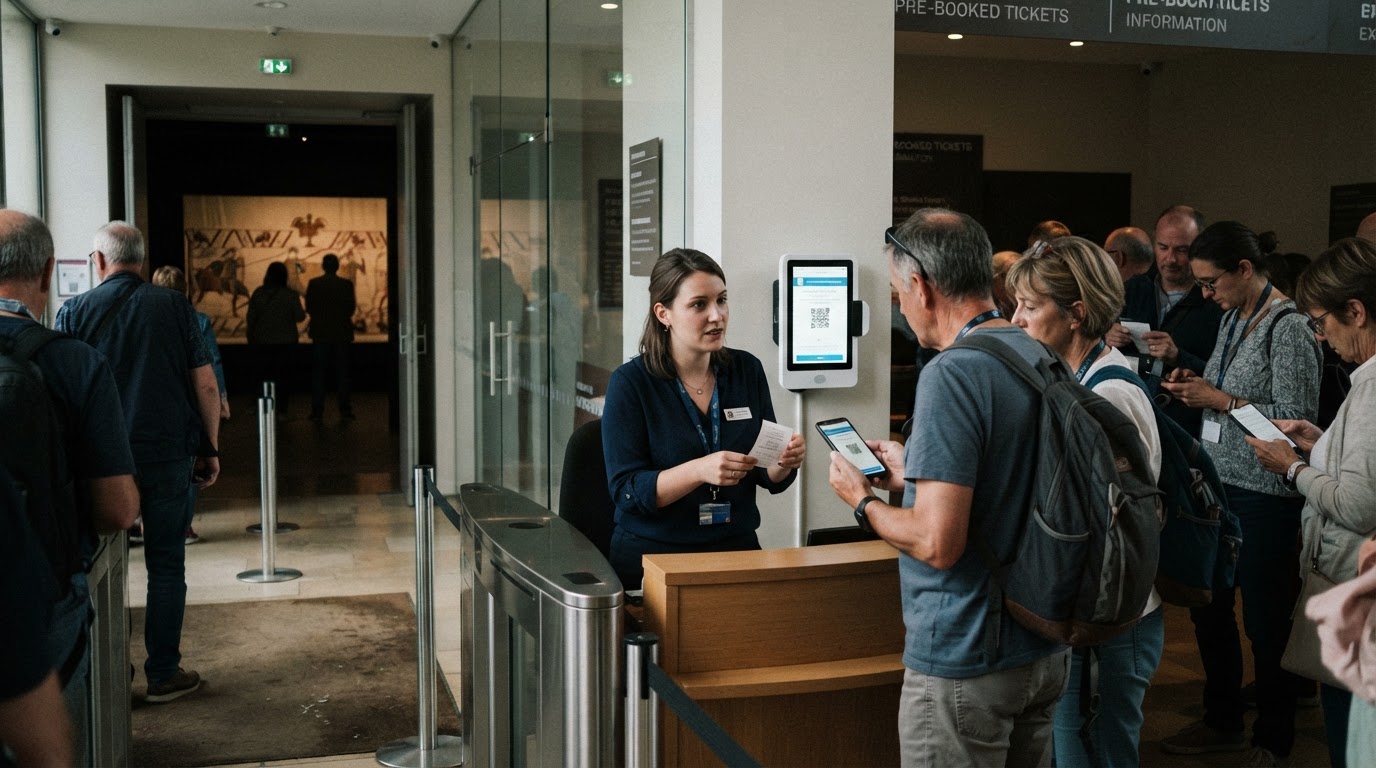
Securing an exhibition slot for 2027 requires immediate cash long before the travel date arrives. When the British Museum opened its second batch of entry passes on Wednesday for viewings between Jan 1 and March 31, 2027, thousands of prospective visitors waited in a digital line to spend USD 44 per head. Months earlier, approximately 80,000 users joined a digital queue during the first release, generating USD 3,300,000 in revenue in a single day. The frenzy surrounds an embroidery illustrating the 1066 Norman invasion of England, sent on loan across the Channel from France until July 11, 2027.
Commitments of this nature represent a notable transformation in discretionary household spending. For overseas visitors organising flights from long-haul departures like Bangkok, cultural events increasingly demand cash outlays before flights or hotels can be secured. Leisure spending historically followed travel logistics, with museum visits paid at the door from remaining trip funds. Under the current allocation model, households must commit fixed funds to entry slots, shifting financial uncertainty directly onto the spectator.
Institutional planners argue that strict digital ticketing provides order and essential preservation control. The mediaeval textile requires controlled room densities to protect fragile fibres, making unmanaged foot traffic impossible. Advance bookings also provide cultural venues with guaranteed working capital and predictable crowd distributions across extended exhibition runs. Without timed tranches, visitors crossing oceans could face physical queues stretching down London avenues with no guarantee of seeing the historic loan.
Shifting financial certainty to the consumer
Yet this arrangement forces ordinary consumers to absorb scheduling friction. Locking up capital two quarters or even an entire calendar year in advance ties down discretionary savings that might otherwise cushion personal emergencies. Travel conditions change, inflation erodes disposable earnings, and airline schedules alter, yet non-refundable event allocations generally offer minimal recourse.
Advance ticketing guarantees museum operating cash while transferring calendar instability entirely onto ordinary ticket buyers.
Beyond basic ticket costs, committing to an early slot locks families into peak-season travel schedules. When an individual purchases access for February 2027, every surrounding cost—from ground transit to short-term lodging—becomes anchored to a non-negotiable hour on a museum calendar. Hospitality operators understand this dependence and adjust accommodation rates around major exhibitions, draining household wallets far beyond the initial USD 44 charge.
The retail logic of timed scarcity
Staging ticket releases in separated phases mirrors the retail choreography typically seen in limited consumer electronics or concert tours. By dividing availability into successive allocations and warning that a final sale arrives early next year, institutions create acute purchase urgency. That pressure overrides normal budgeting deliberation. Families purchase passes simply because the opportunity might disappear, deferring calculations about overall trip affordability until later.
Whether this advance-sales model remains sustainable for working households will depend on how volatile household budgets behave across the coming year. When living costs tighten, families will inevitably weigh whether locking away entertainment funds months ahead makes sensible economic sense. For now, major institutions have discovered that scarcity pricing and staggered online waiting rooms can turn ancient history into reliable upfront liquidity.
Sources
Newsletter
Pacific Daily
A curated briefing from Thailand, Asia-Pacific and the world.