The economic ripple of a cultural passing in Asia-Pacific
Yayoi Kusama's death, at 97, marks the end of a prolific career, but its impact on regional tourism and art markets might be less direct than expected.
SINGAPORE
The Bangkok Post Life reported on August 27, 2026, the death of Yayoi Kusama at 97. The report noted her as one of the world’s most notable avant-garde artists. This event prompts consideration of how such a passing might influence economic patterns, particularly in the Asia-Pacific region, where her work has often been showcased.
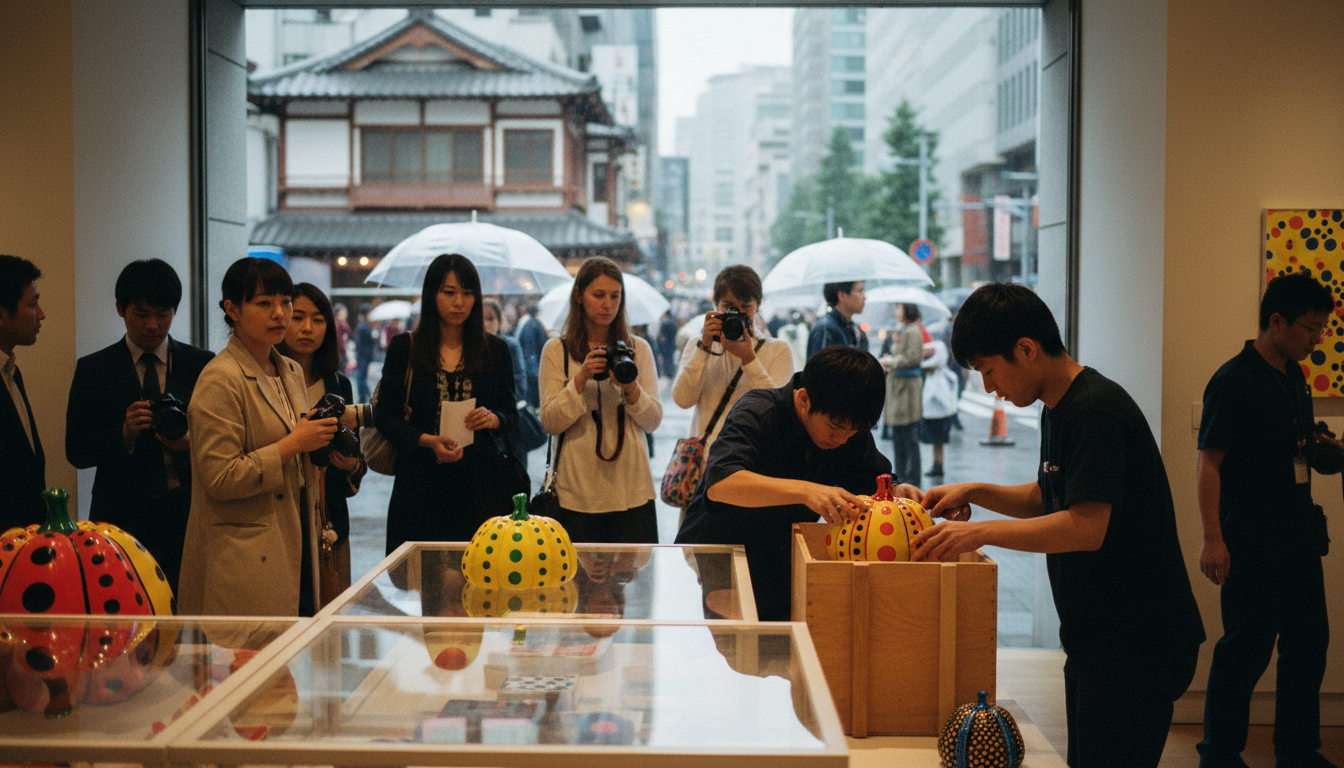
Kusama's exhibitions, often immersive, have drawn significant crowds. Her art has previously been a draw for international visitors to host cities, contributing to local economies through hotel stays, dining, and retail purchases. This pattern suggests that her continued artistic presence, even posthumously, could sustain some level of economic activity. The Diplomat – Asia-Pacific and The Japan Times have both previously referenced the concept of 'remembering' figures and events, implying a sustained engagement with their legacy. The New York Times, in 2026, also detailed how China remembers former premier Zhu Rongji, suggesting a public memory with lasting implications.
However, the economic effects of an artist's death are not always linear or immediately discernible. While retrospective exhibitions might see initial surges in attendance, the long-term impact on direct tourism revenue tied specifically to new Kusama installations is an open question. Art institutions may shift focus to emerging artists or other established figures, potentially diluting the concentration of economic benefit. The market for her existing works is likely to see changes, but these financial movements primarily benefit collectors and galleries, not necessarily the broader economy in the same way as a touring exhibition would. The BBC, in 2015, noted a service remembering Jonah Lomu, indicating that remembrance can take many forms beyond direct economic transactions. Another BBC report from 2009 recalled Tiananmen, an event whose economic consequences are still debated.
The initial surge in interest following Kusama's death will likely manifest in higher demand for retrospective exhibitions. This could provide a short-to-medium term boost for museums and galleries in the region that hold her works, impacting their operational budgets and potentially local foot traffic. However, sustained economic contribution to the region from new, large-scale immersive installations will depend on how vigorously her estate and partner institutions continue to develop and tour her body of work. For the individual consumer on a monthly budget, the shift might mean more opportunities to experience her art in established collections rather than incurring travel costs for new, temporary shows. The long-term economic narrative for Asia-Pacific economies, post-Kusama, will be shaped by curation choices, not by the event of her passing alone.
Sources
Newsletter
Pacific Daily
A curated briefing from Thailand, Asia-Pacific and the world.